Protecting Our Plant Relatives at Nbisiing: Teachings from Gookmis Glenna Beaucage
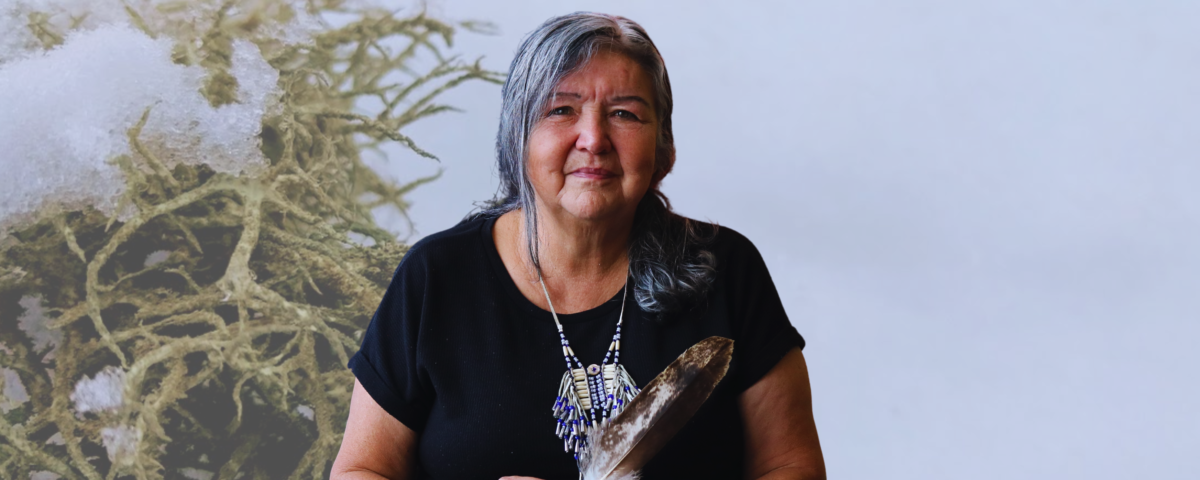
AEI students had the opportunity today to learn from Gookmis Glenna Beaucage, who shared important teachings about our plant relatives, the responsibilities we hold, and the urgent need to protect the beings who have always cared for us. She shared information on the local plants of Nbisiing (Nipissing), what currently threatens them and what we can do to help.
The workshop began in a good way thanking the Creator for the breath of life, for the plants and animals who sustain us, and offering sema (tobacco) in the four directions to ask for strength of heart. From there, Glenna guided students through an eye-opening conversation about the relationships we hold with plant life and how those relationships must be rooted in respect.
Plants as Relatives, Not Resources
Glenna reminded us that the word resources creates emotional distance. It can make us forget the spirit of the beings we rely on for food, medicine, fibres, and dyes. Reframing plants as relatives helps us remember that our connection to them is a reciprocal one.
Learning from plants takes many years. Some medicines, like juniper berries, can help the kidneys, but the wrong type, can cause harm. Traditional knowledge is layered, careful, and built over generations. She reminded students to always ensure they know what they are harvesting.
Threats to Our Plant Relatives
Many of the plants we have relied on since time immemorial are at risk. Glenna highlighted several local species facing challenges from habitat loss, invasive species, pollution, and climate change.
At-Risk Native Plants
- Black Ash – threatened by an invasive beetle from Asia called the Emerald Ash Borer; vital for basket-making and traditional medicine. The inner bark, leaves, and roots are traditionally brewed into infusions or teas to treat ailments like earaches, sore eyes, skin infections, and as a diuretic or tonic for liver and stomach issues.
- Milkweed – essential for monarch butterflies to lay their larvae; monarch populations cannot thrive without it.
- Goldenrod – declining in some regions and essential for late-season pollinators.
- Wild Strawberries – once abundant, now increasingly scarce on the landscape.
- Elm Trees – suffering from Dutch Elm disease, a devastating fungal infection.
- Blue Gentian – a traditional medicine used for treating yeast infections; now at risk.
Invasive Plants to Watch
- Purple Loosestrife – produces up to 2.7 million seeds per plant each year and crowds out native species.
- Giant Hogweed – causes painful burns and blisters; easily confused with harmless cow parsnip.
These species disrupt the balance of the land and make it harder for our native relatives to grow and reproduce.
“Now They Have to Protect Themselves From Us”
Gookmis invited students to reflect on the Creation Story and the original roles of the plants: given to us to help us survive. But today, because of human activity, plants must now protect themselves from us.
She asked an important question:
What can we do to honour our responsibilities and restore balance?
Steps We Can Take to Protect Plant Relatives
Respectful Harvesting Protocols
- Don’t harvest everything from one site
- Leave enough for the plant to continue growing and reproducing
- Offer sema (tobacco)
- Spread seeds
- Plant Native Species
- Continue educating ourselves and each other
Garden & Lawn Alternatives
Creating plant-friendly, pollinator-safe spaces can make a big difference:
- Wild lawns
- Clover lawns
- Native species gardens
Natural Ways to Manage Garden Pests
Protecting plants doesn’t require harsh chemicals. Glenna shared several alternatives:
- Hand-picking pests
- Soapy water
- Bio-pesticides
- Beneficial insects like ladybugs, worms, and bees
- Companion planting (e.g., marigolds, basil, chrysanthemums)
- Neem oil
- Diatomaceous earth—an organic method to deter slugs and snails
She also shared resources for students interested in learning how to plant native species and support biodiversity at home.
Caring for the Land Means Caring for Each Other
The workshop closed with a reminder that these actions—big and small—are how we care for our relatives. When we honour plants, we honour Creation and the teachings passed down through generations.
By reconnecting with traditional knowledge and approaching the land with respect, we can help protect the beings who have always taken care of us.
Chii miigwech to Gookmis Glenna Beaucage for sharing her knowledge with us today.