Ziigwang Mshkikiikeng 2026: Getting Medicine in the Spring Through Land Based Learning
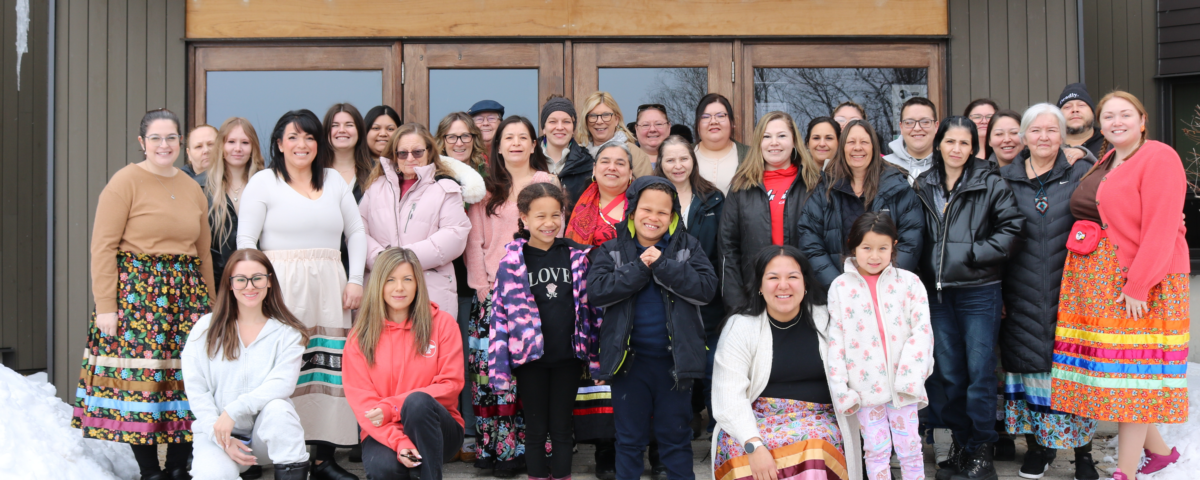
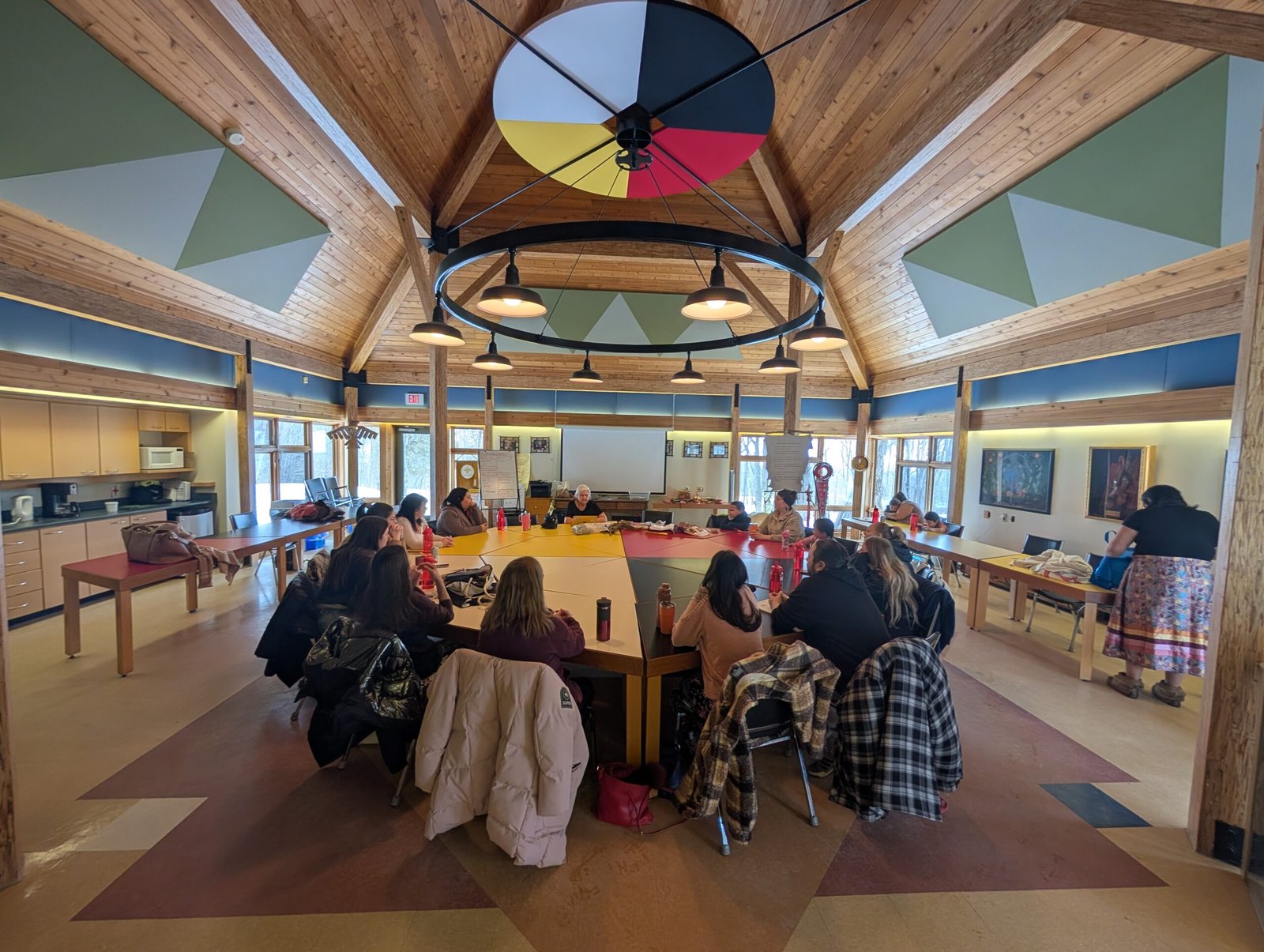
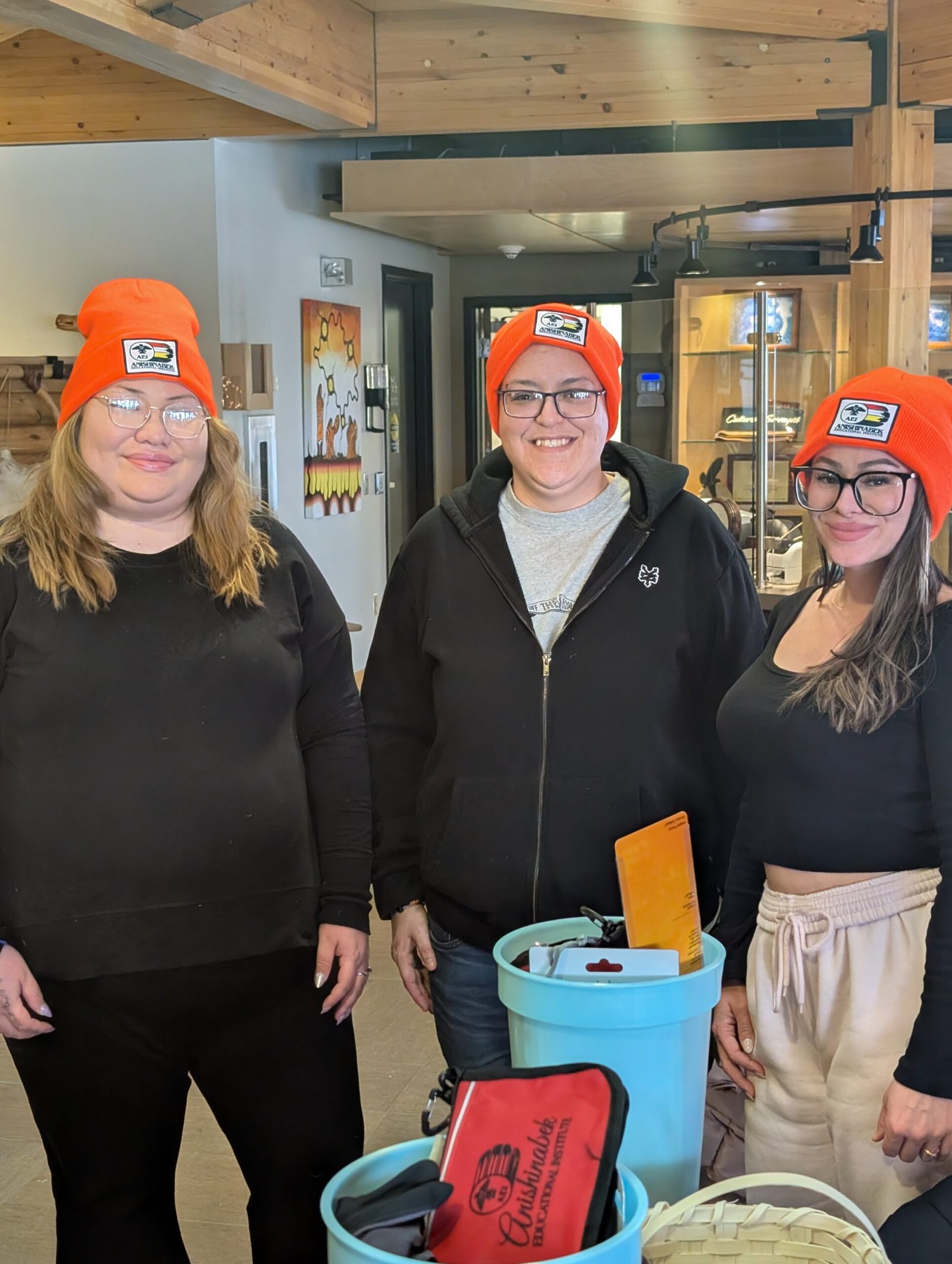
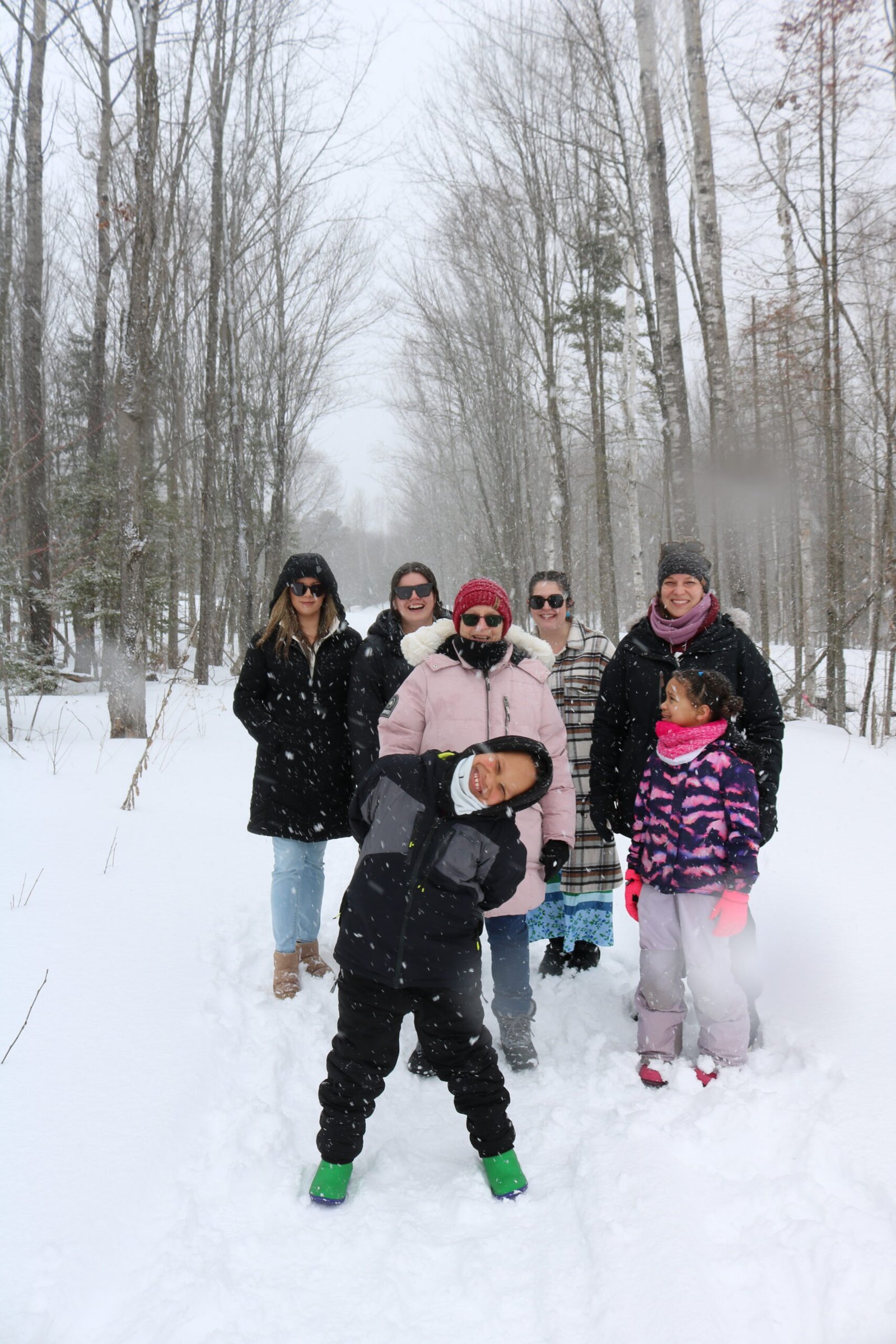
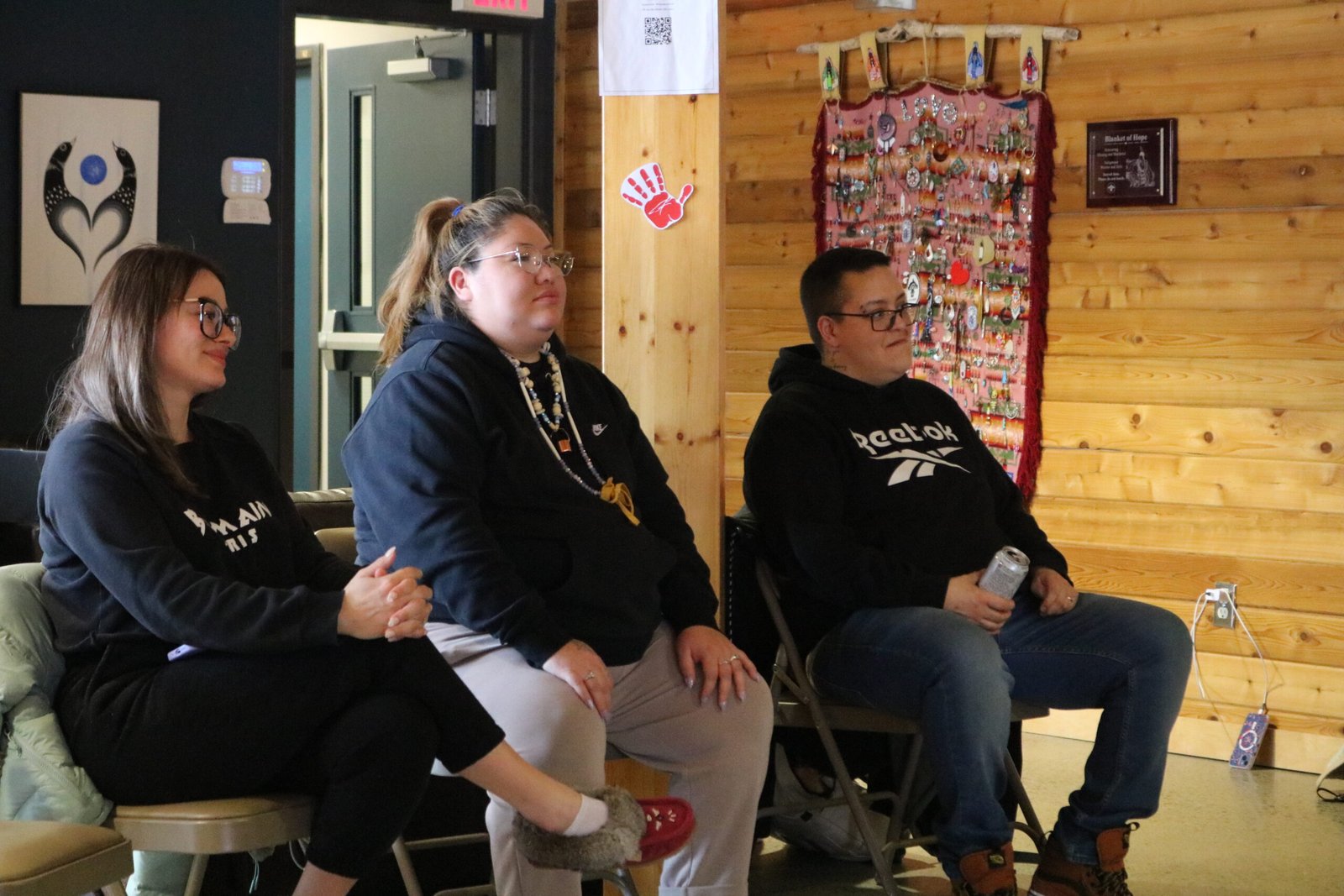
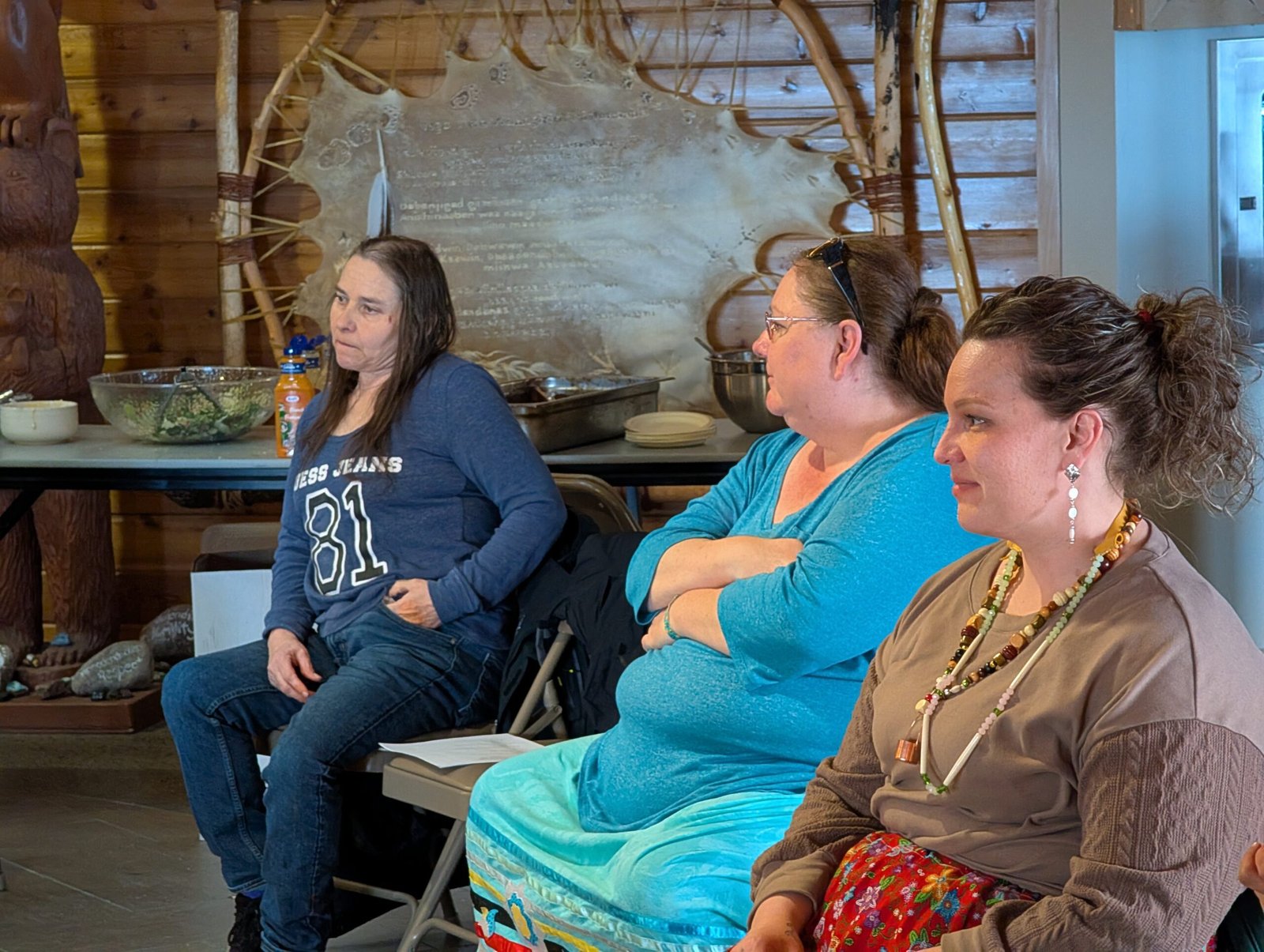
In March 2026, the Anishinabek Educational Institute (AEI) hosted its fourth annual Spring Medicine Camp, now formally named Ziigwang Mshkikiikeng in Anishinabemowin. Over three days, AEI students, instructors, grandmothers, alumni, visiting secondary school students, and staff gathered for an immersive land‑based learning experience rooted in Indigenous knowledge systems, cultural teachings, and community connection.
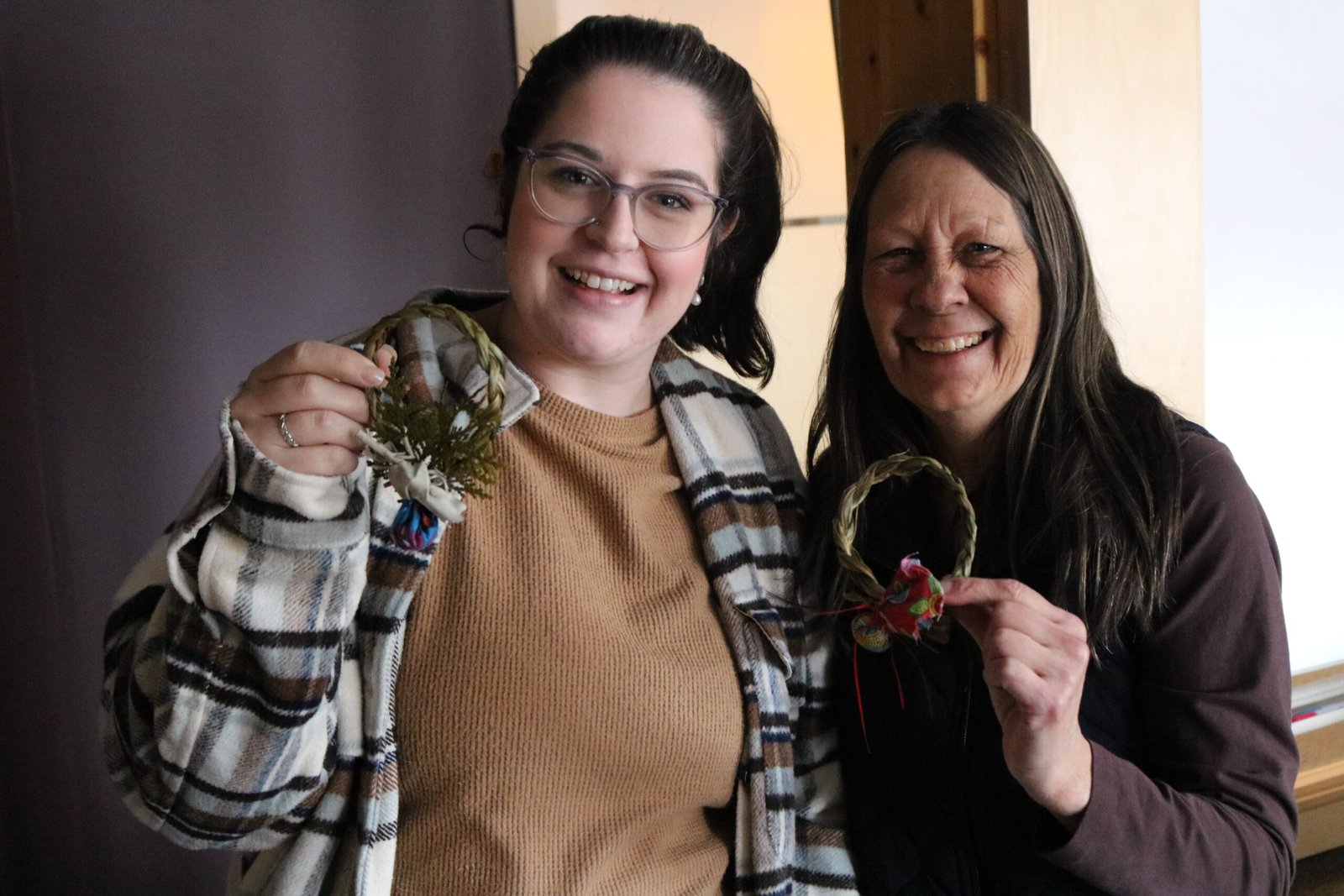
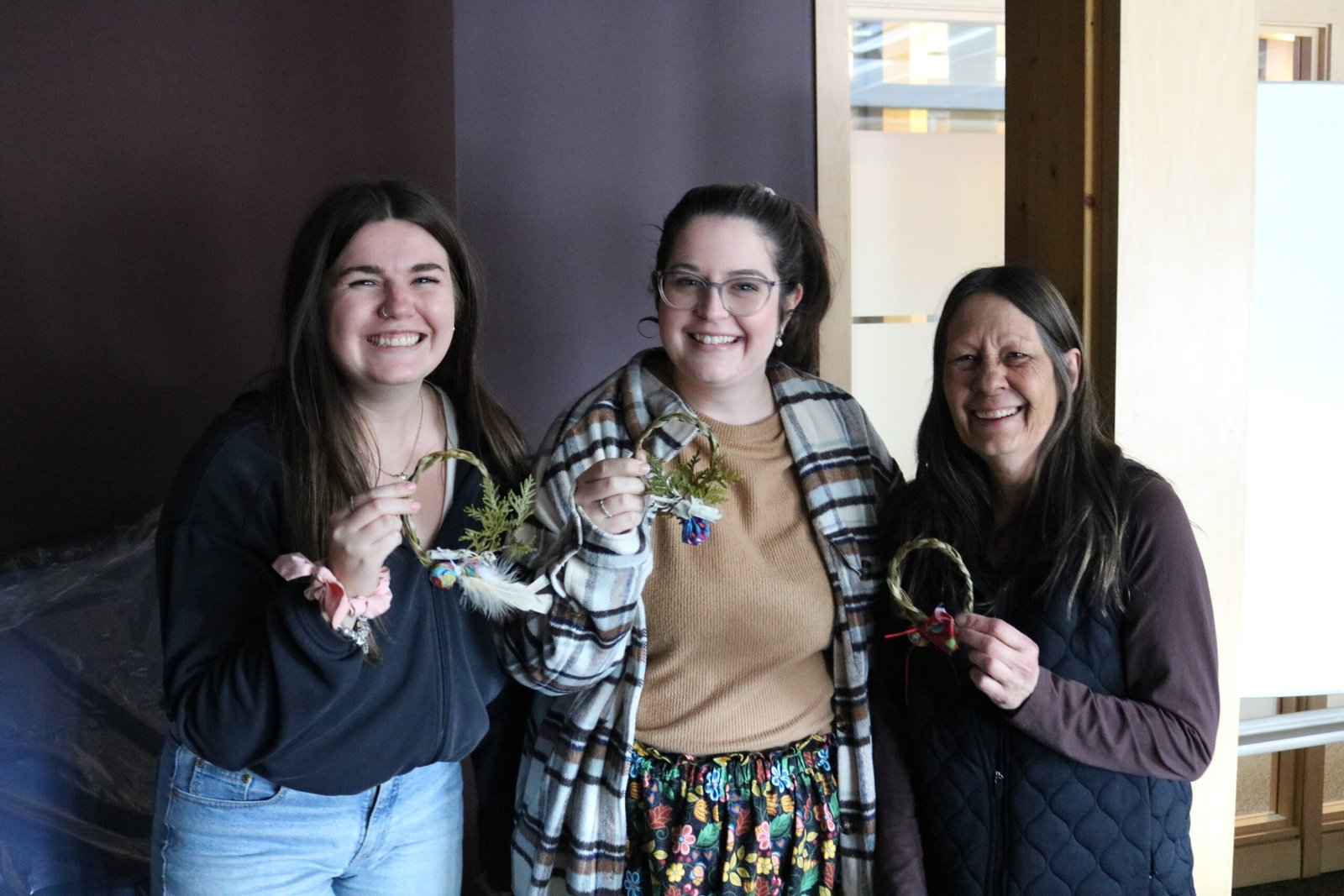
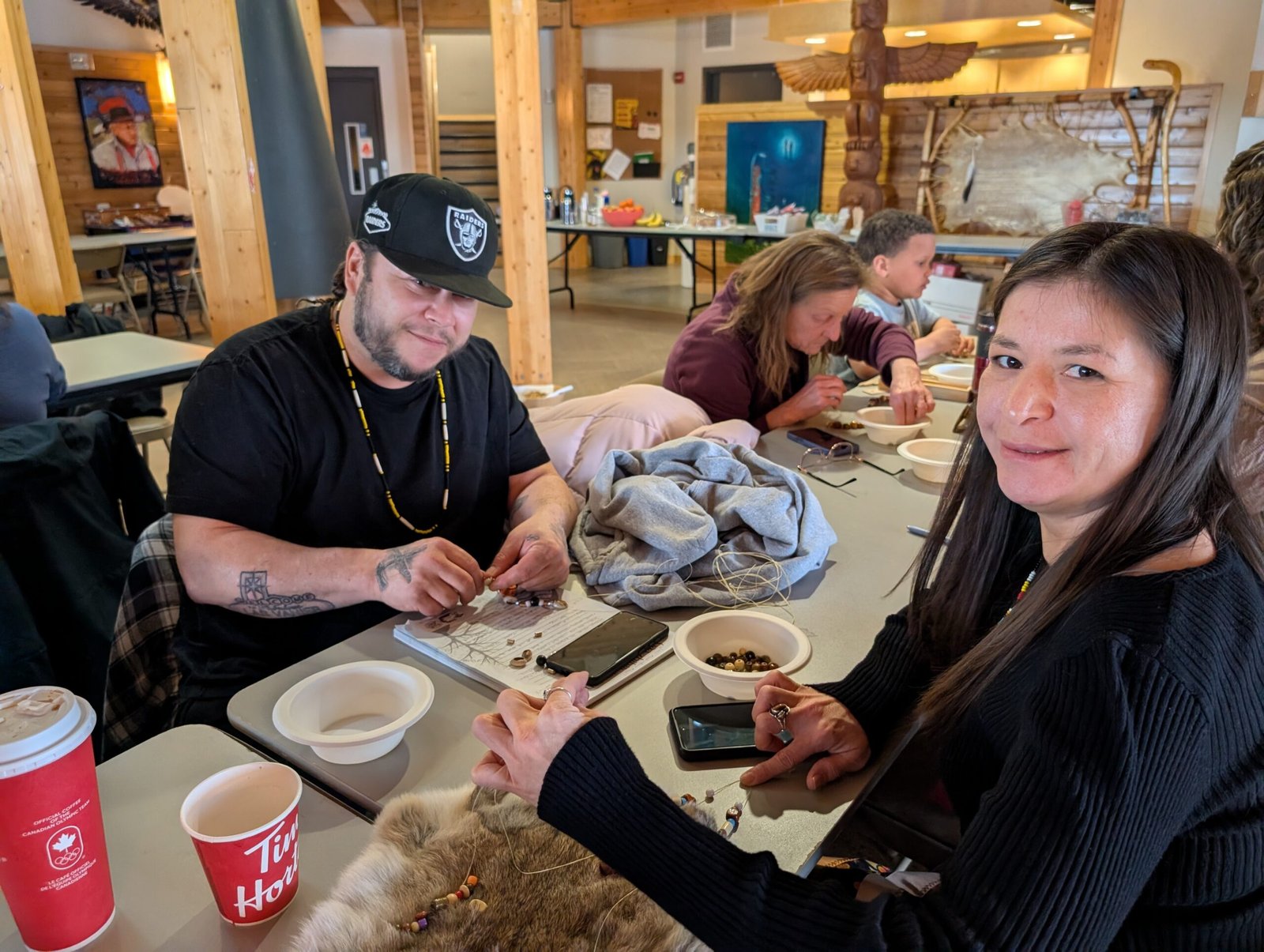
Ziigwang Mshkikiikeng brought together learners from multiple AEI programs, as well as a visiting group from Nbisiing High School, creating a shared learning environment that encouraged relationship‑building across disciplines and generations. Participants engaged in hands‑on teachings facilitated by knowledge keepers, cultural instructors, and AEI alumni, each offering skills and perspectives grounded in lived experience and cultural practice.
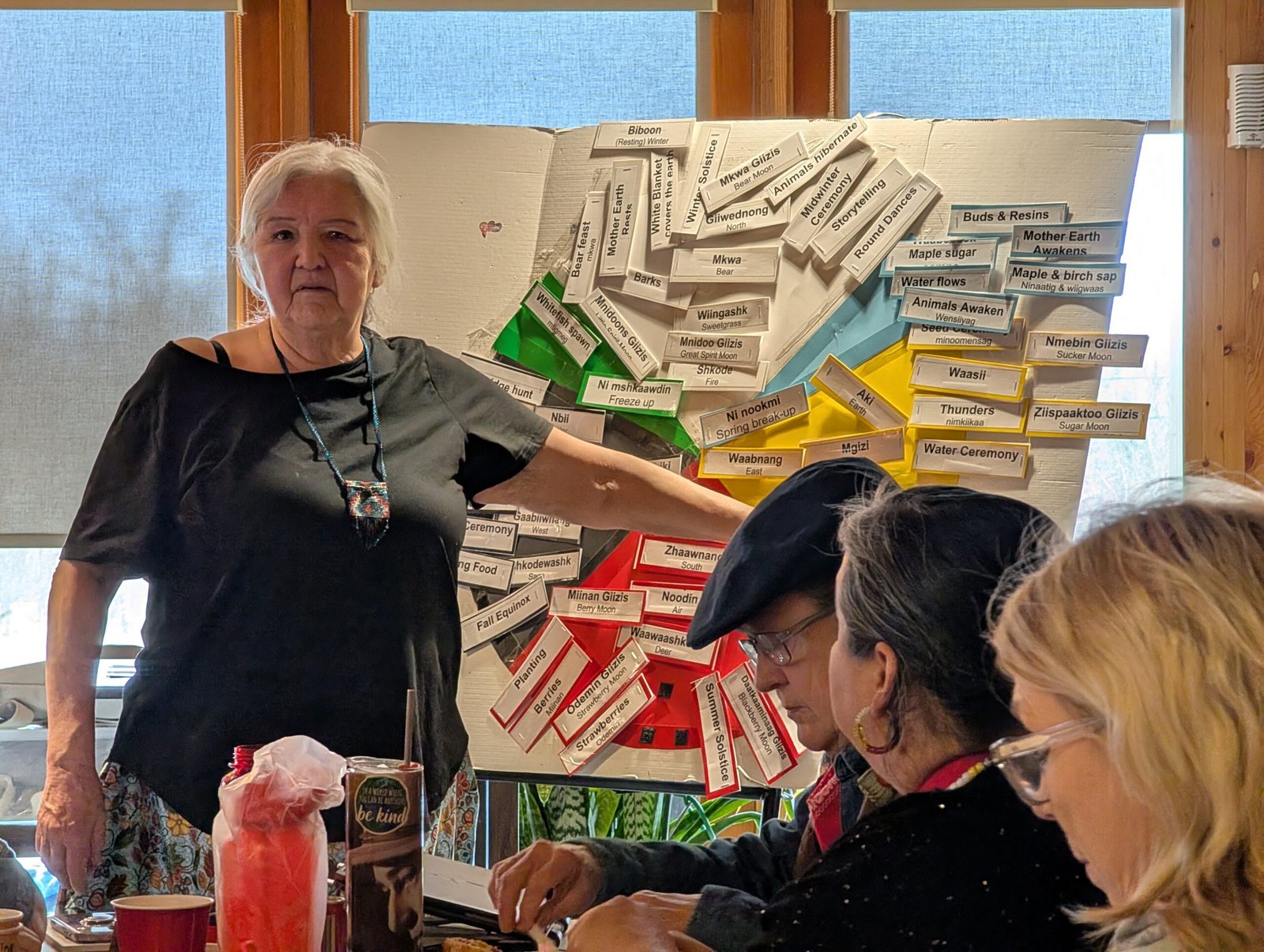
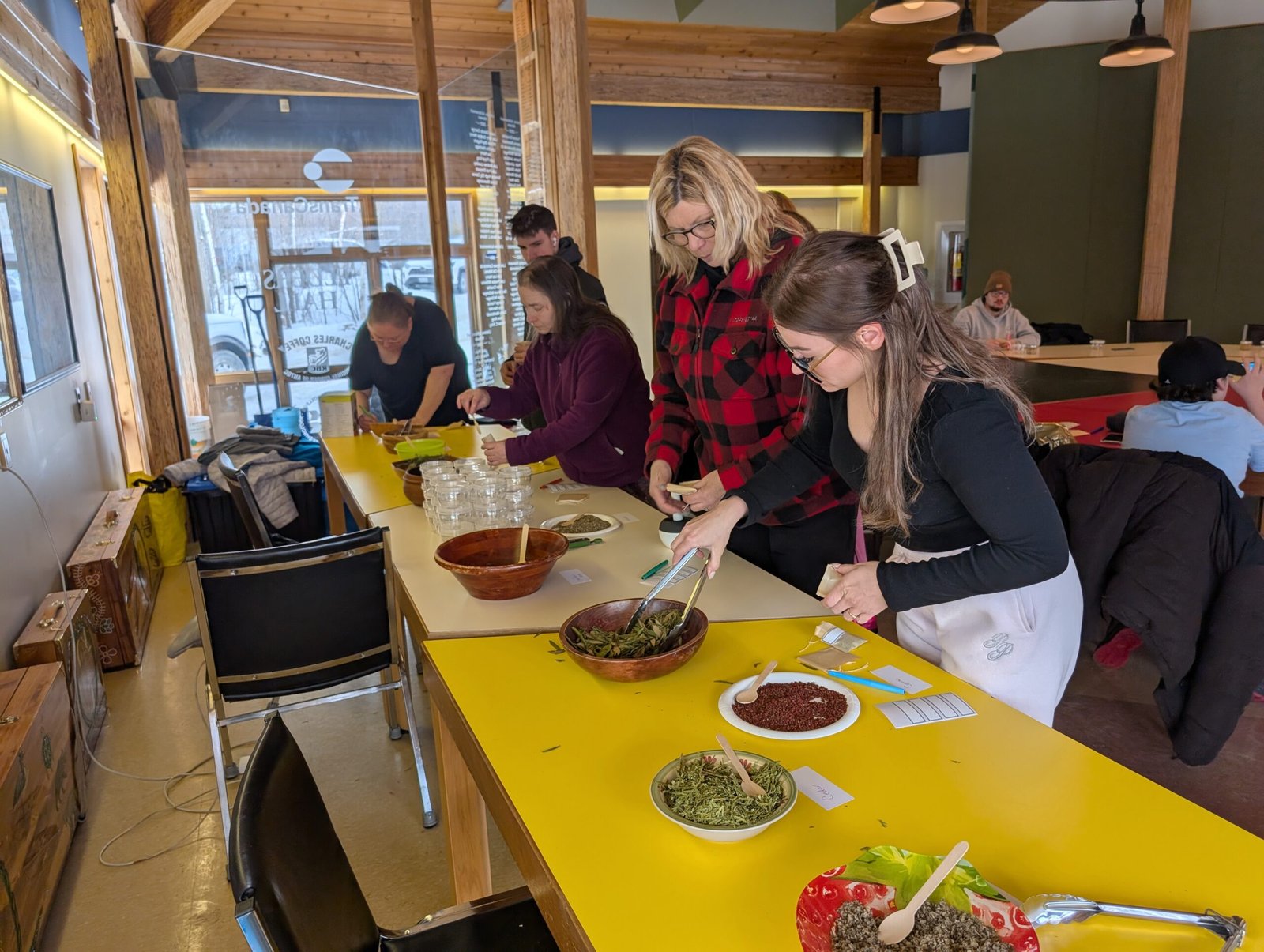
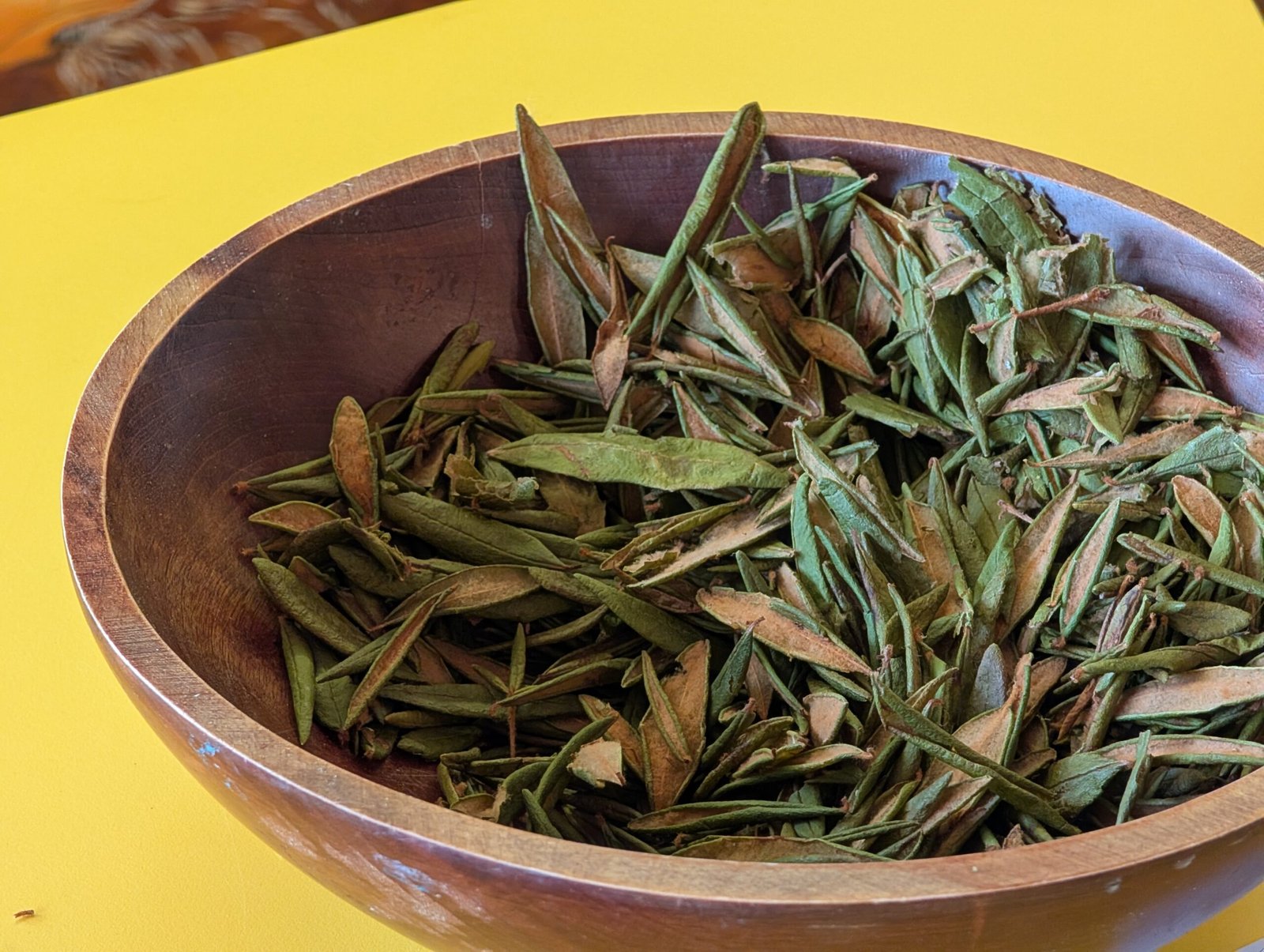
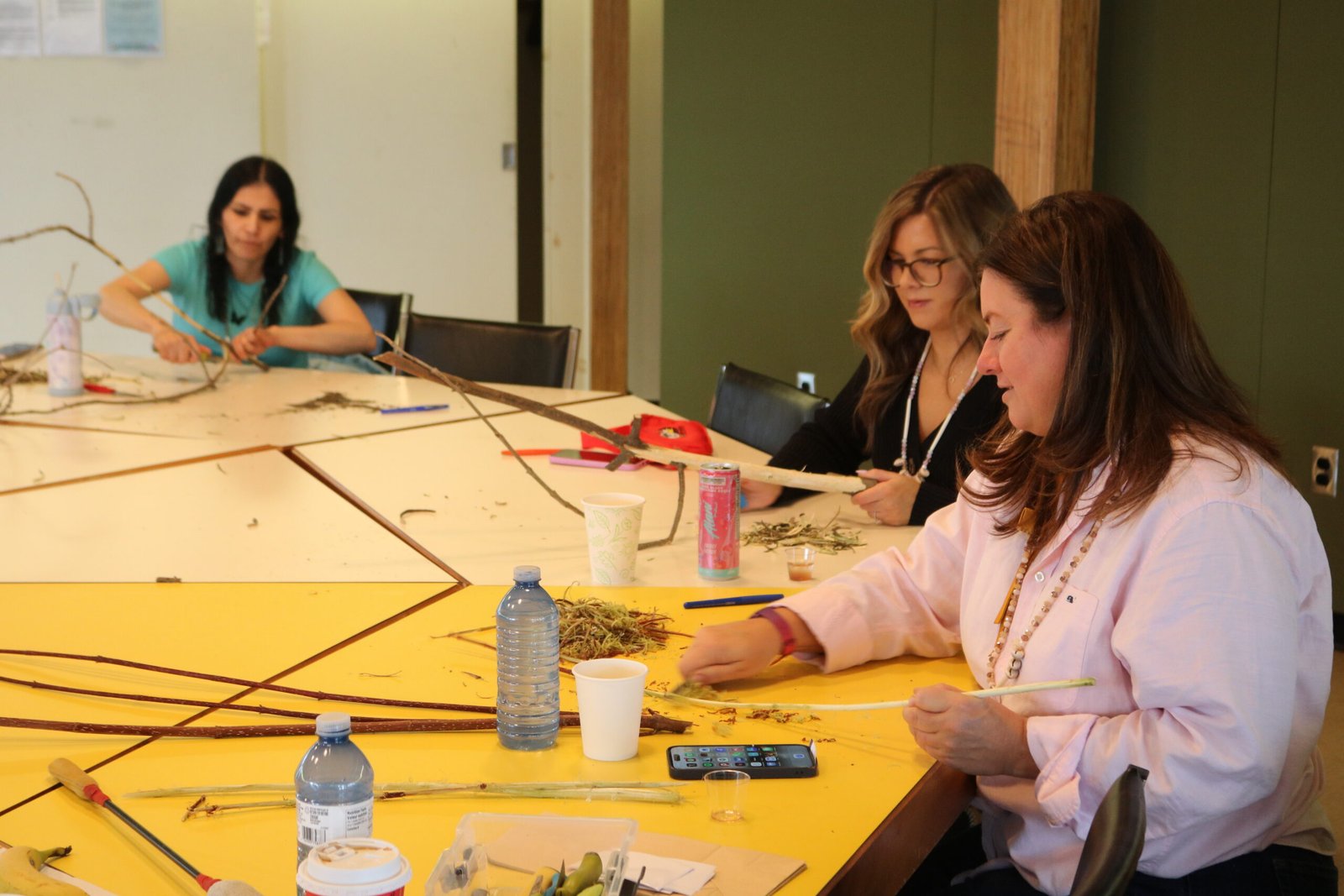
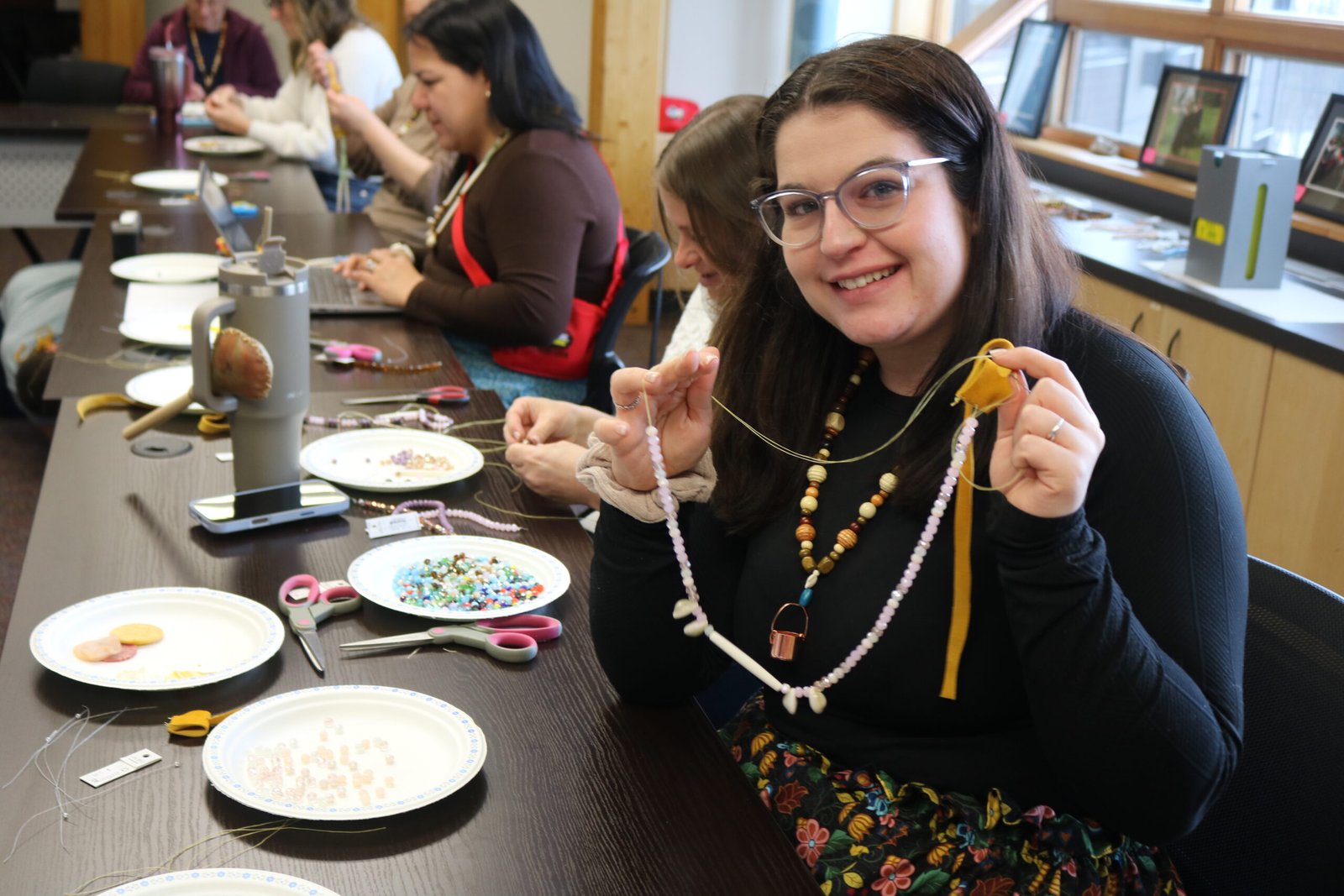
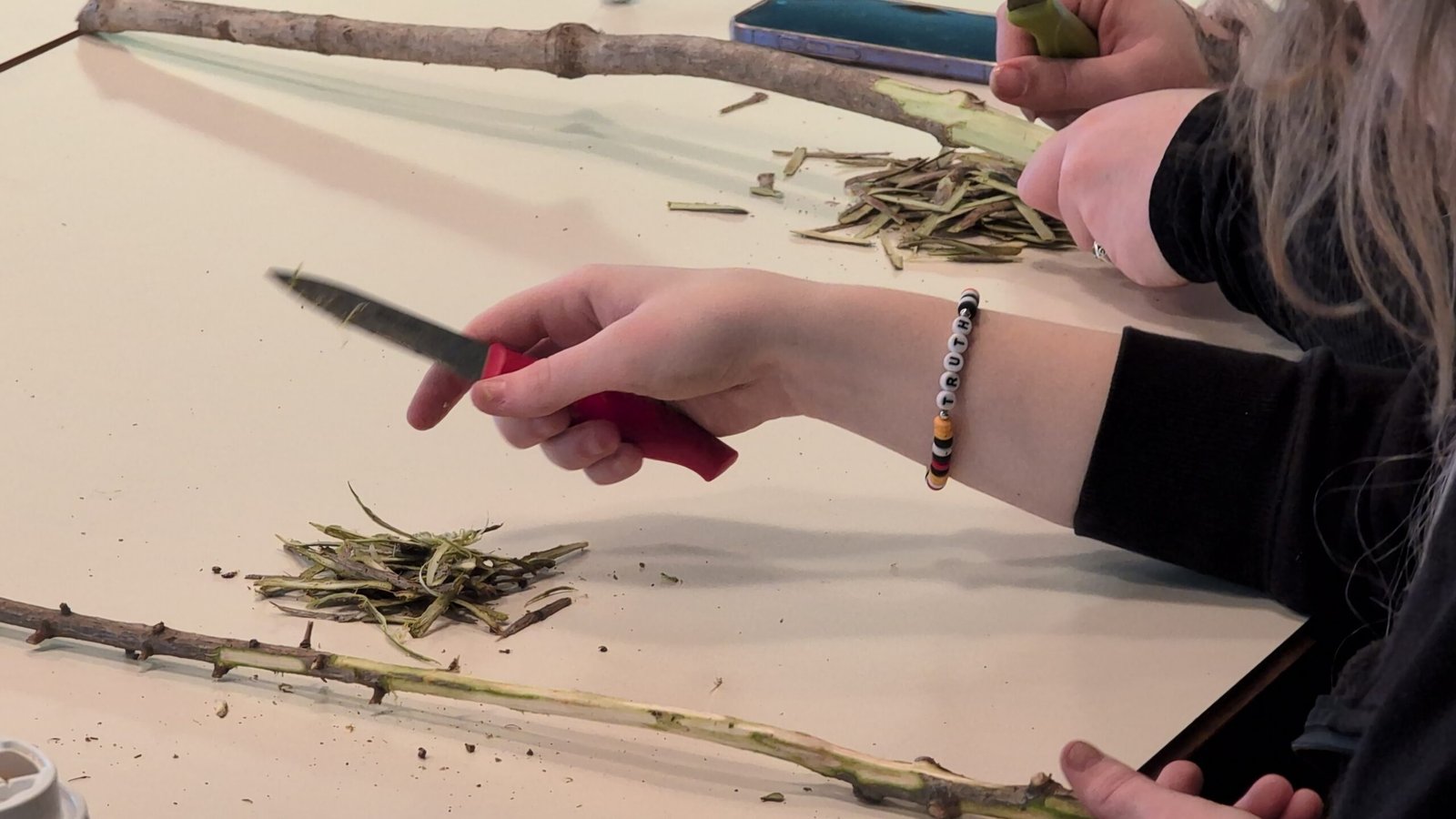
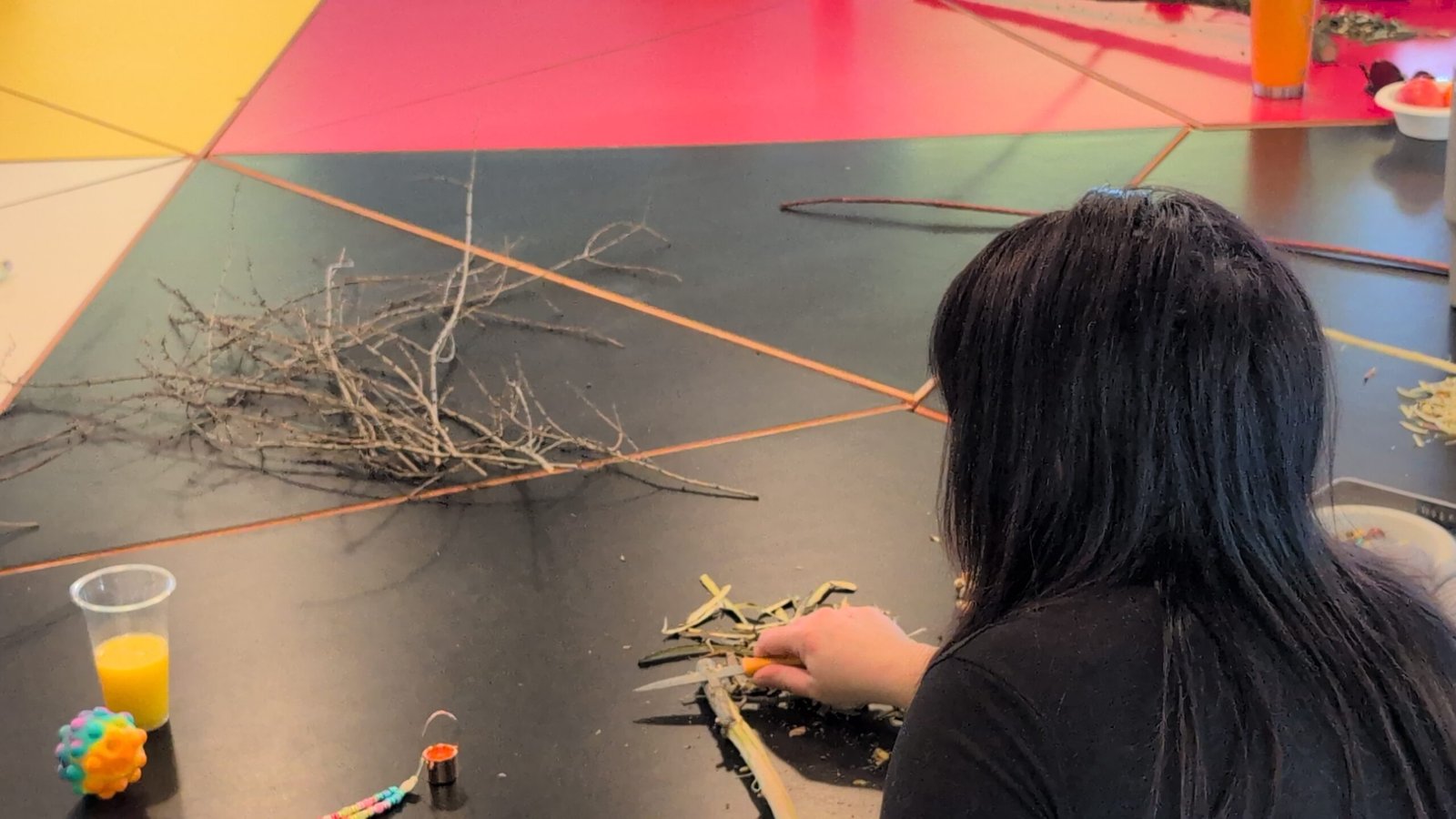
Teachings throughout the camp were led by Gookmis Glenna Beaucage, who shared knowledge on the 13 Moons Calendar and Natural Law, helping participants understand seasonal cycles, responsibilities, and balance. Gookmis Glenna also guided teachings on traditional teas, led water teachings, supported the creation of water necklaces, and demonstrated how to make Mkwemskikiikeng (Women’s Medicine) using freshly peeled tree bark. These teachings emphasized respectful relationships with water, plants, and the medicines gathered from the land.
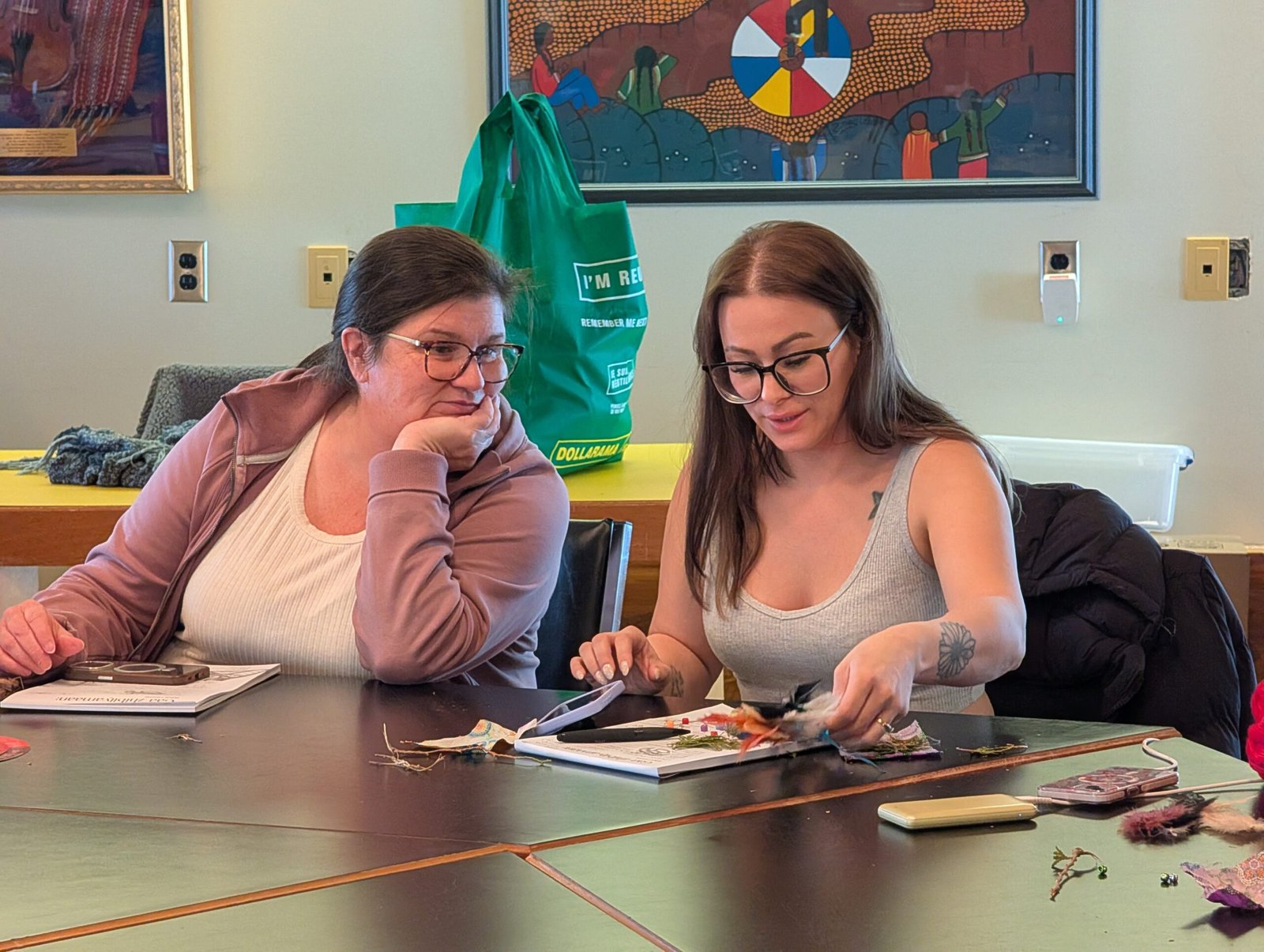
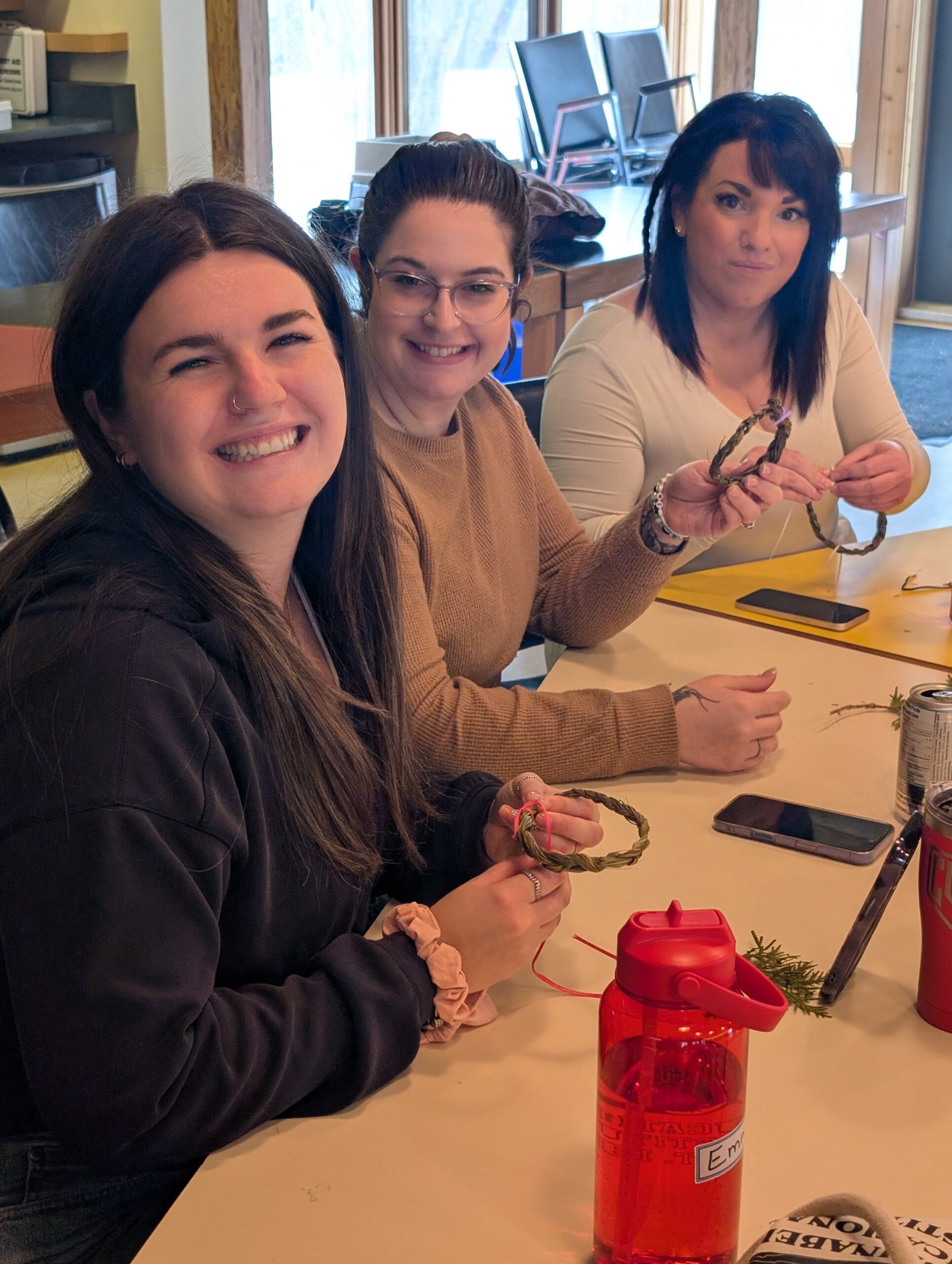
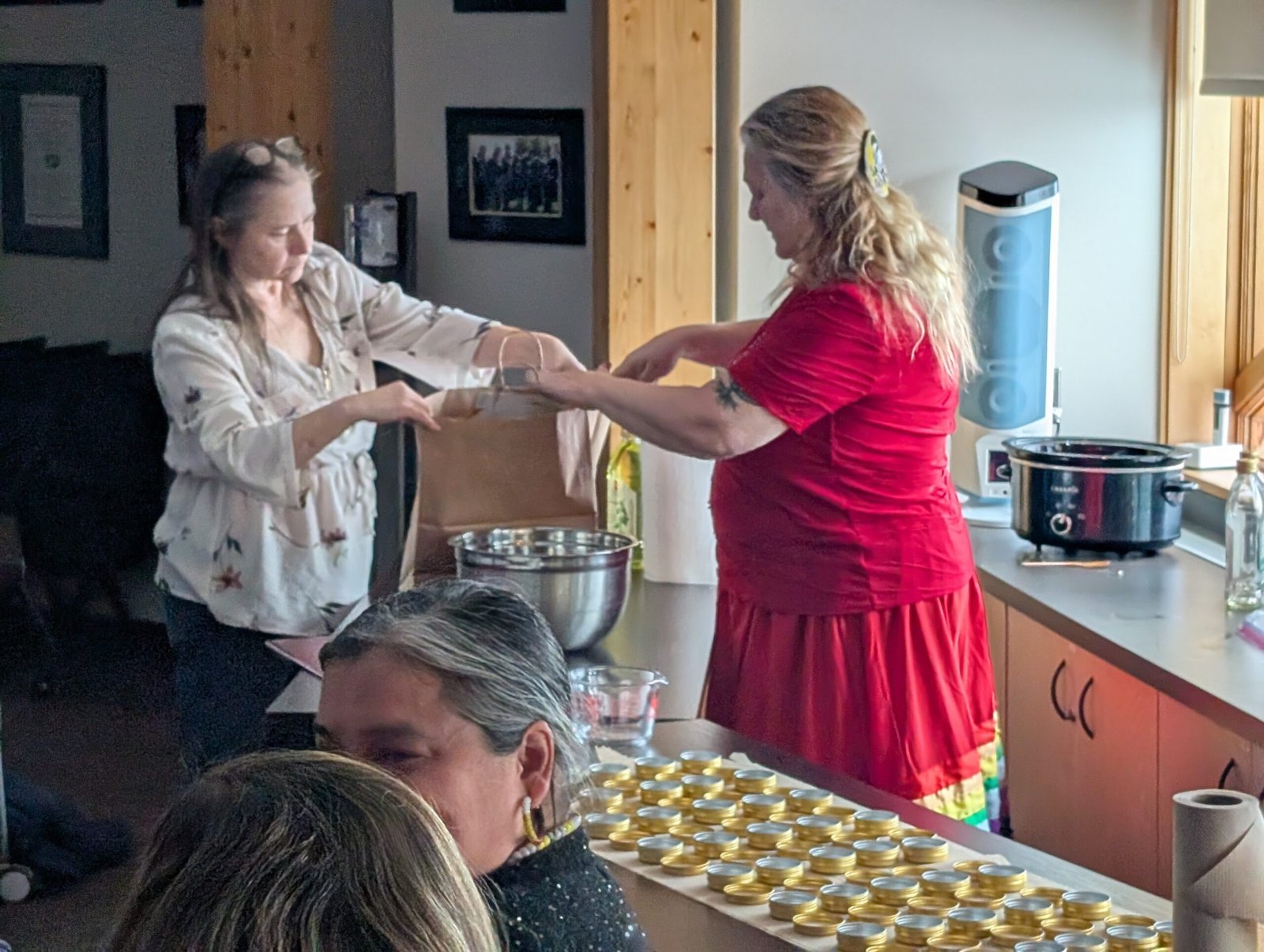
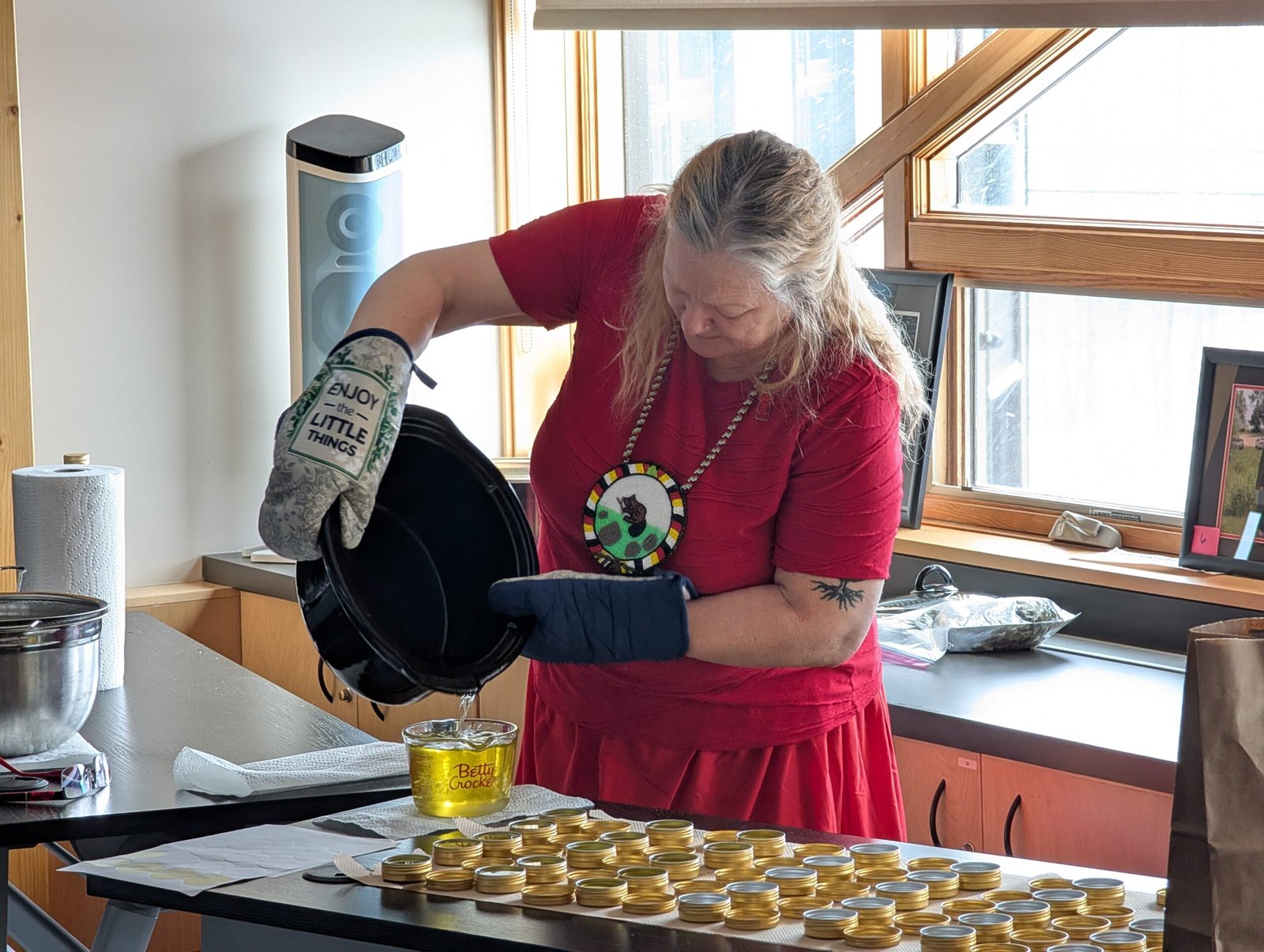
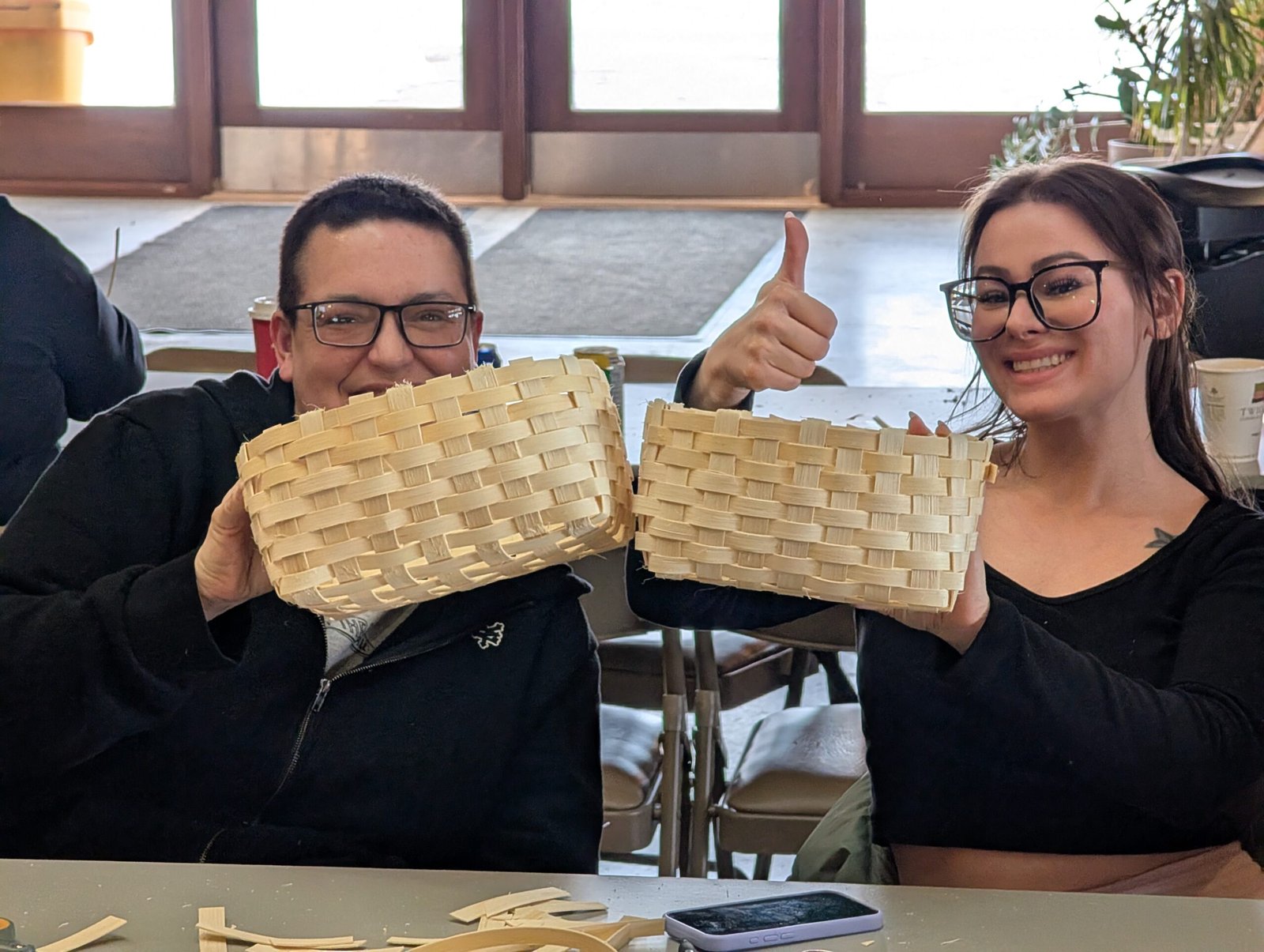
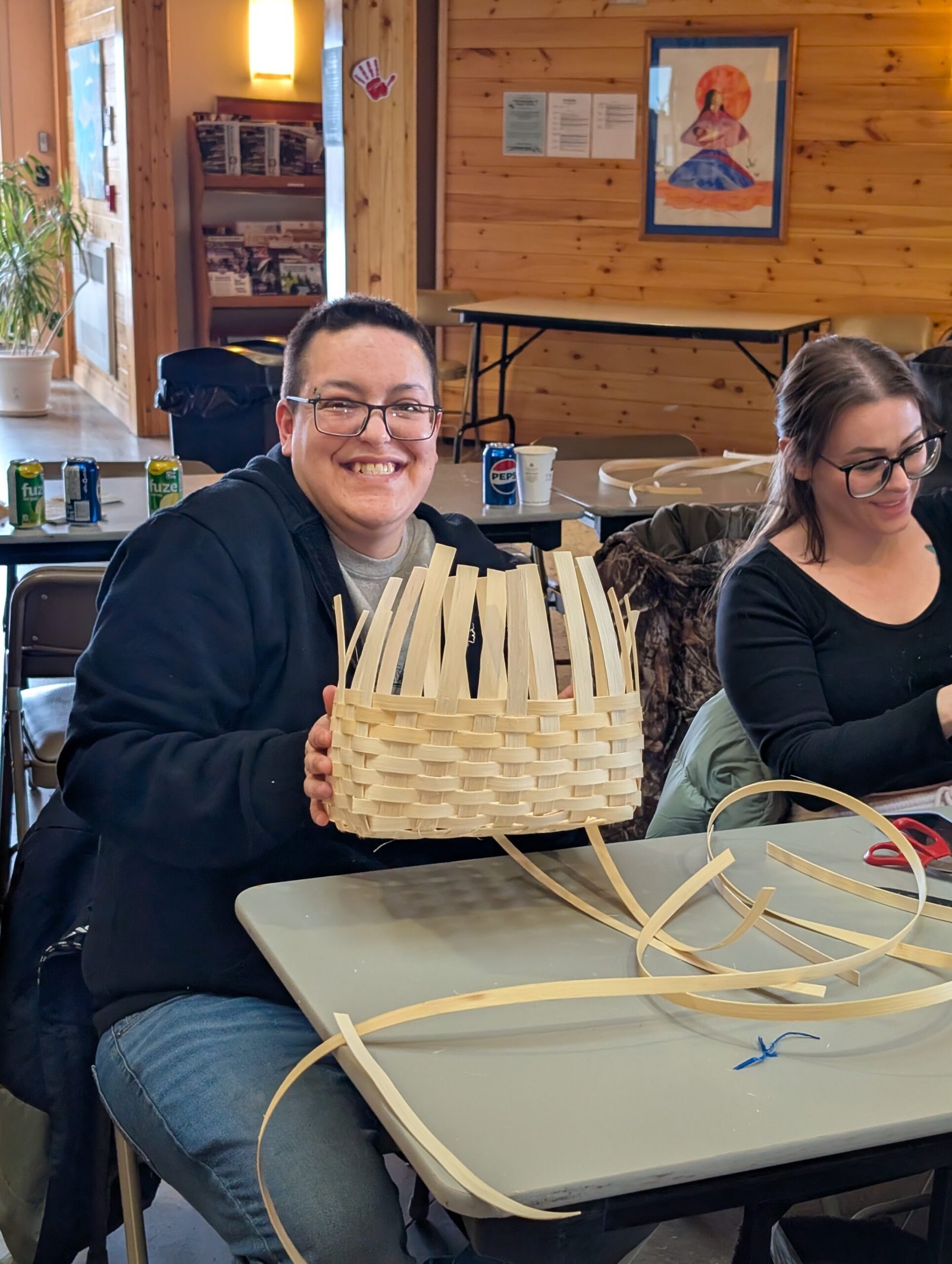
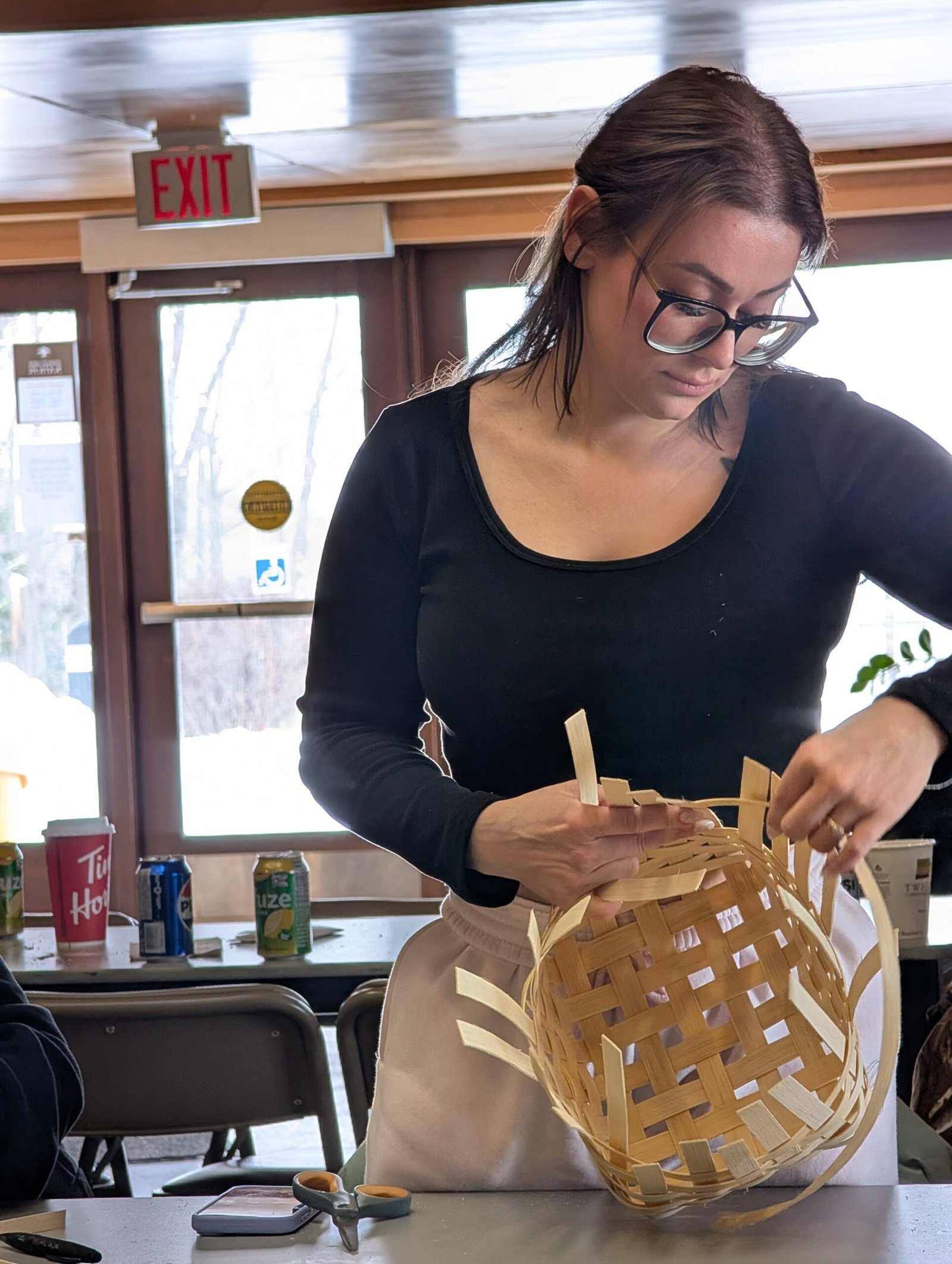
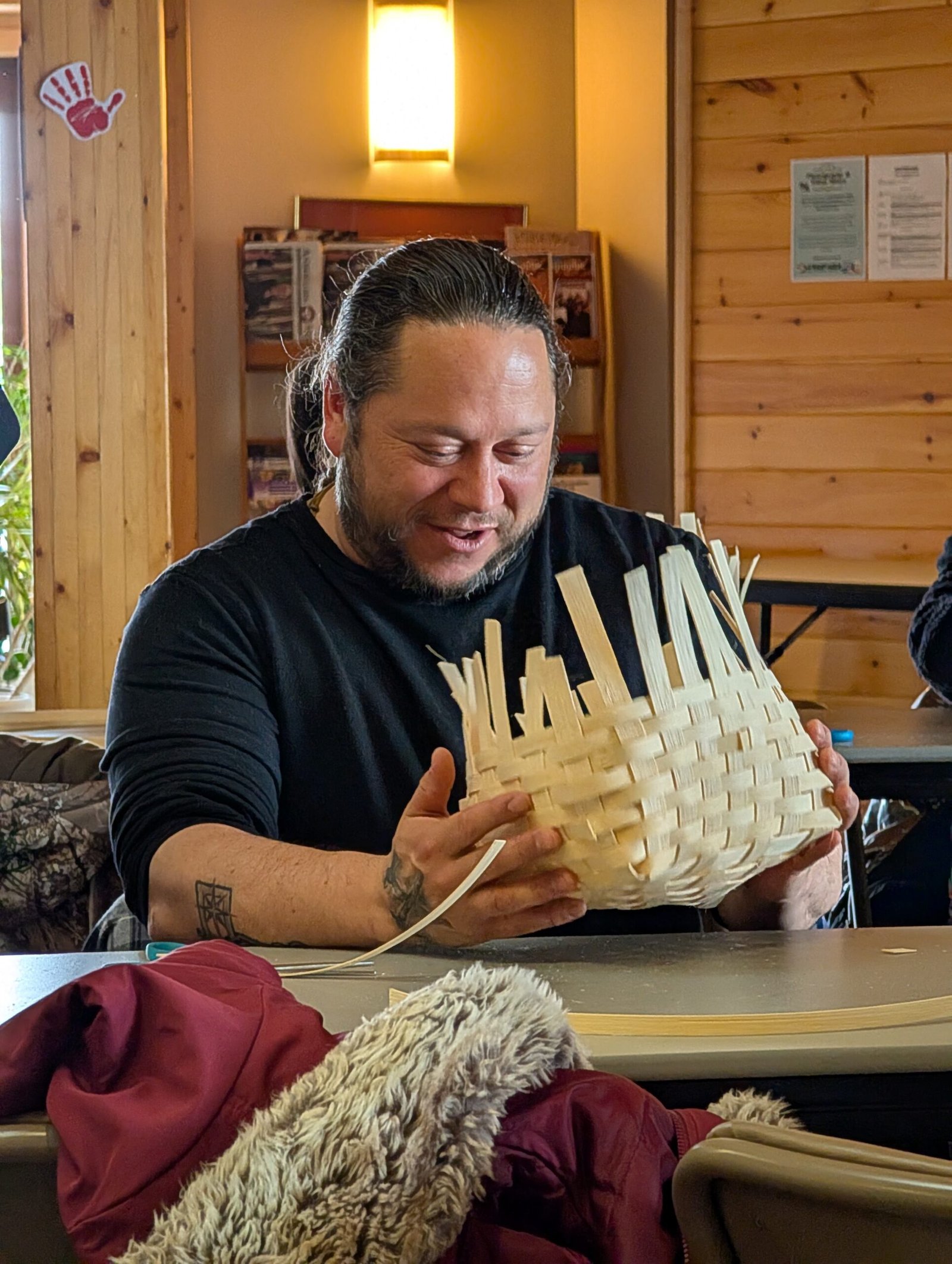
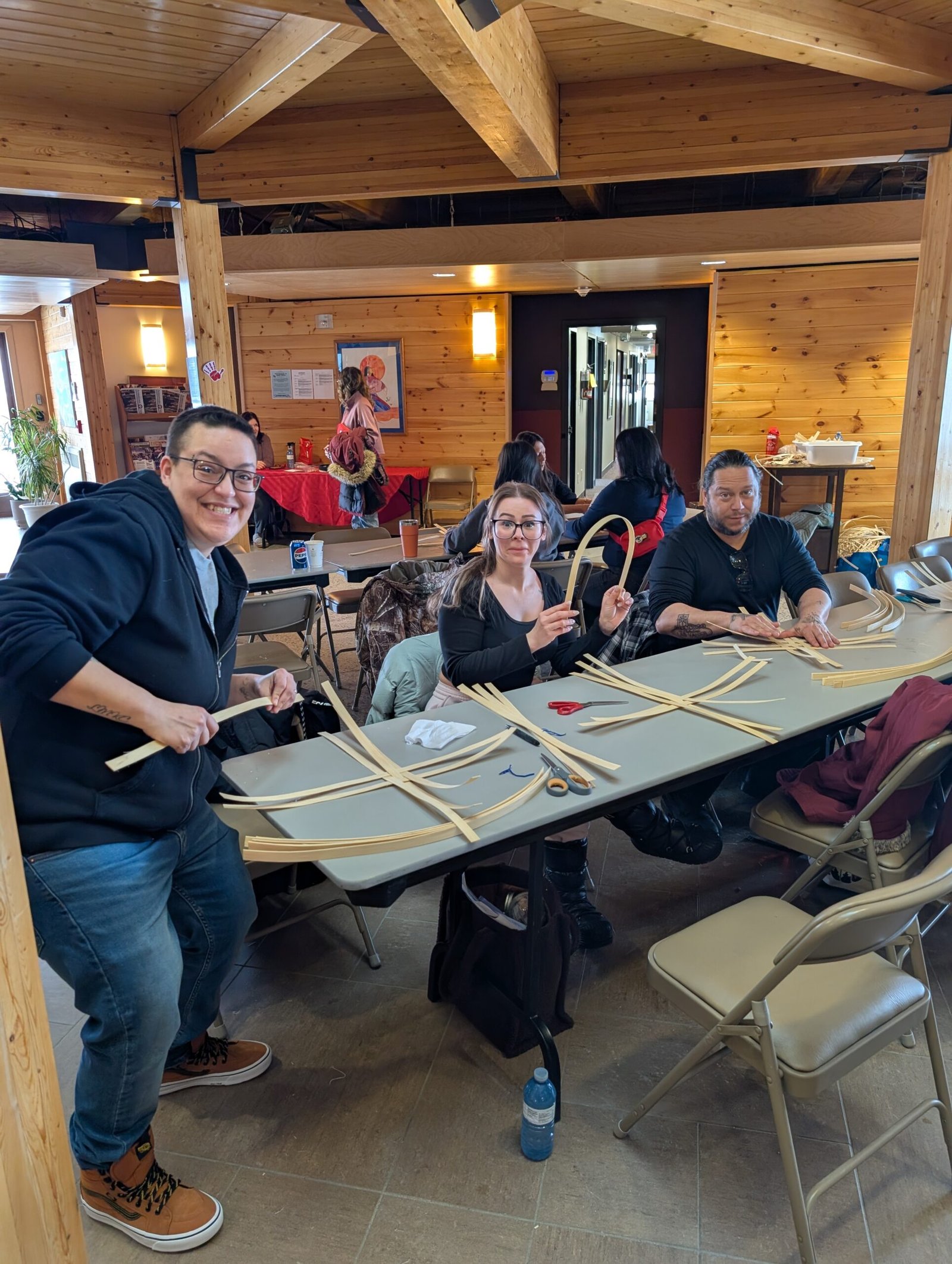
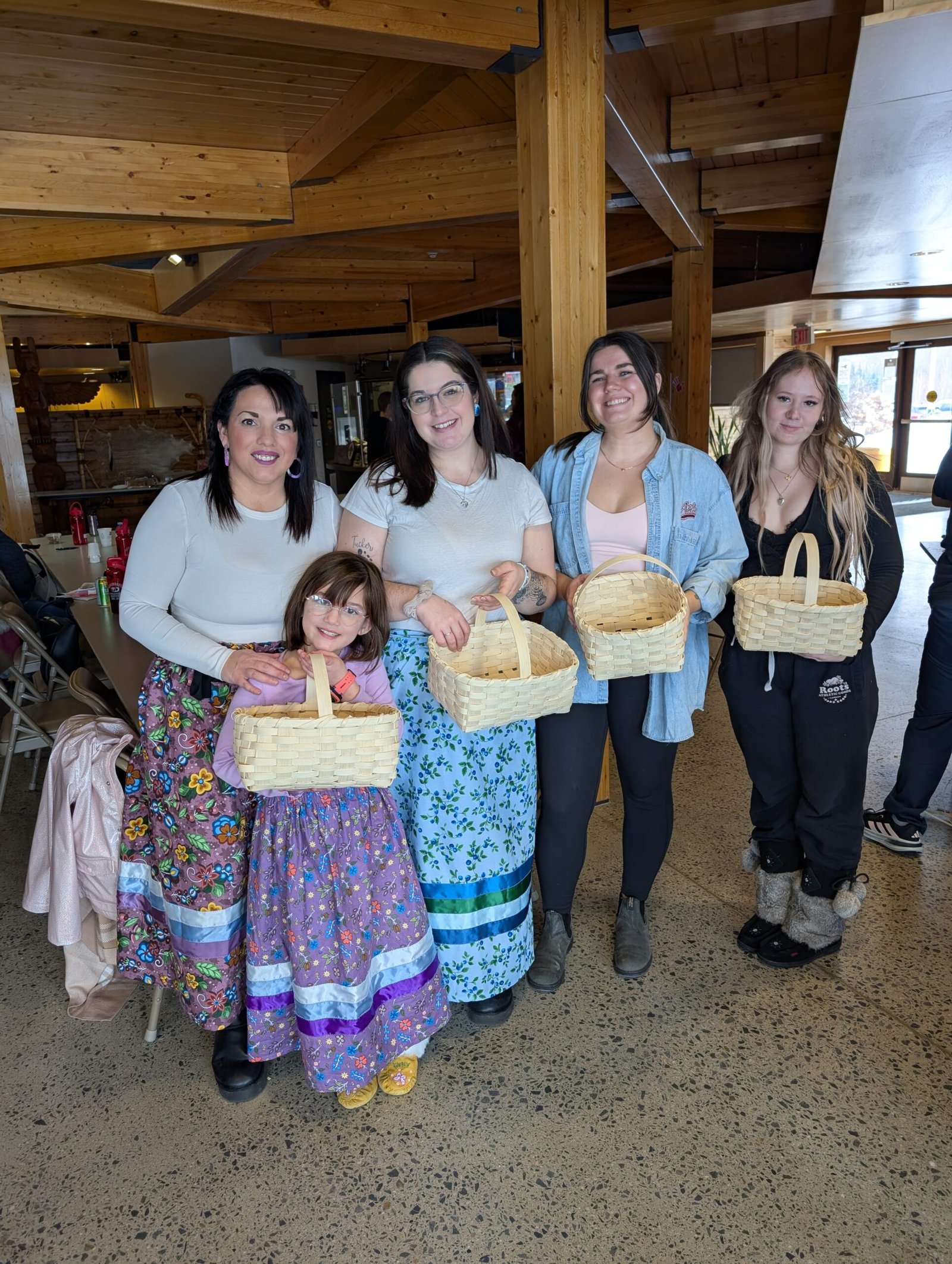
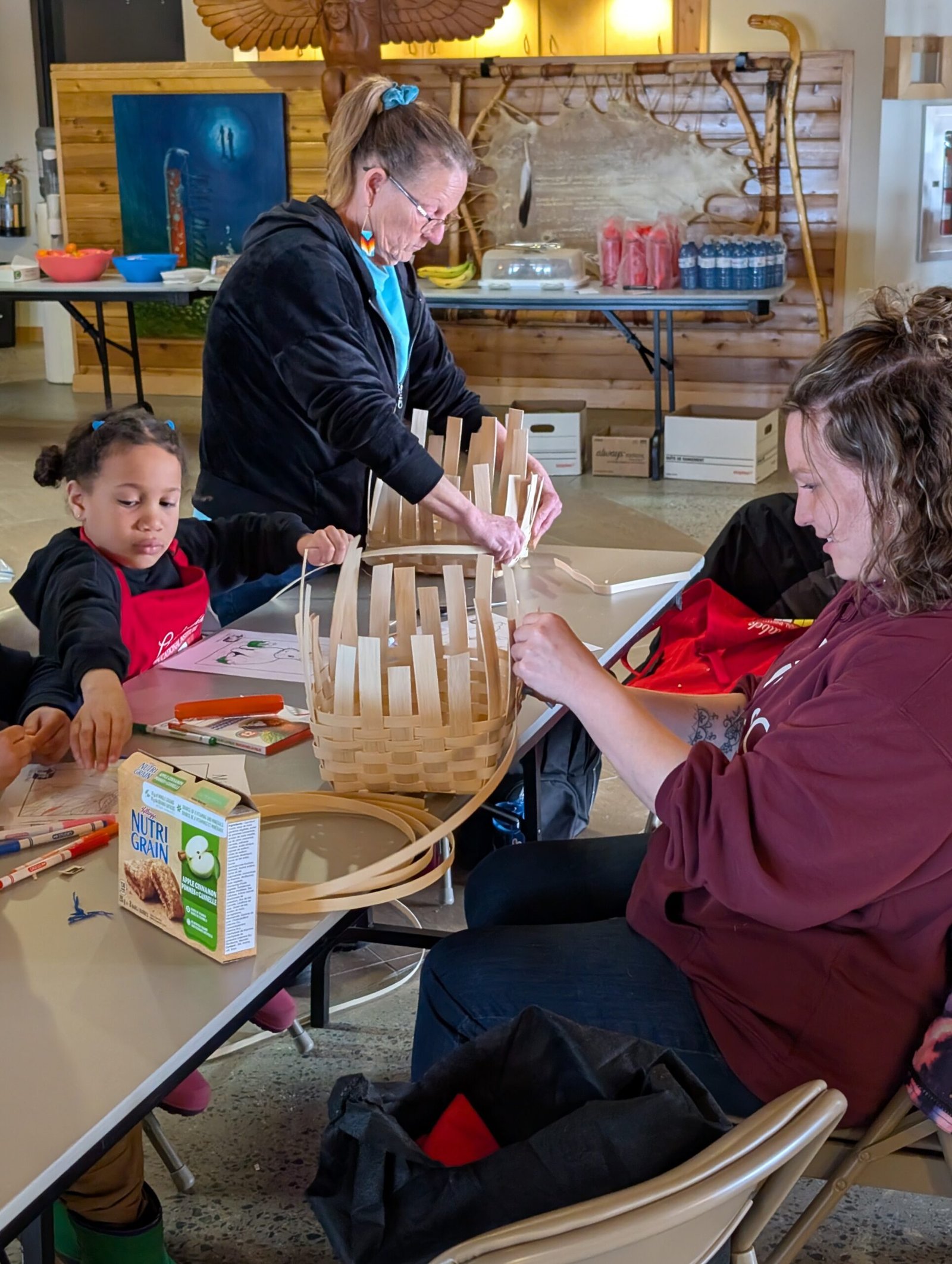
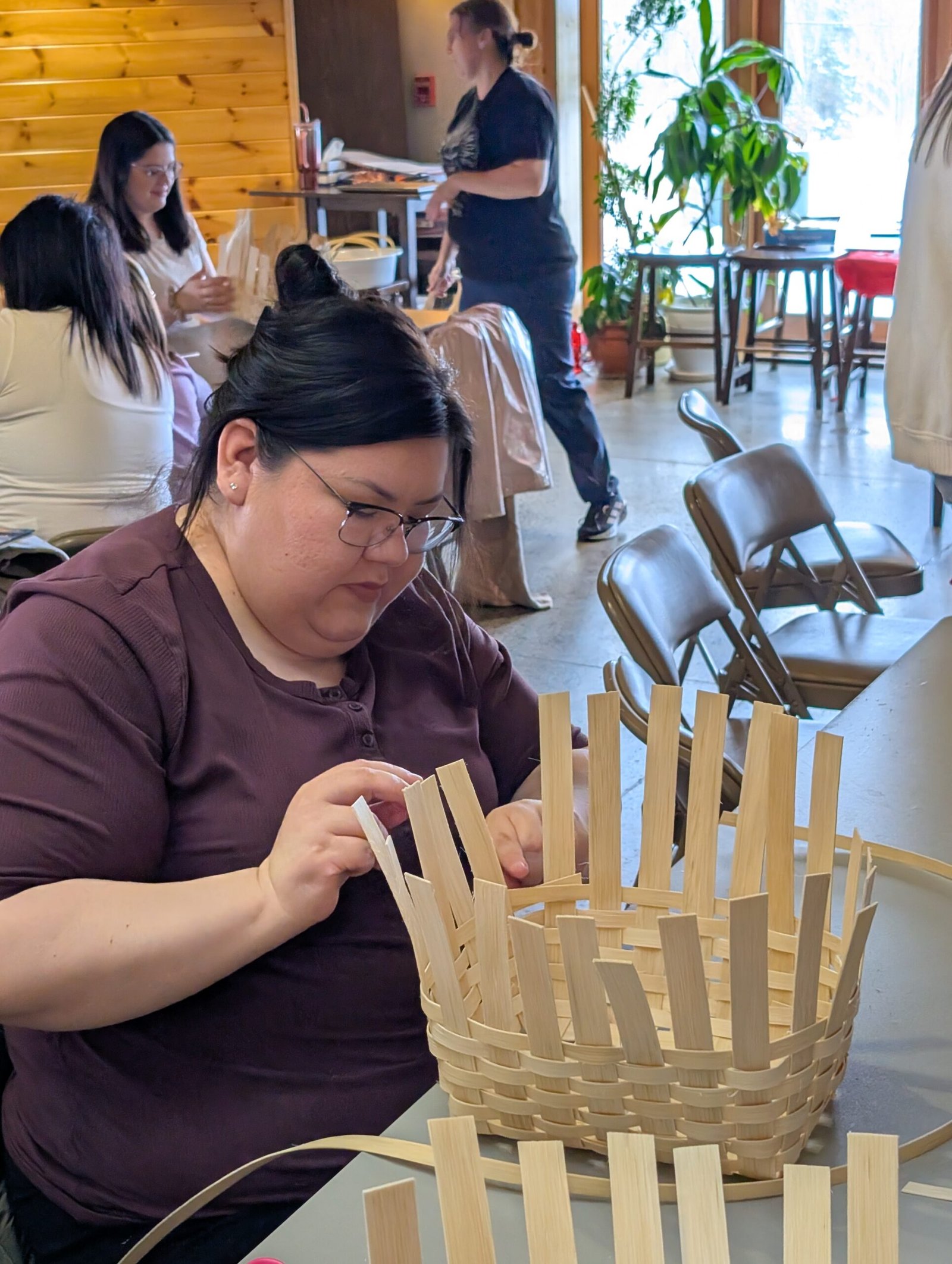
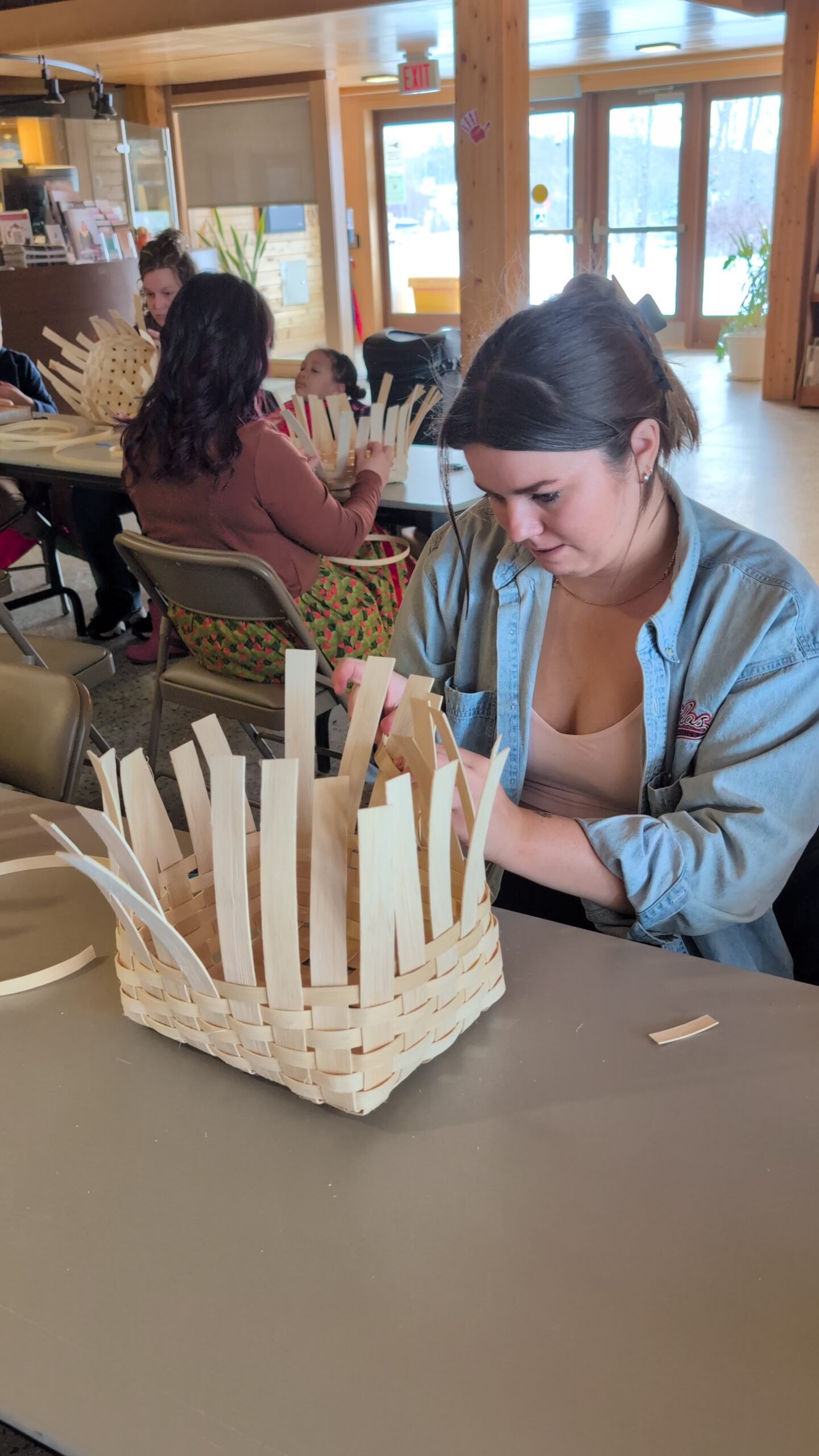
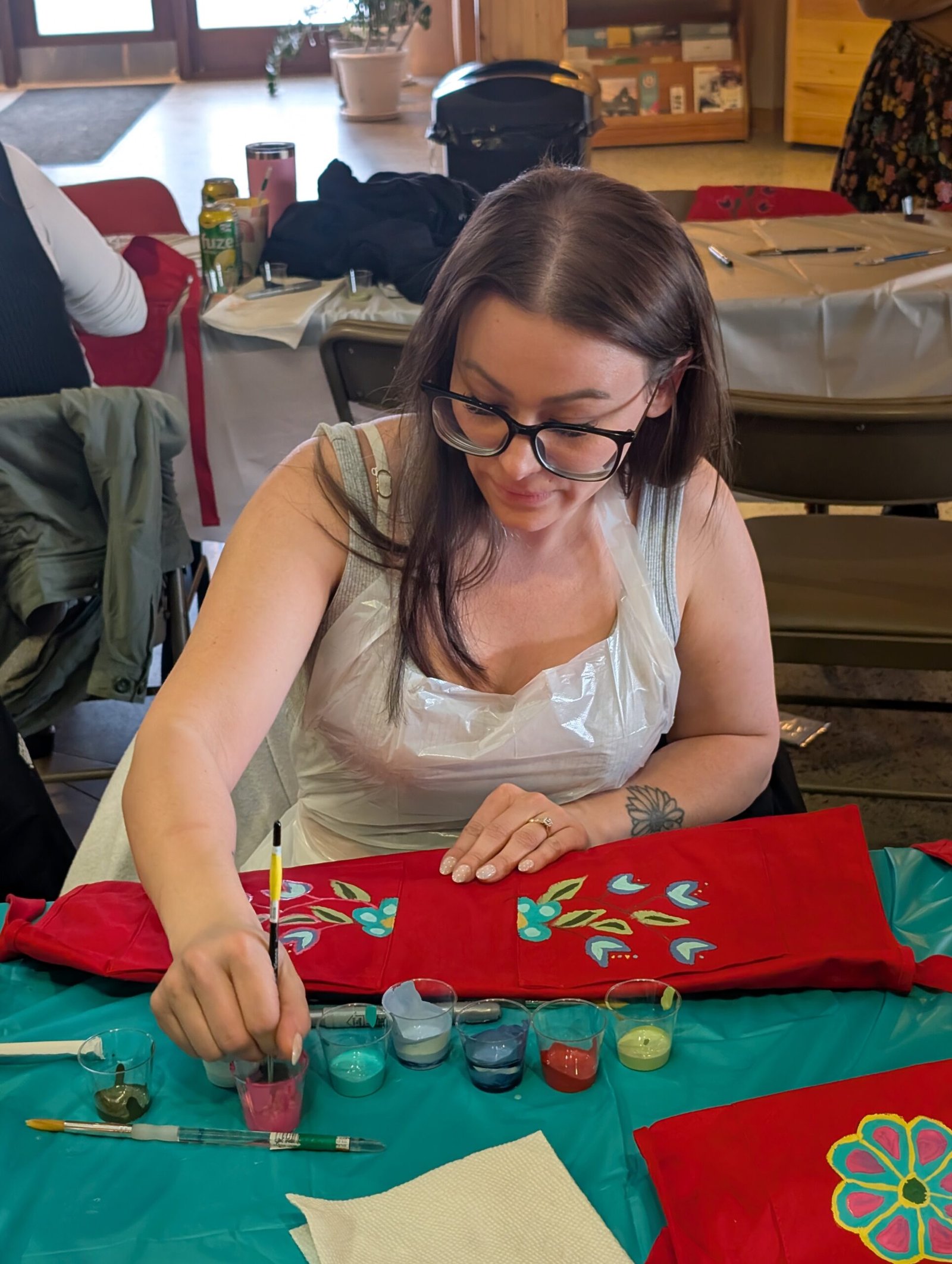
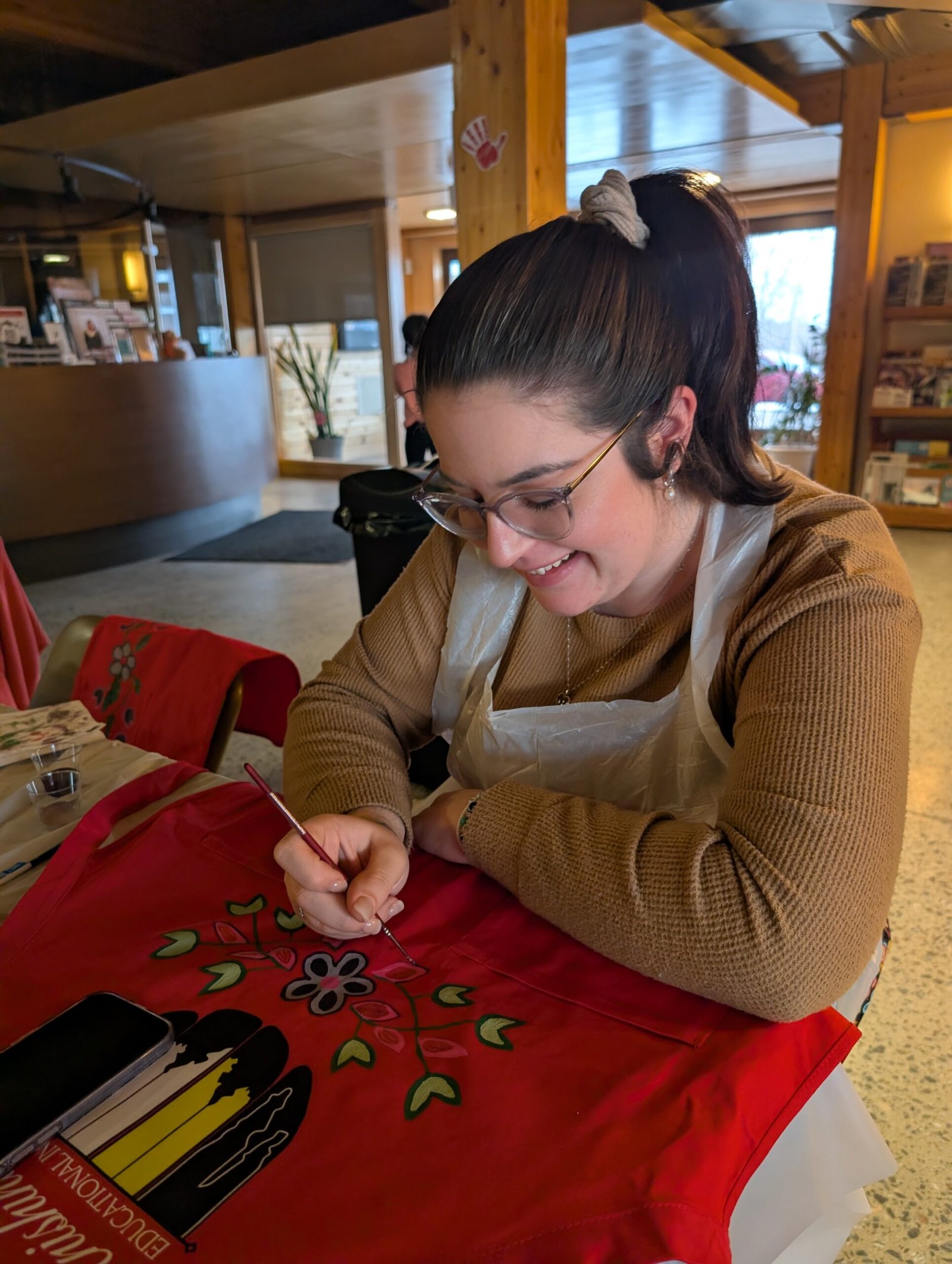
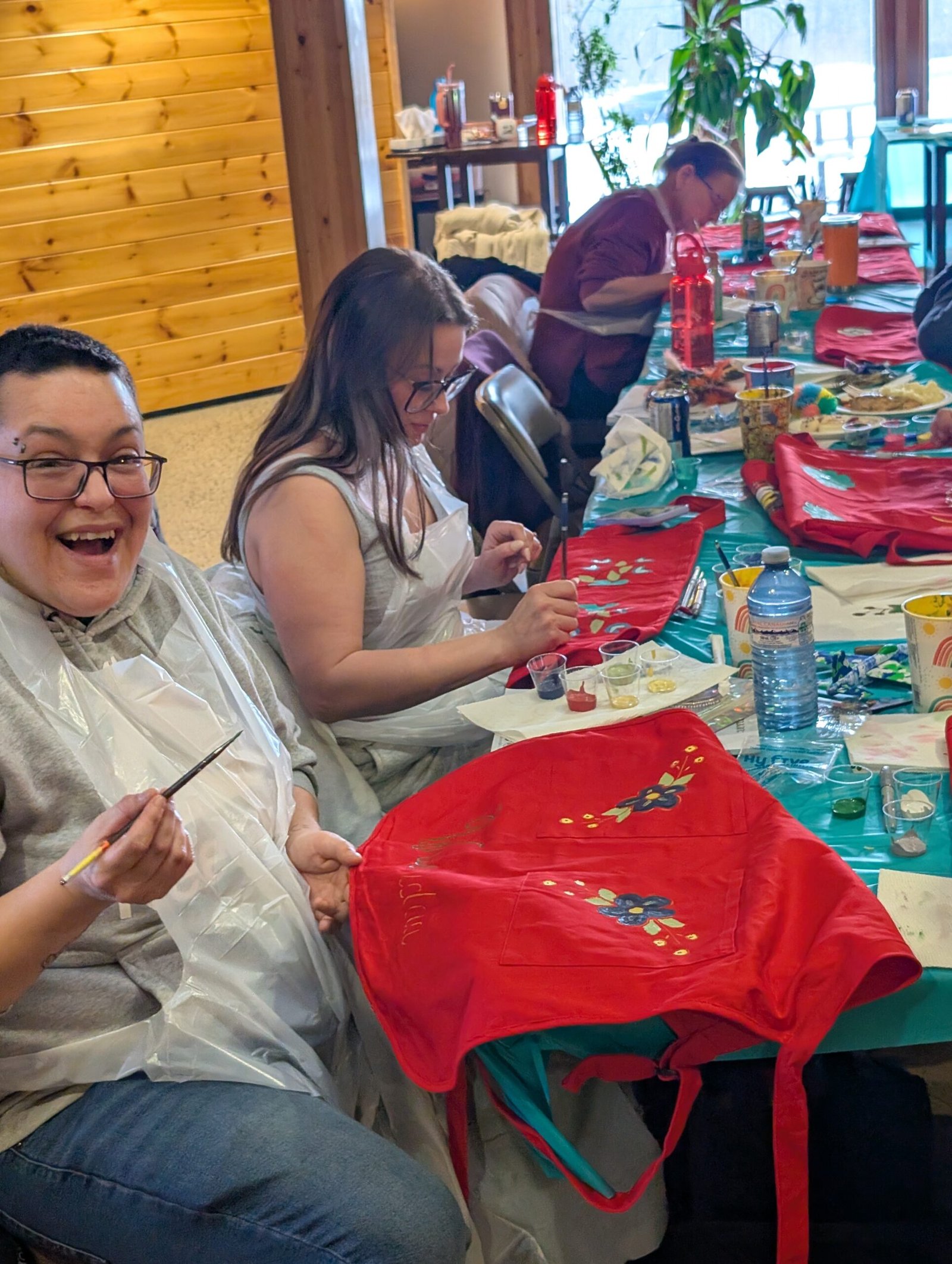
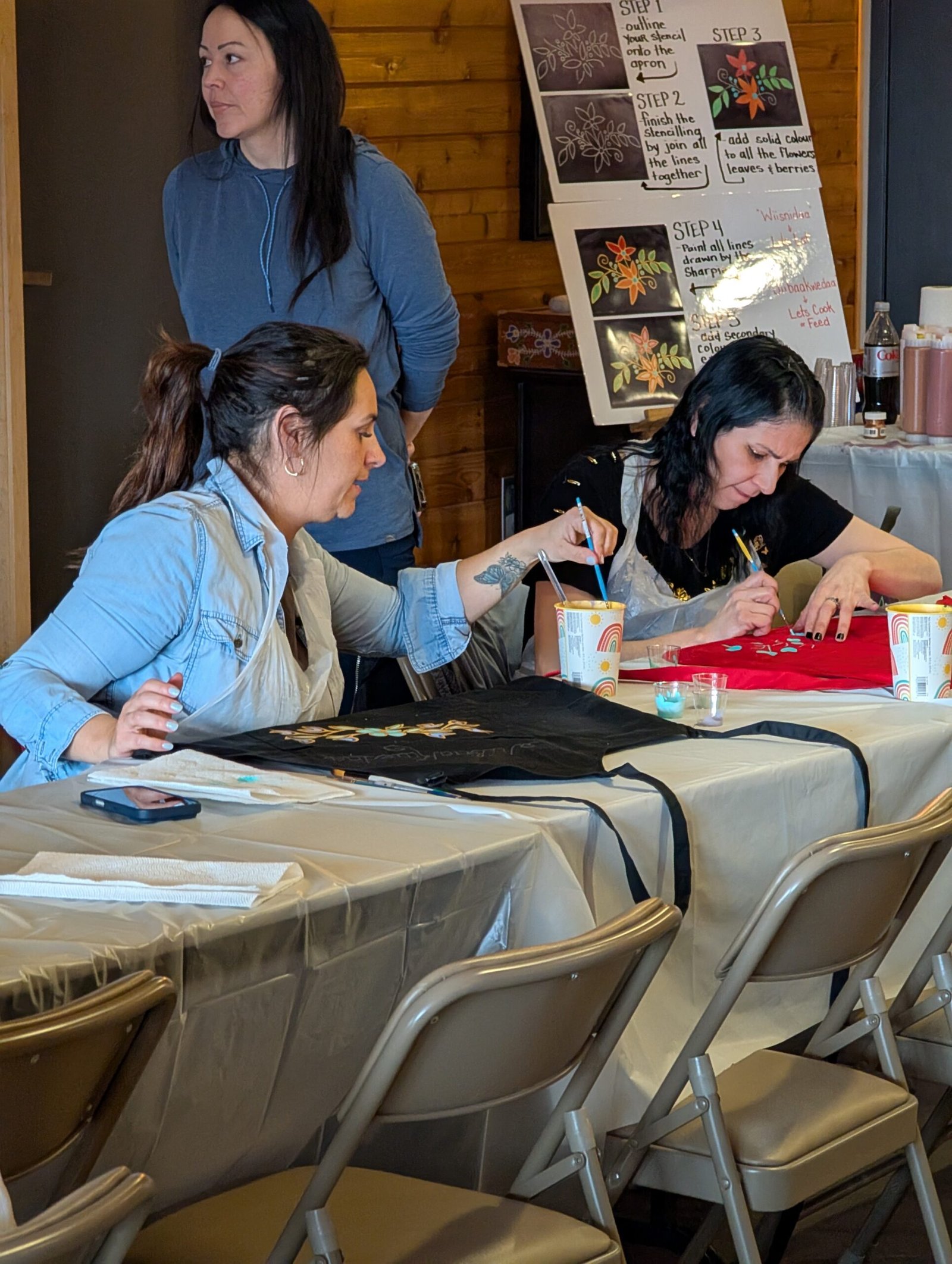
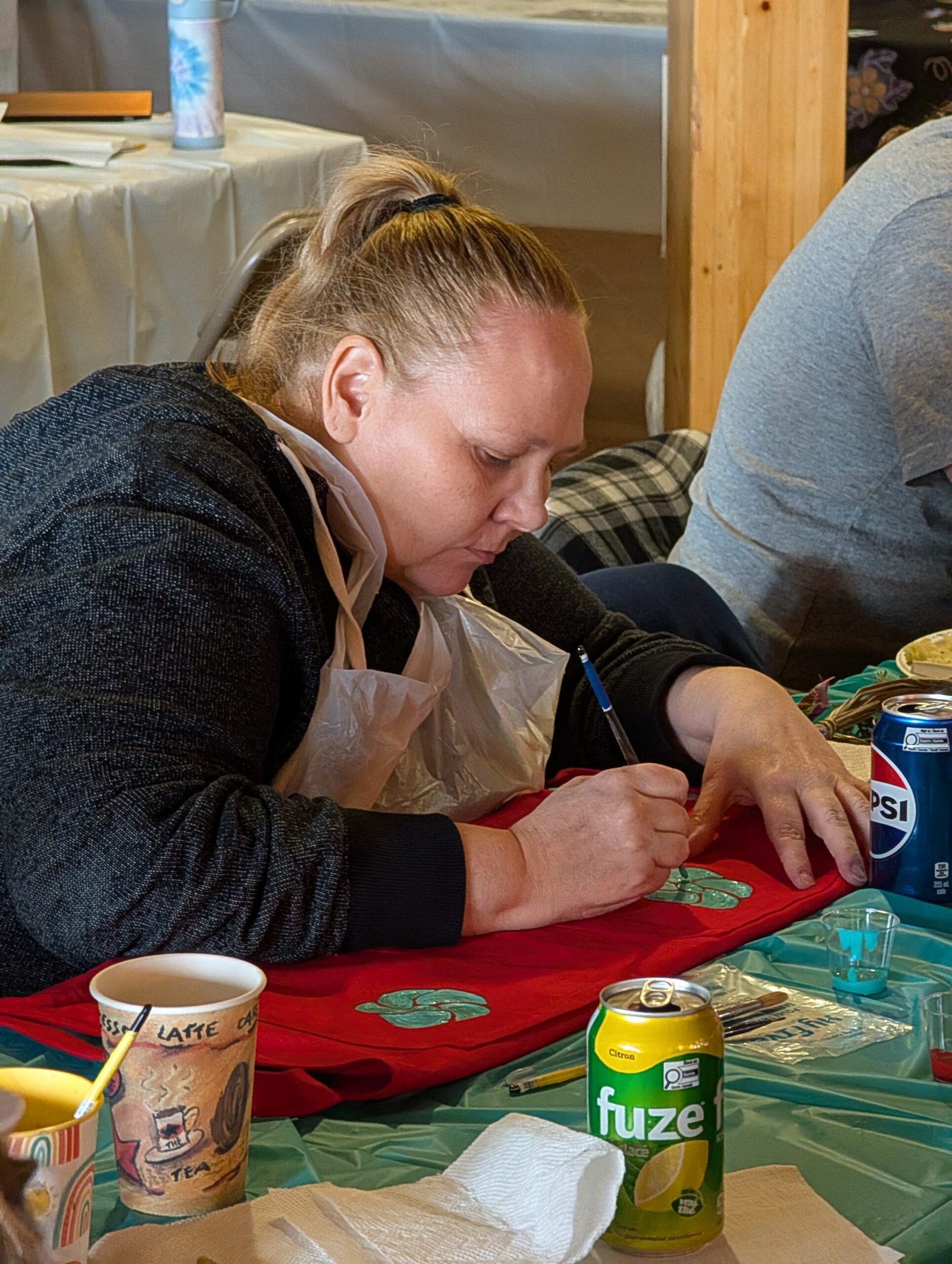
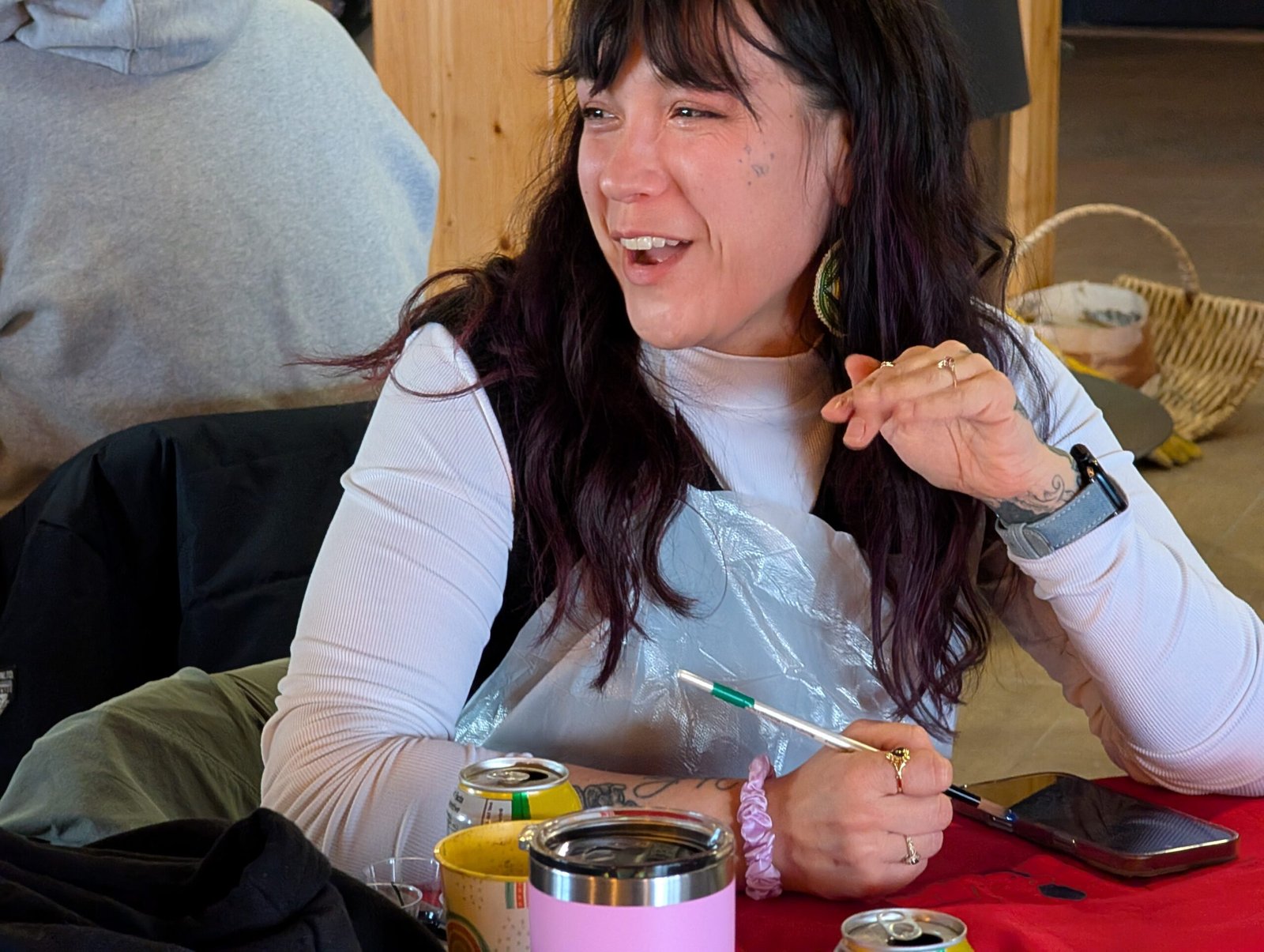
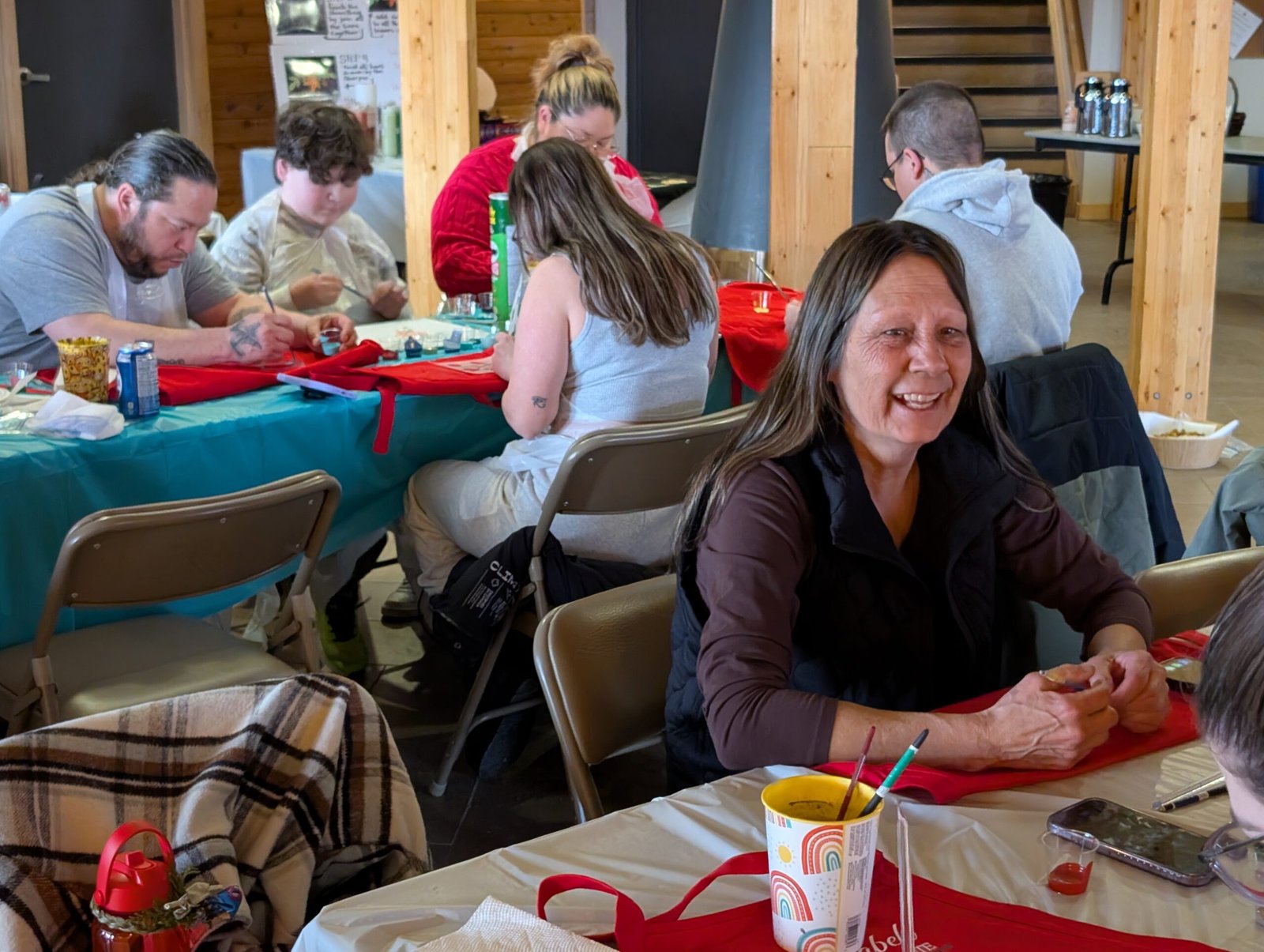
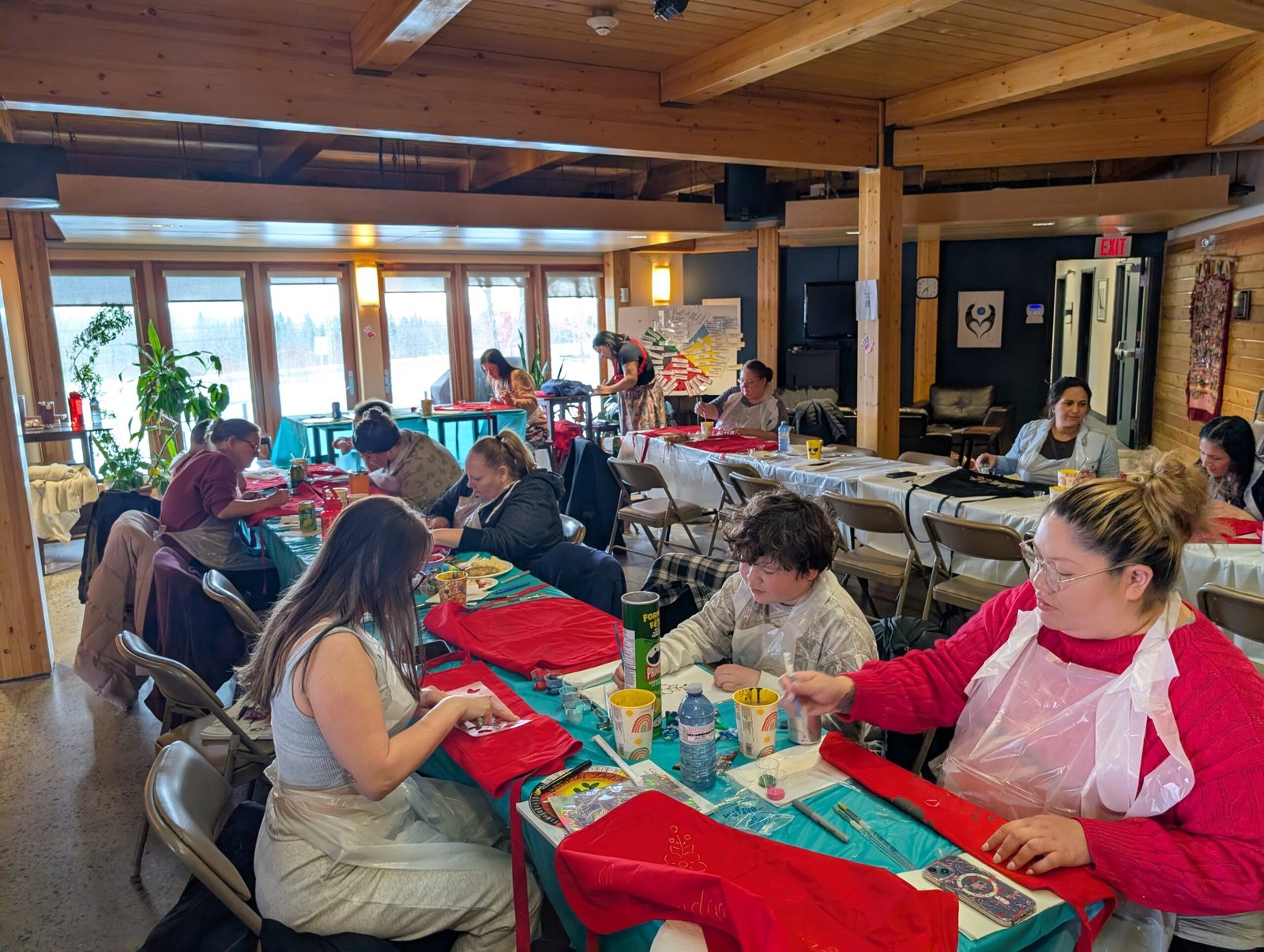
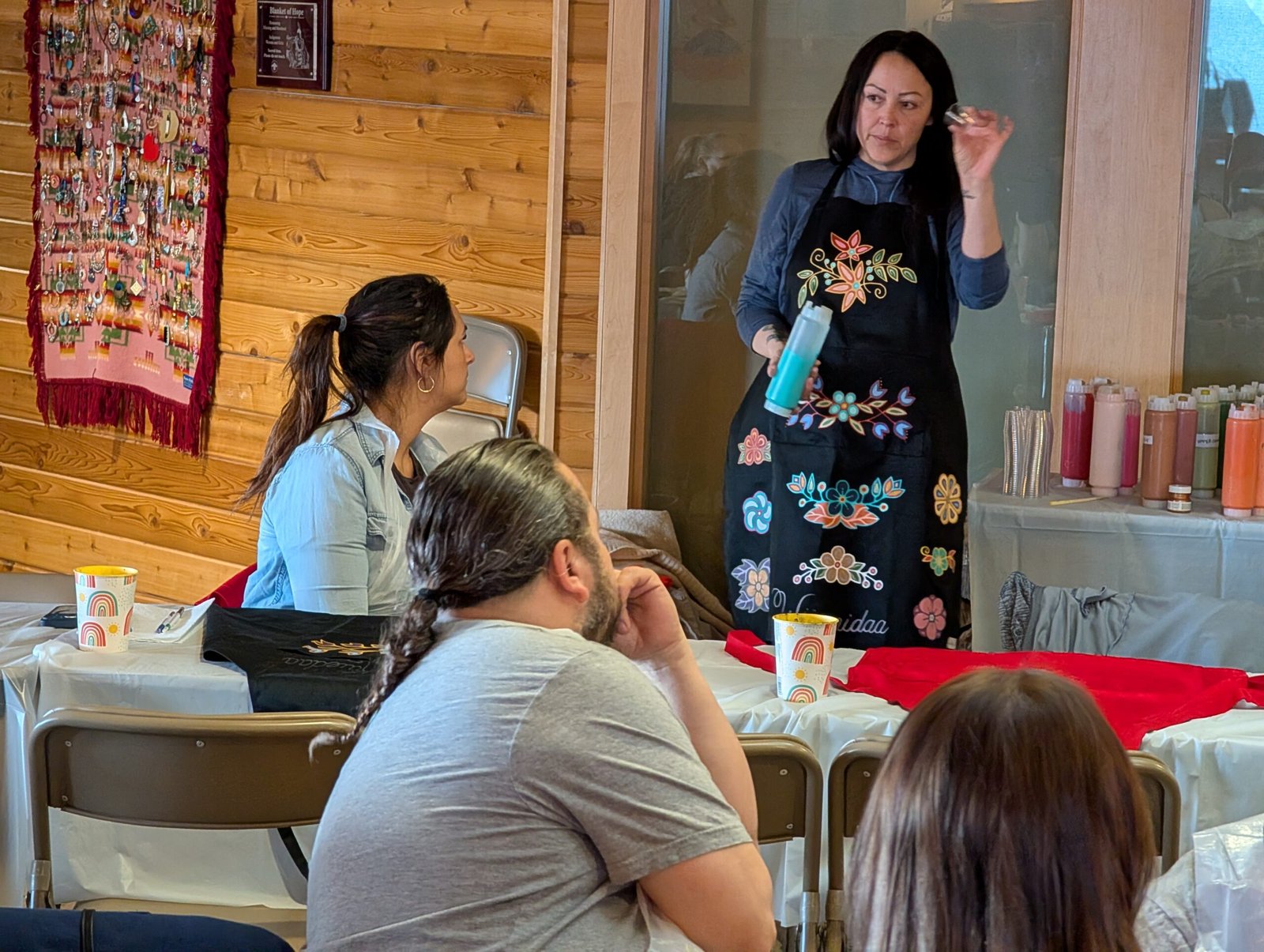
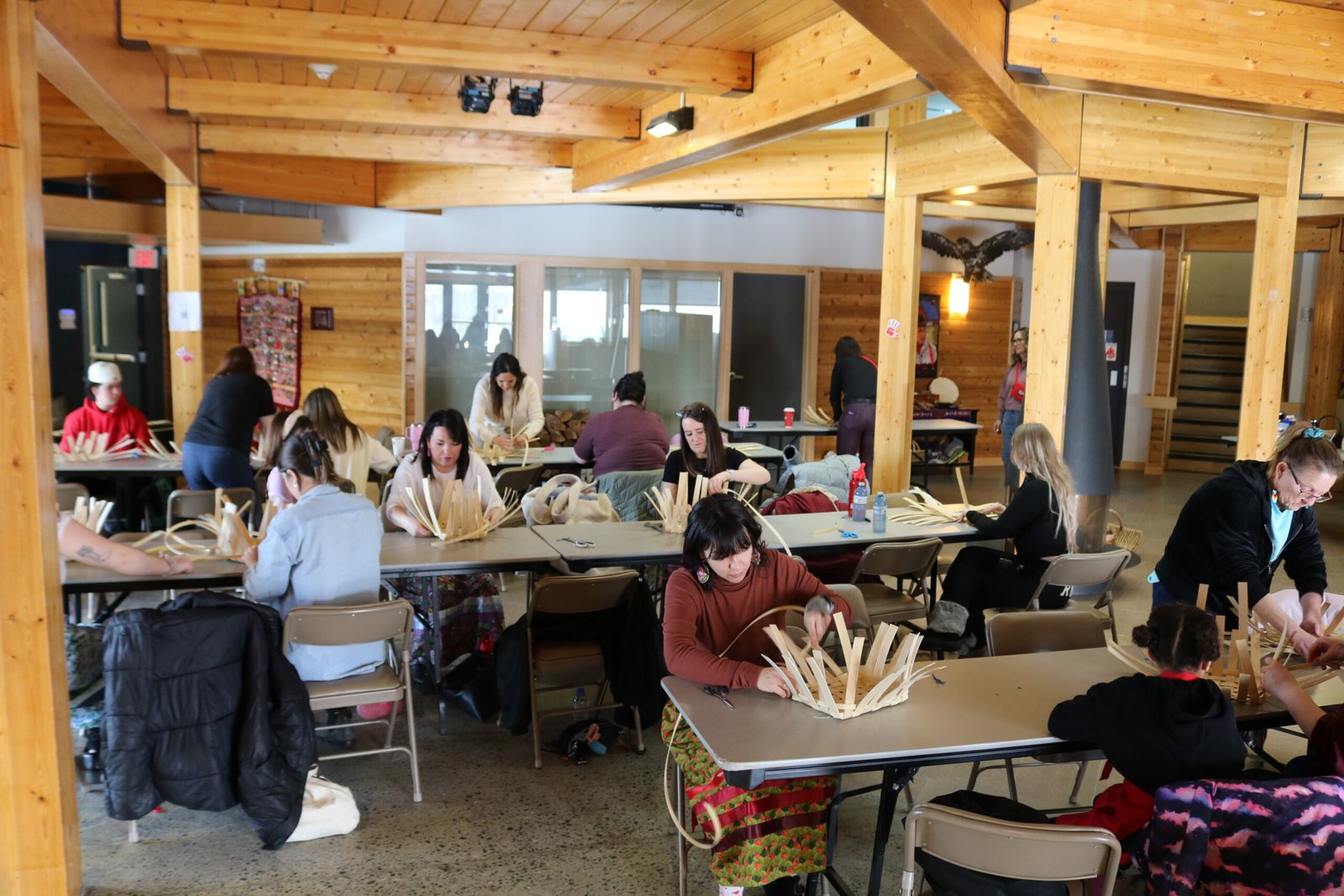
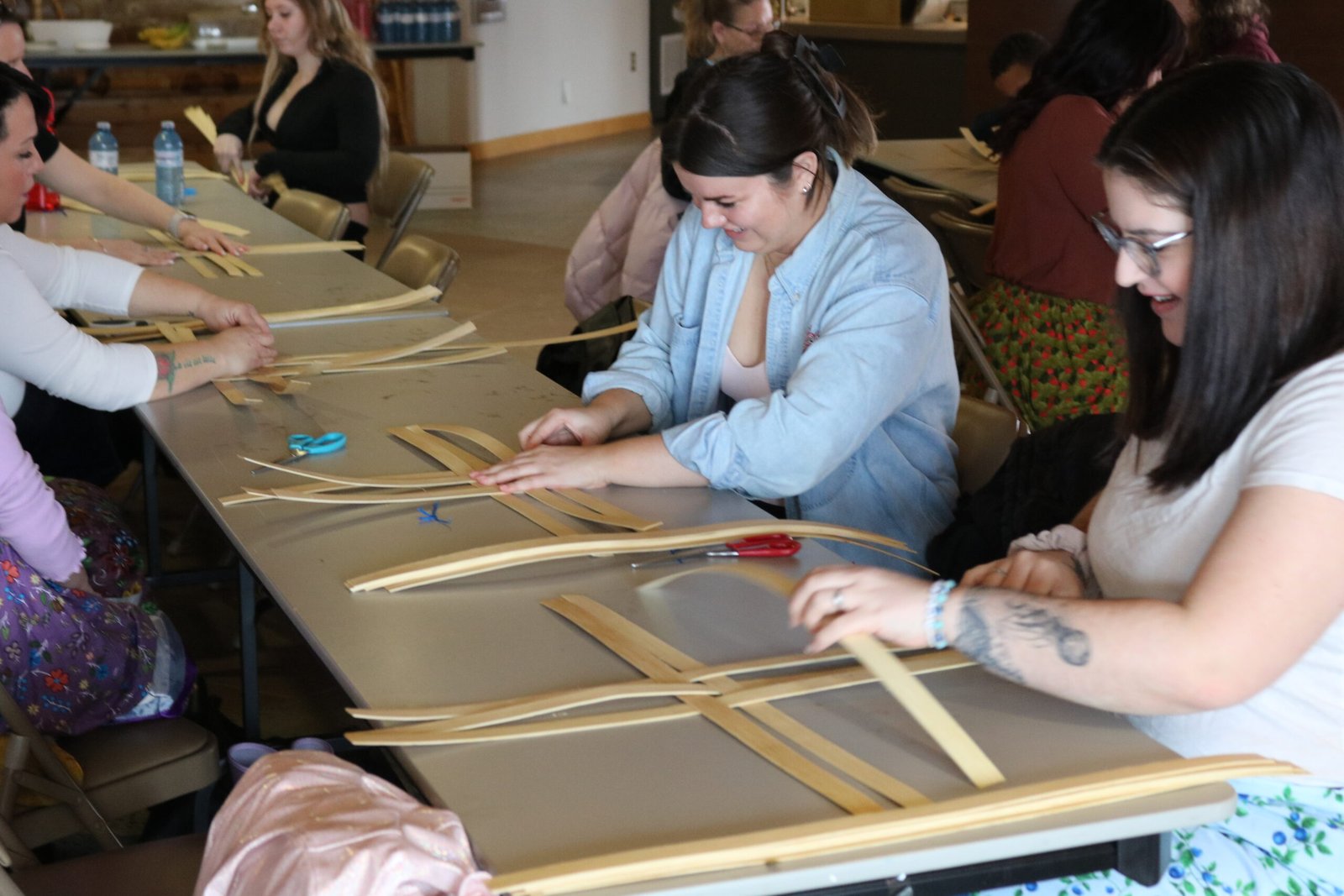
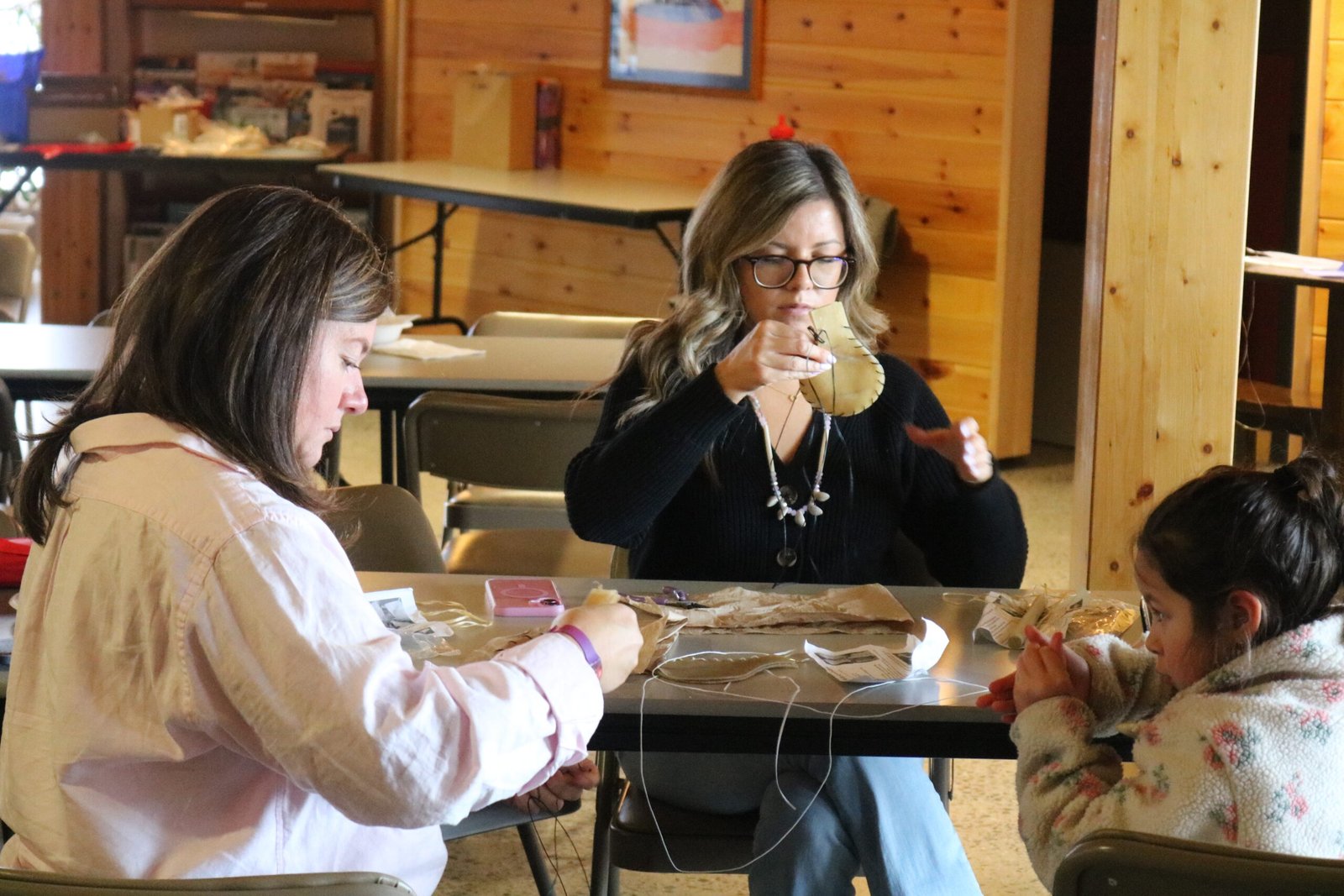
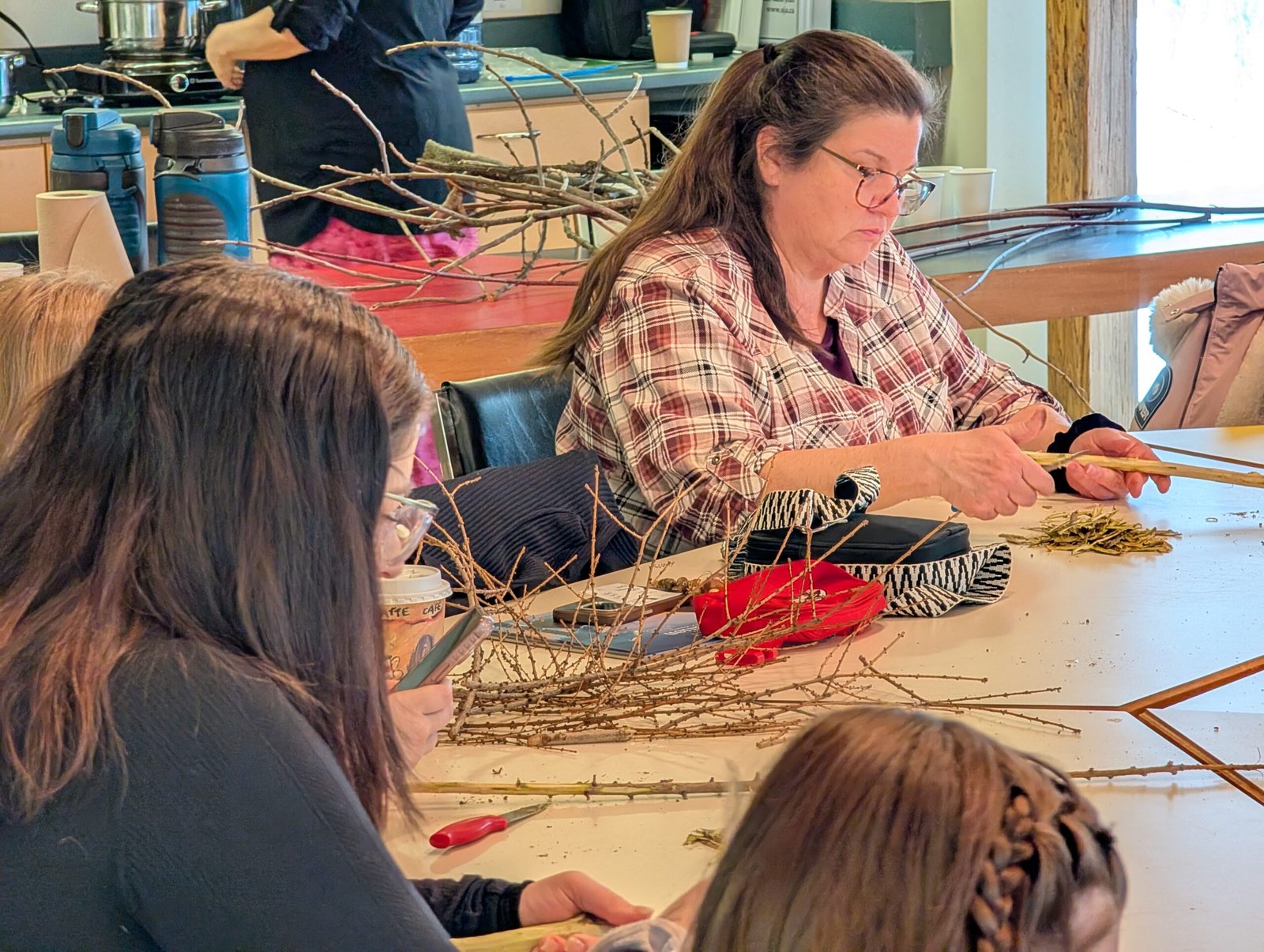
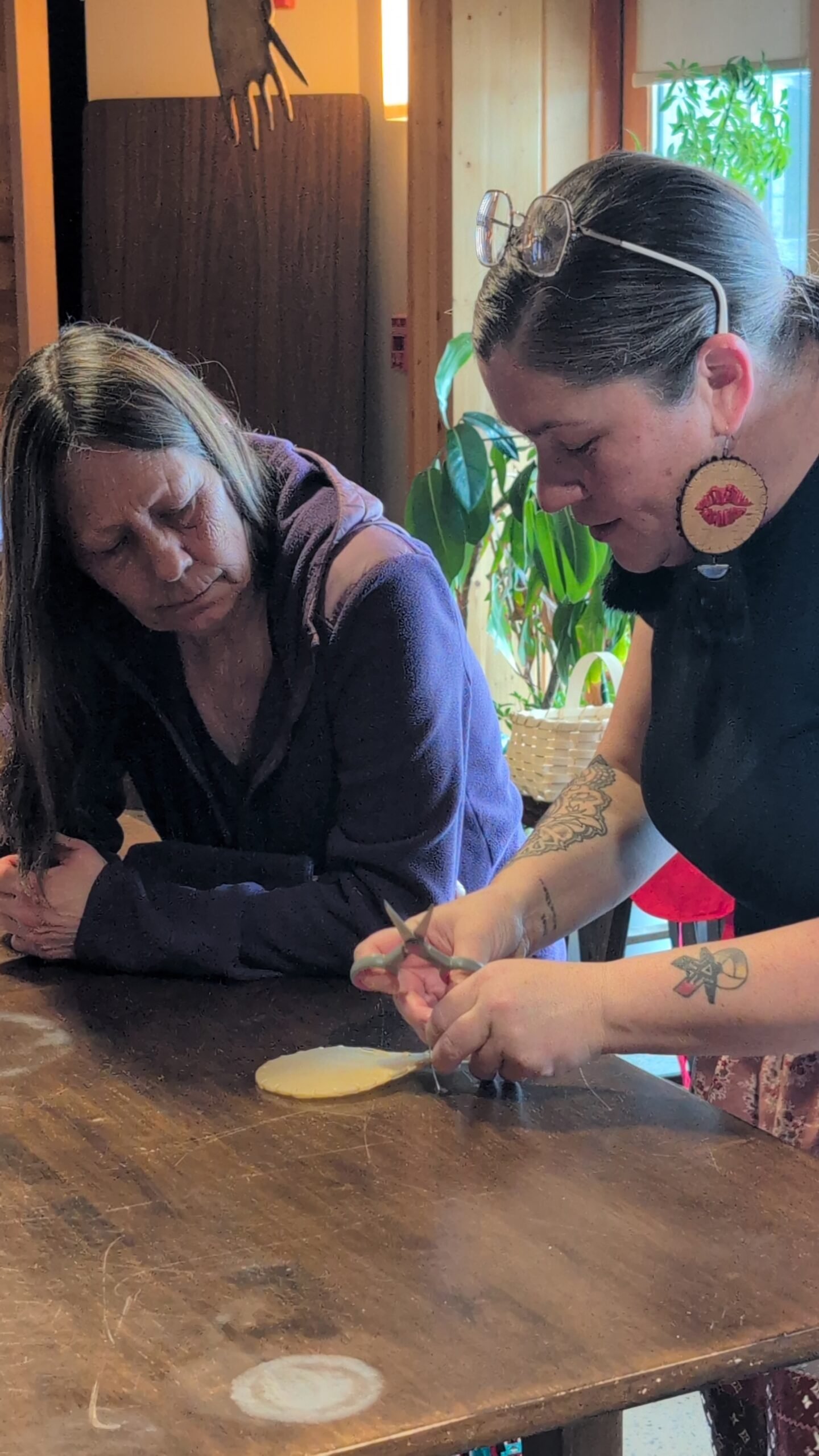
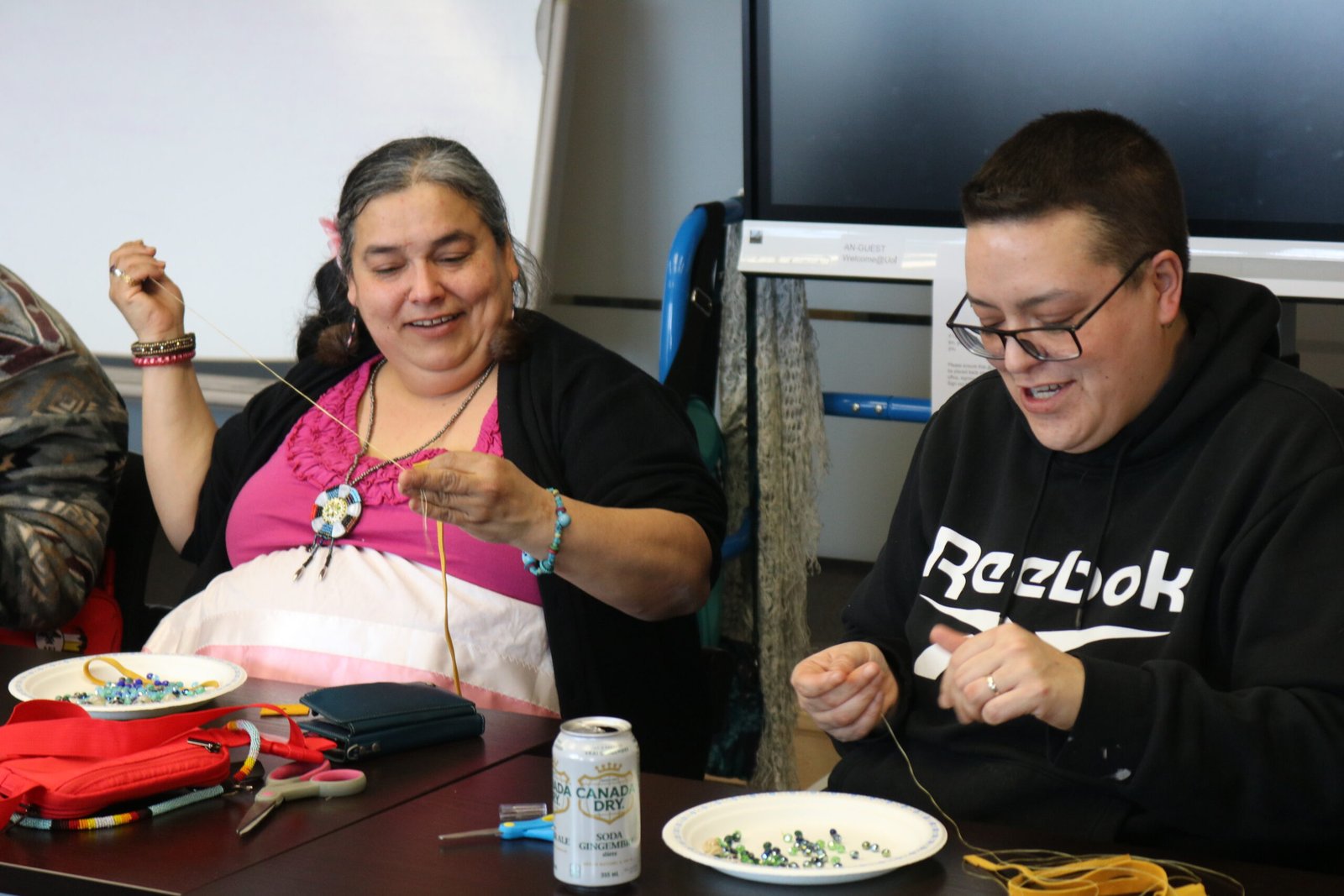
Participants also engaged in medicine‑making with Brenda Roberts, who taught about the medicinal properties of mullein and guided participants through the process of making a respiratory salve to take home. Kimberly White led participants through ash basket weaving, sharing both technical skills and cultural context connected to working with ash. Sam Stevens supported participants in creating their own rattles for their bundles, while Jules Armstrong guided an evening activity where participants painted aprons using Ojibwe floral patterns.
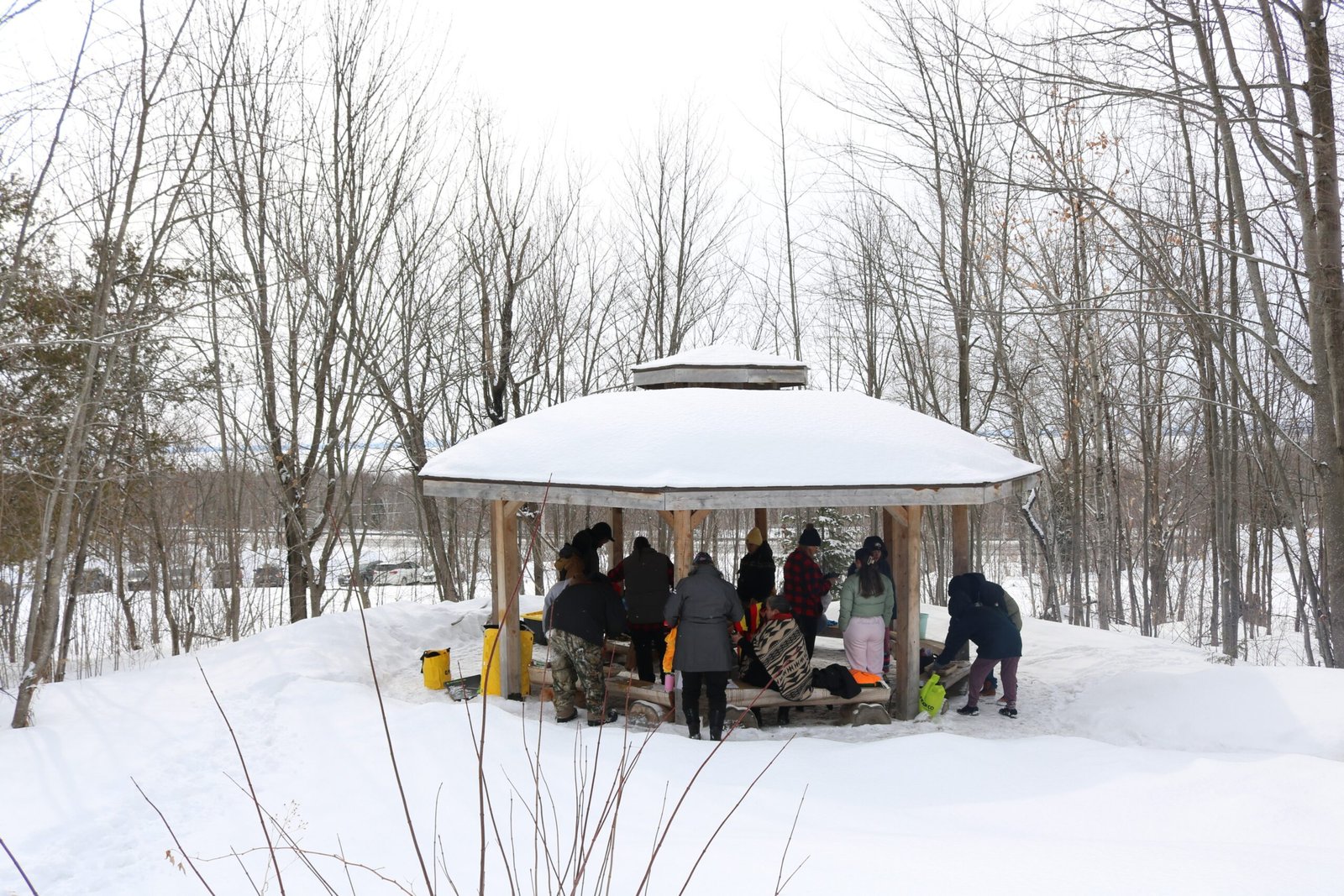
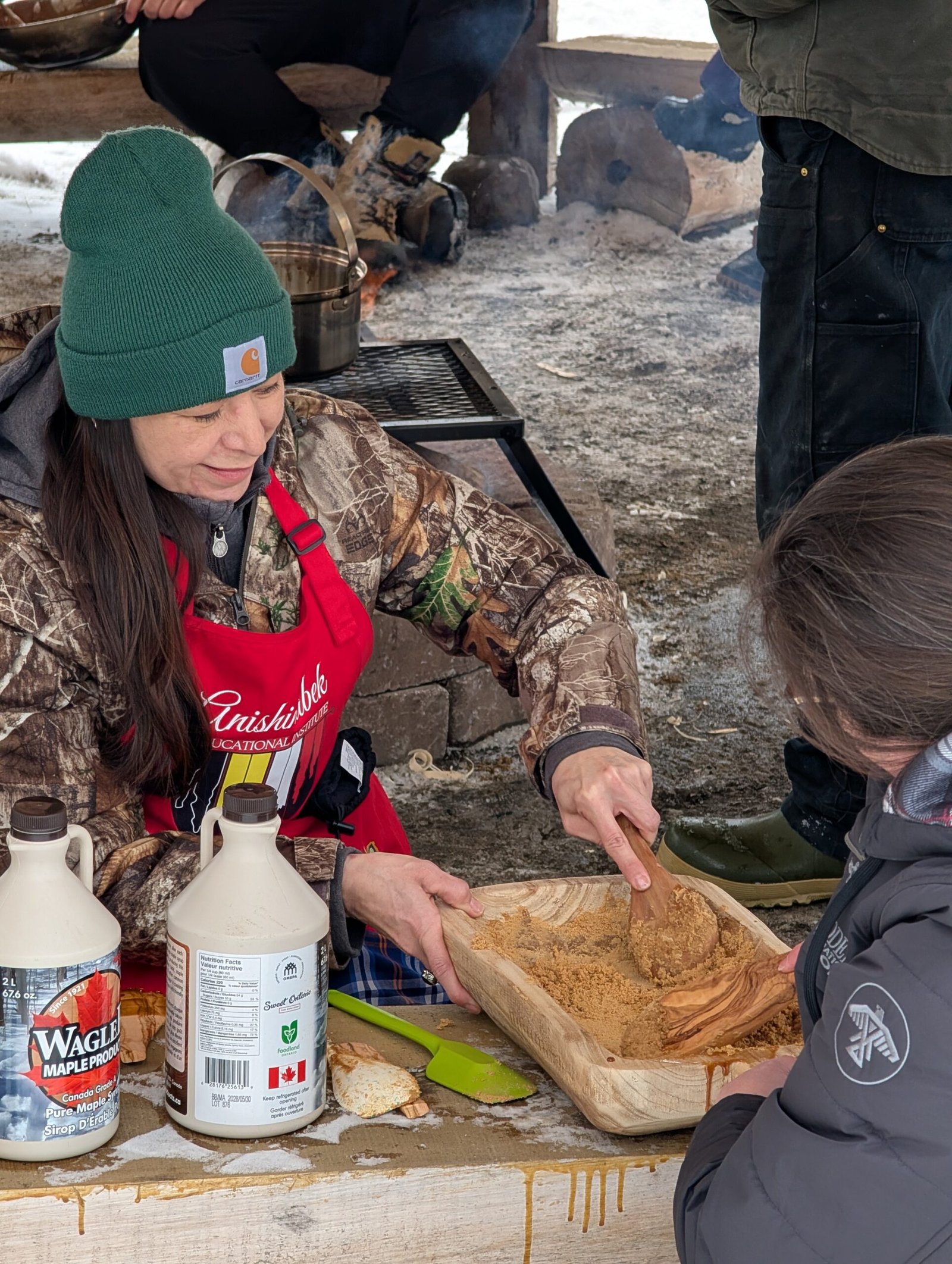
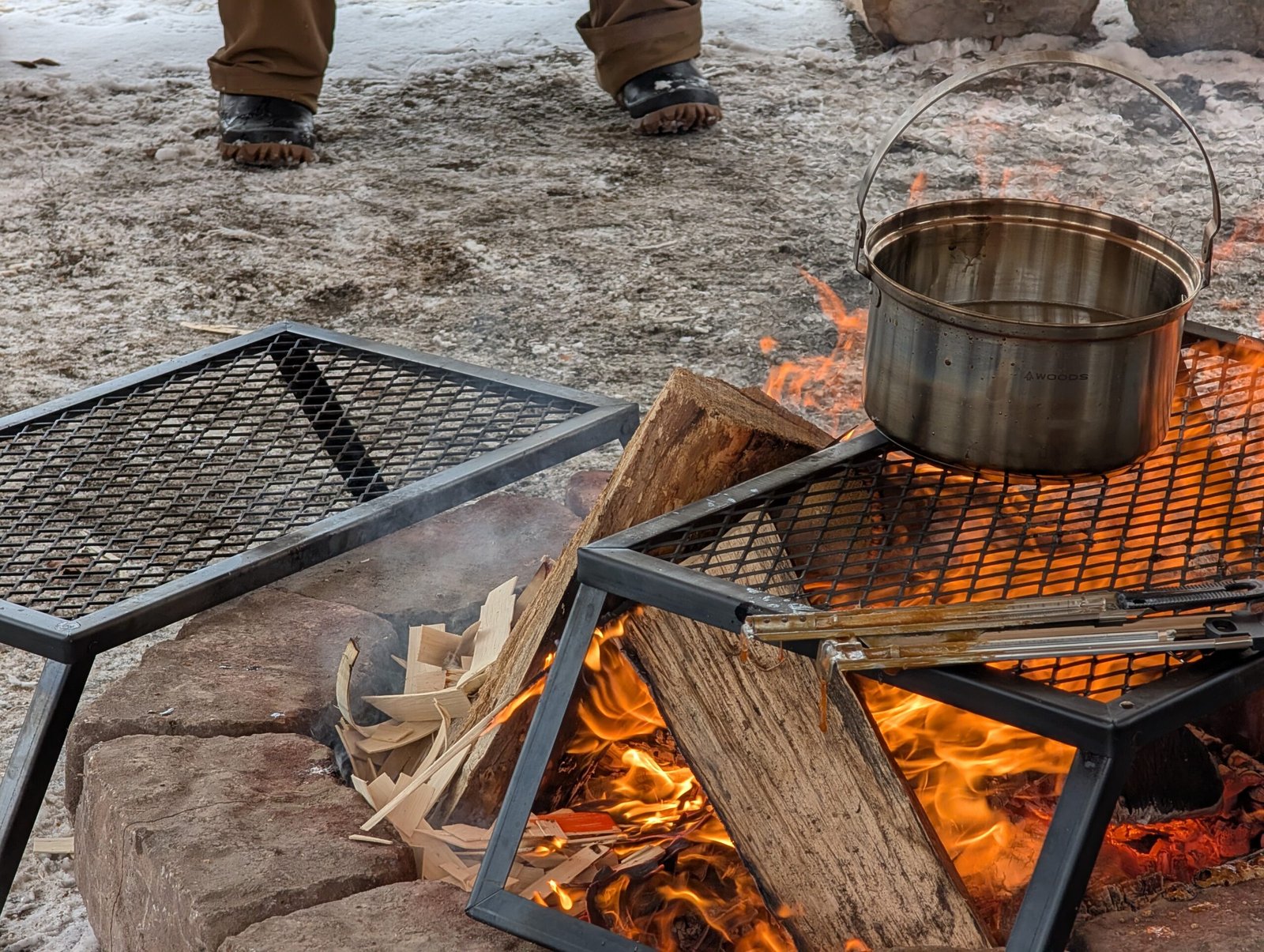
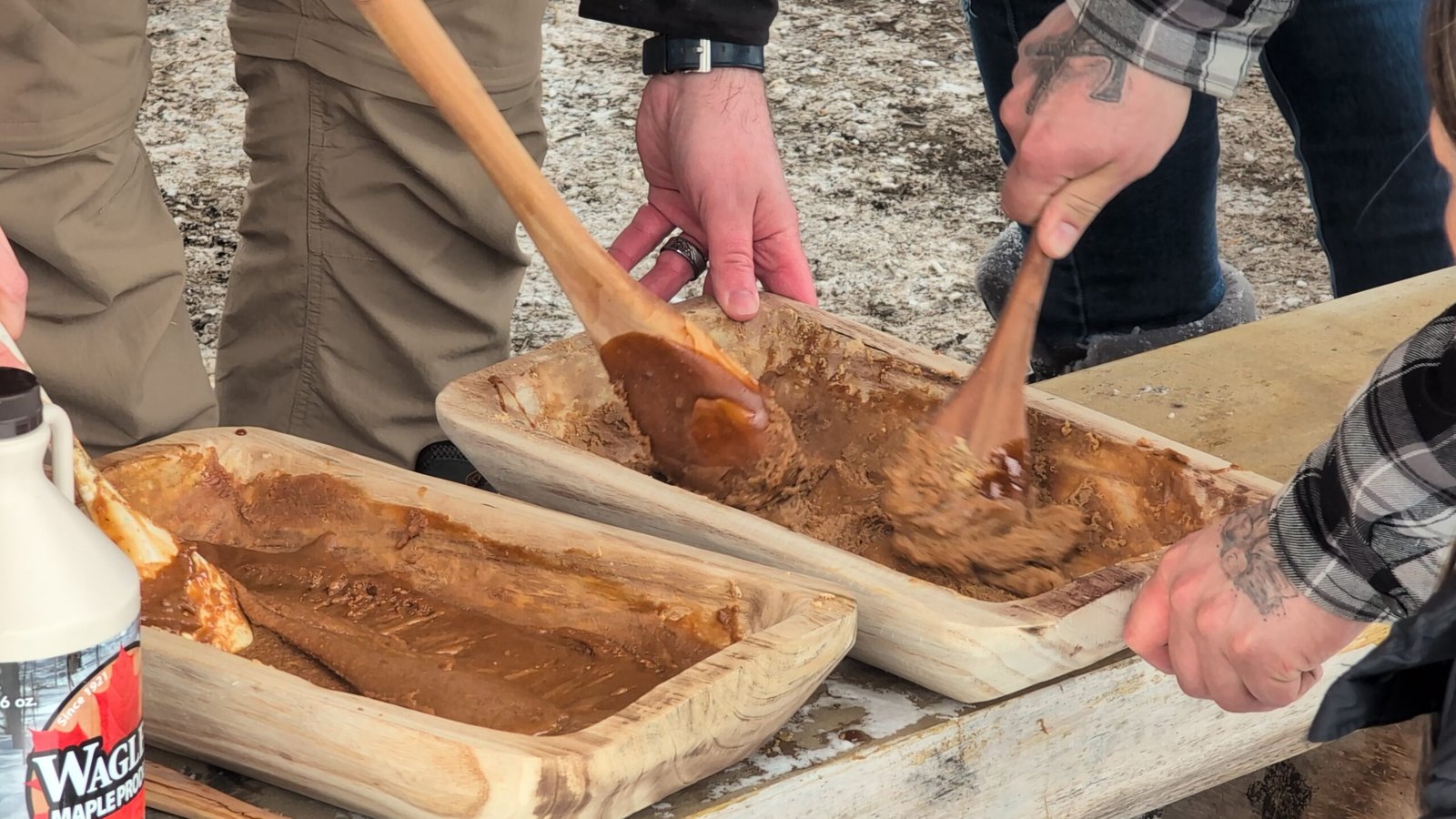
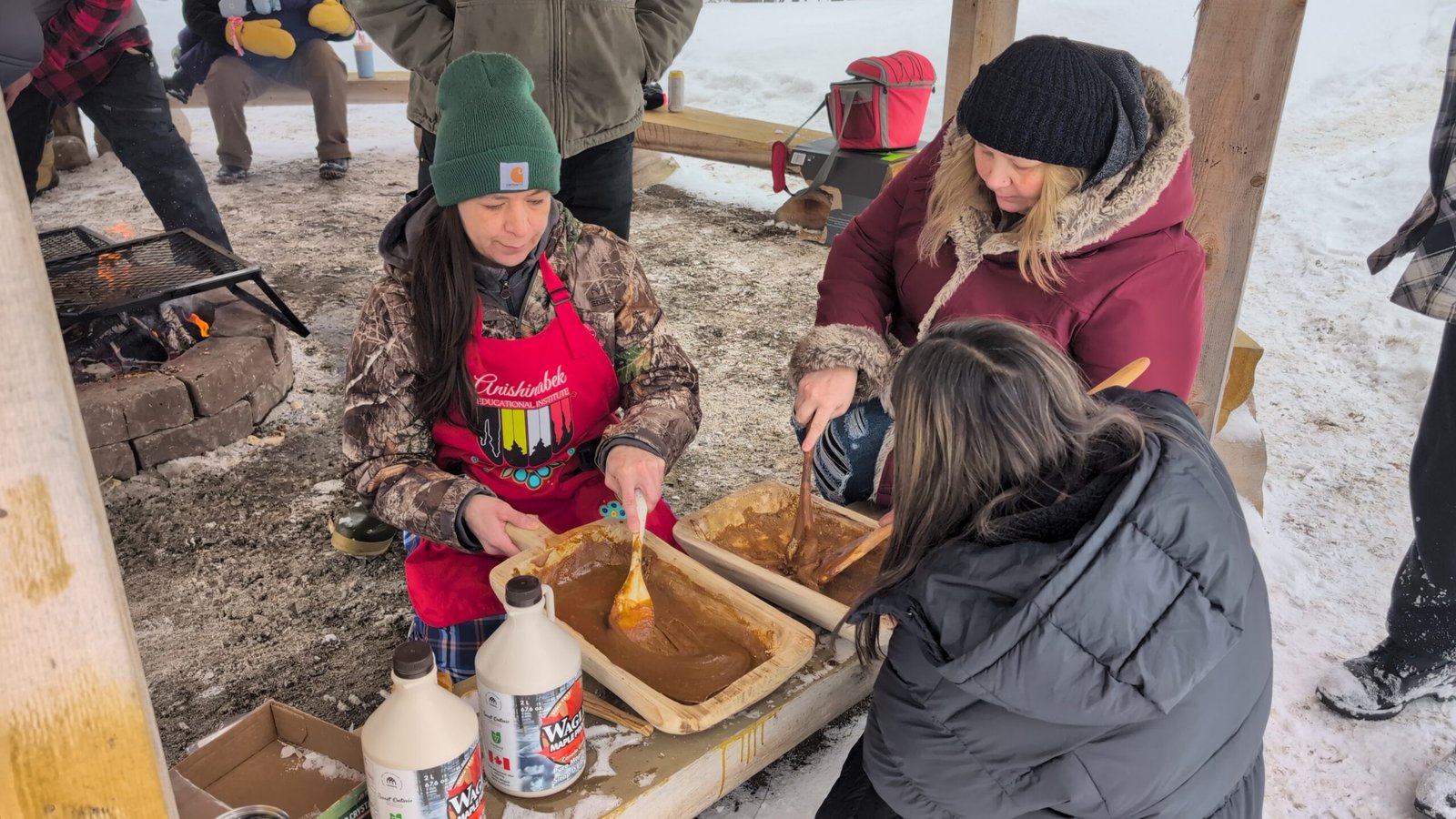
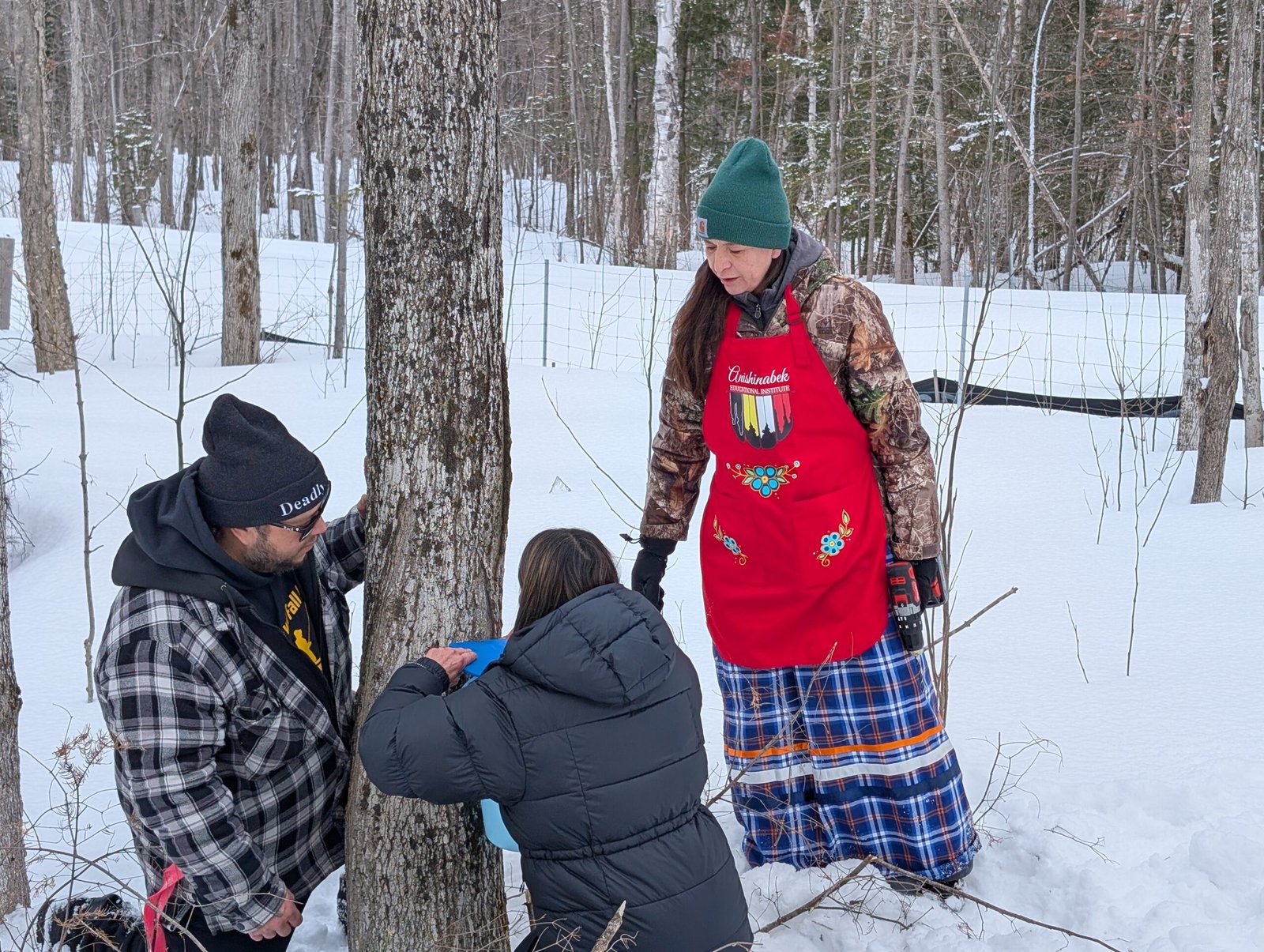
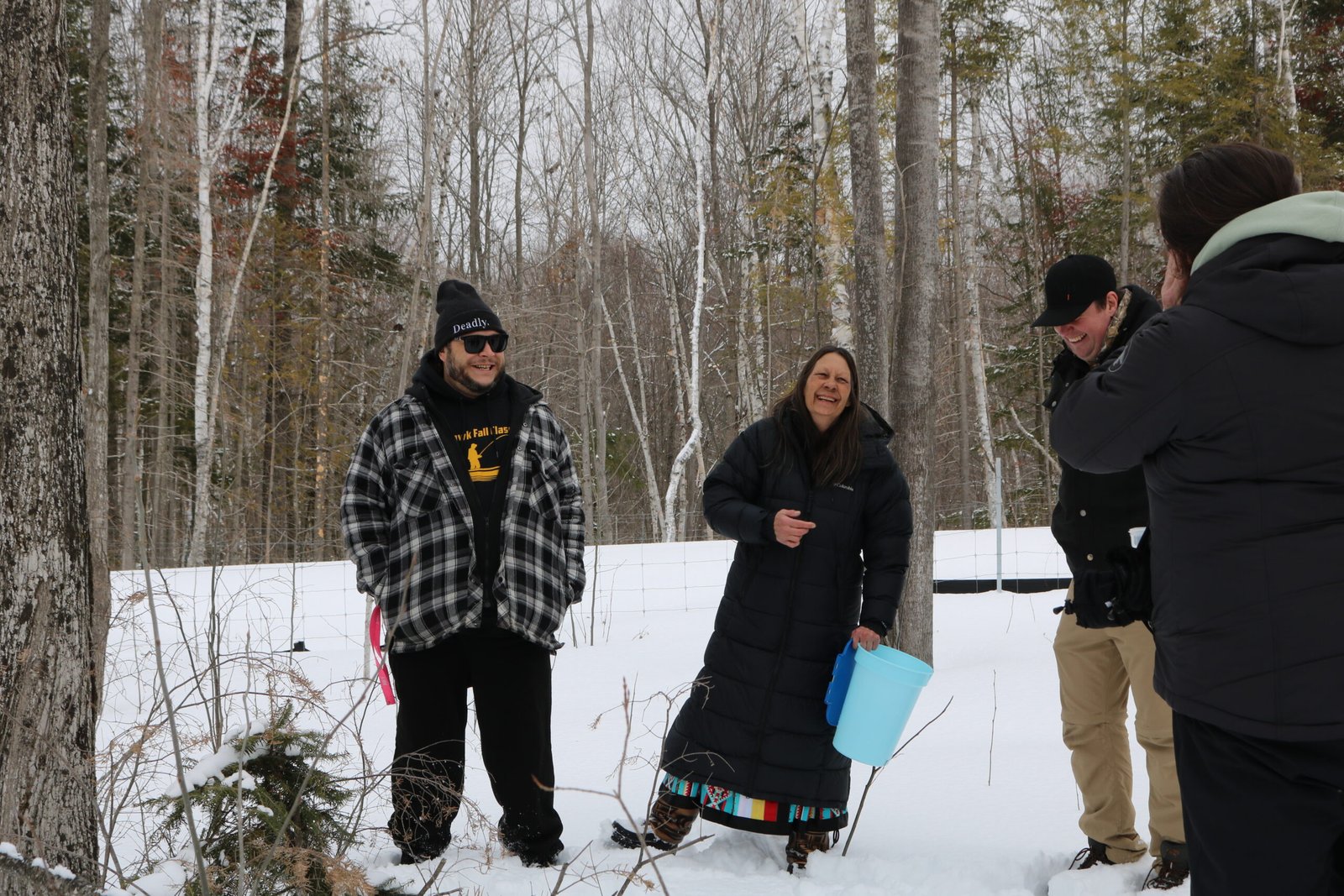
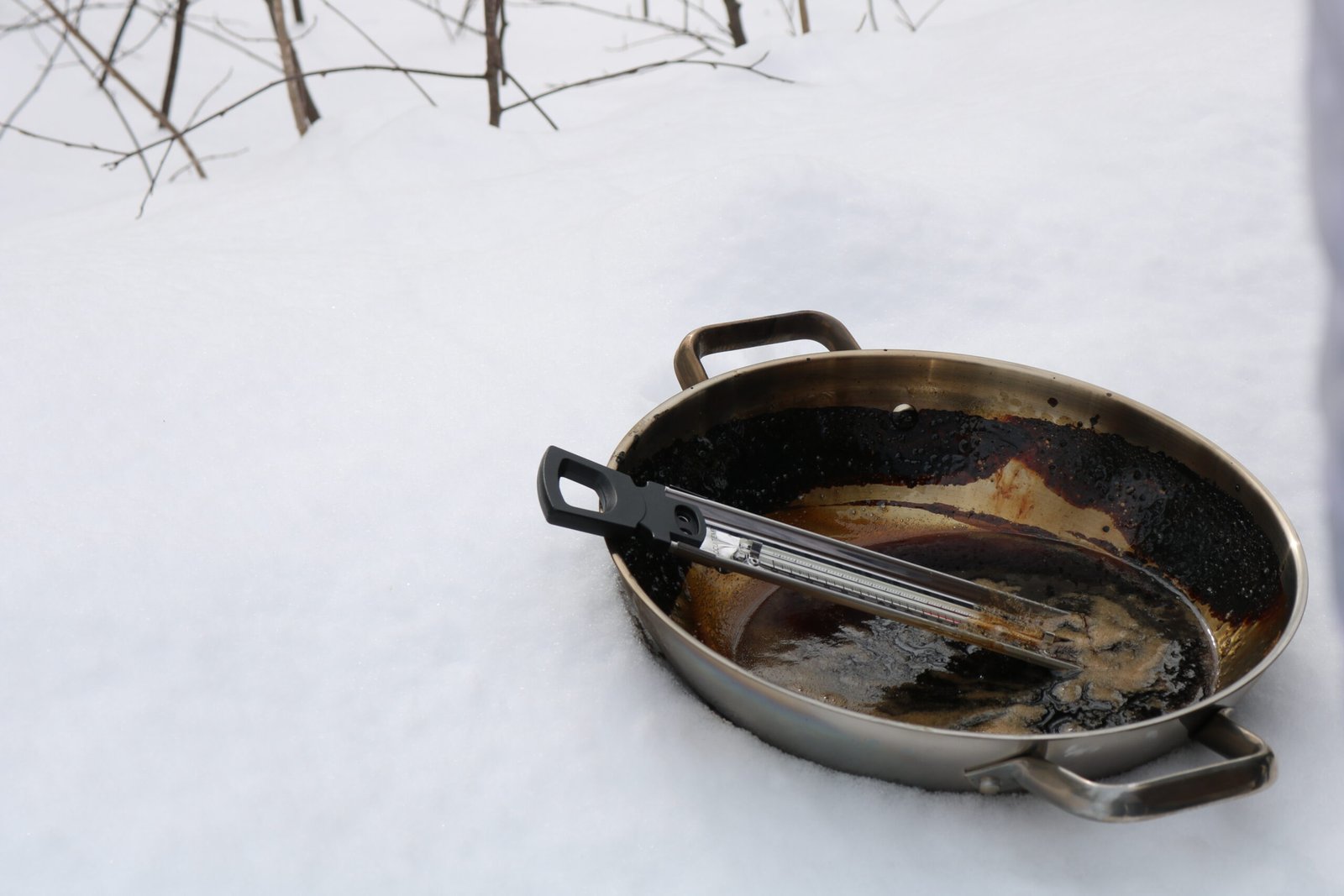
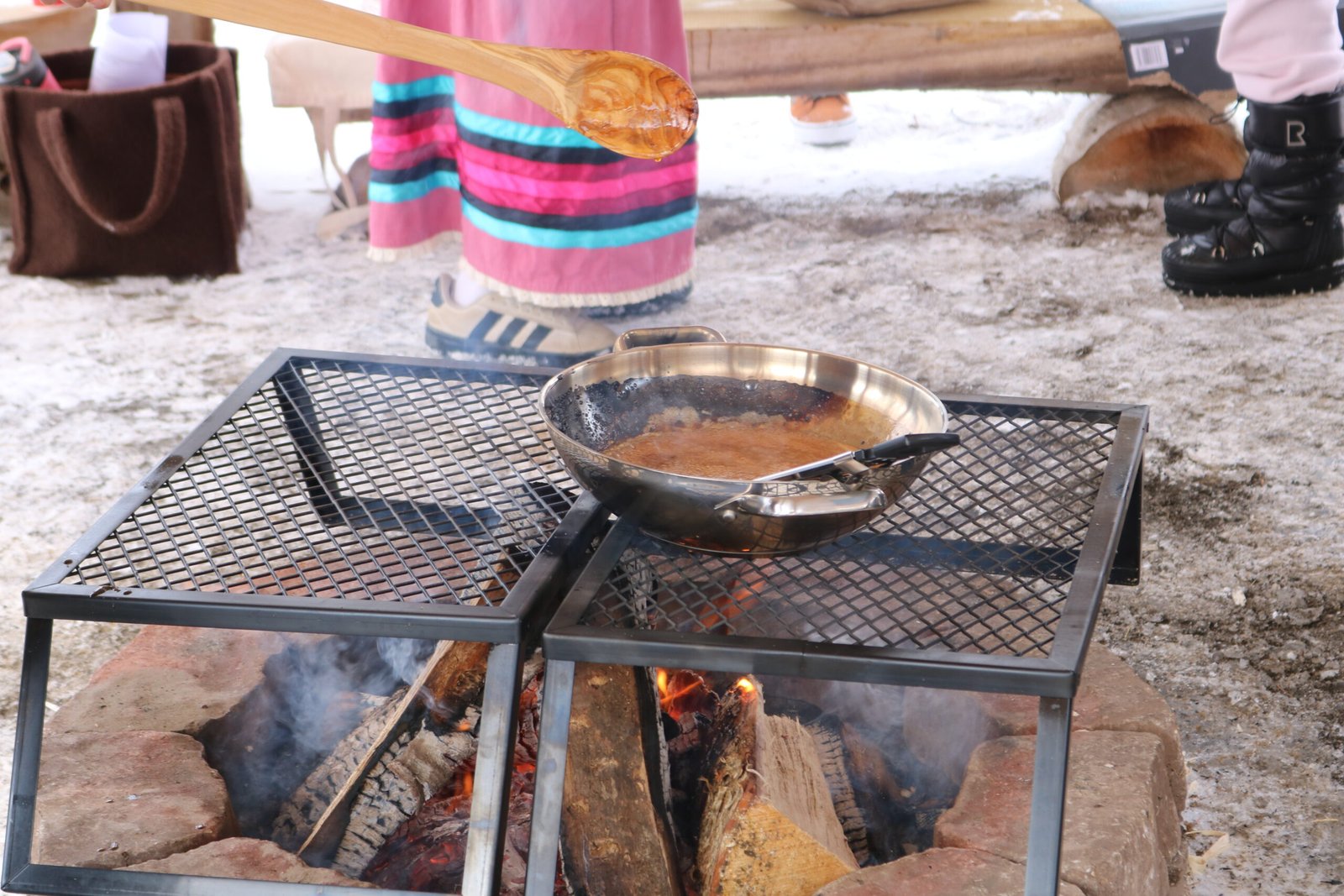
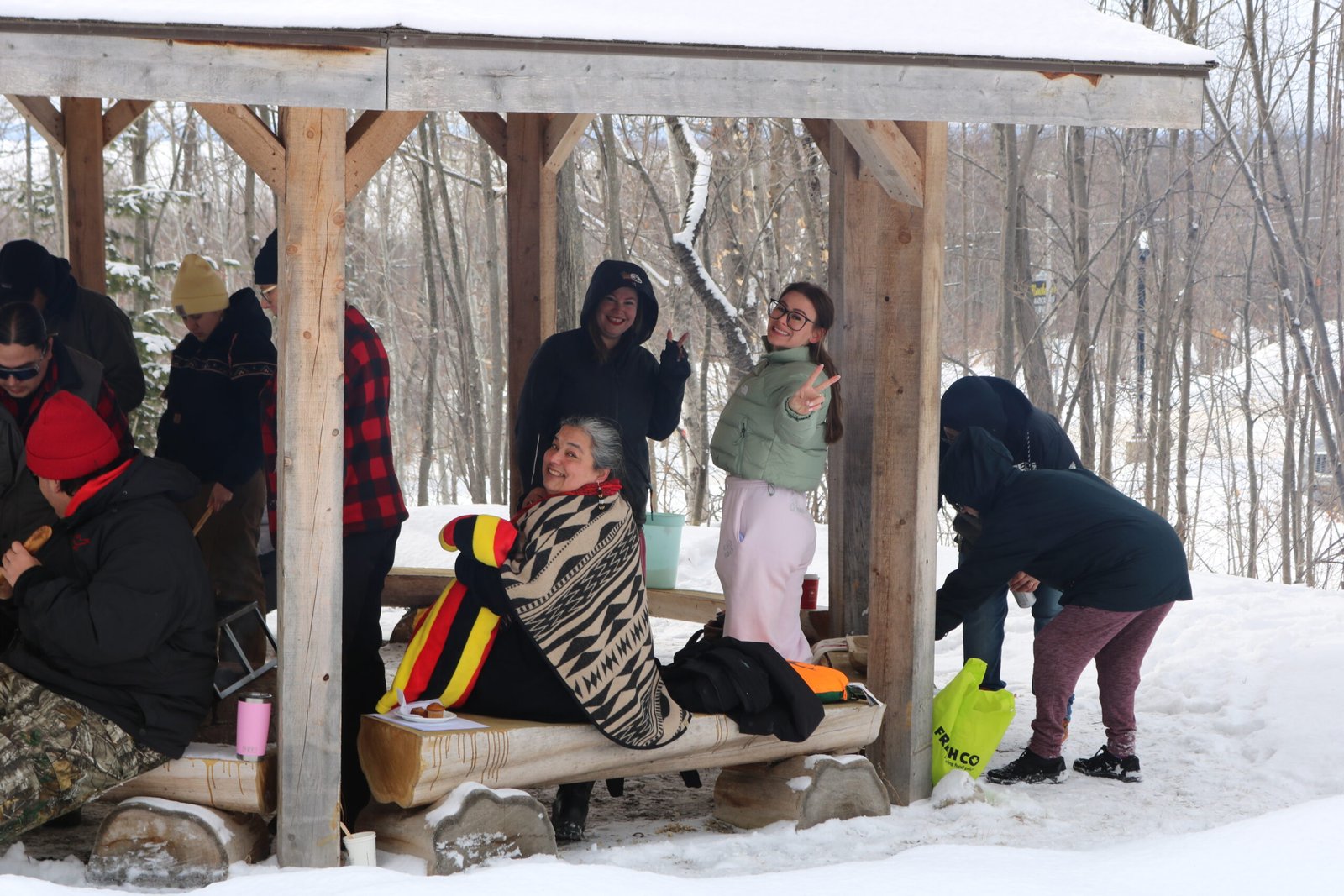
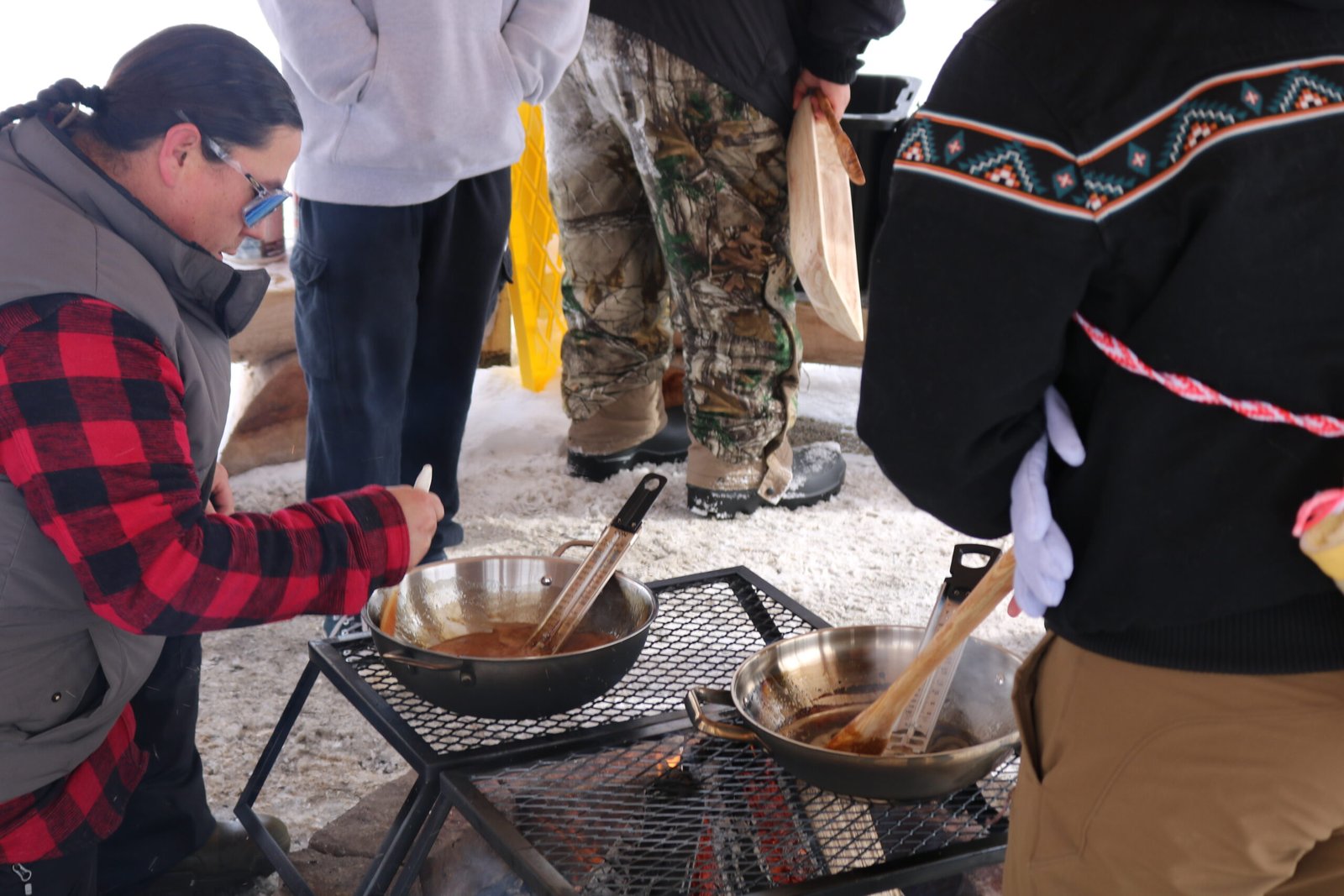
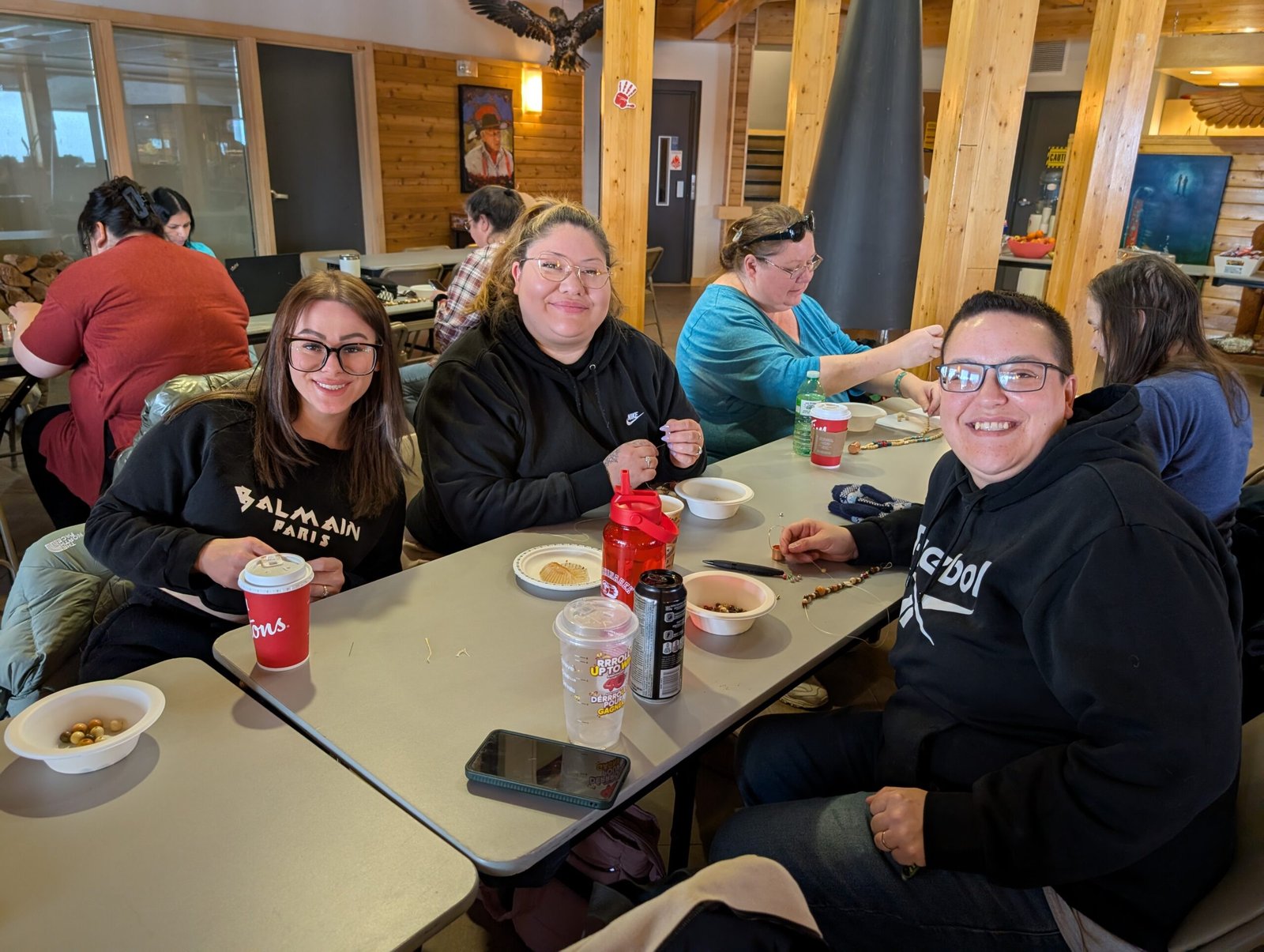
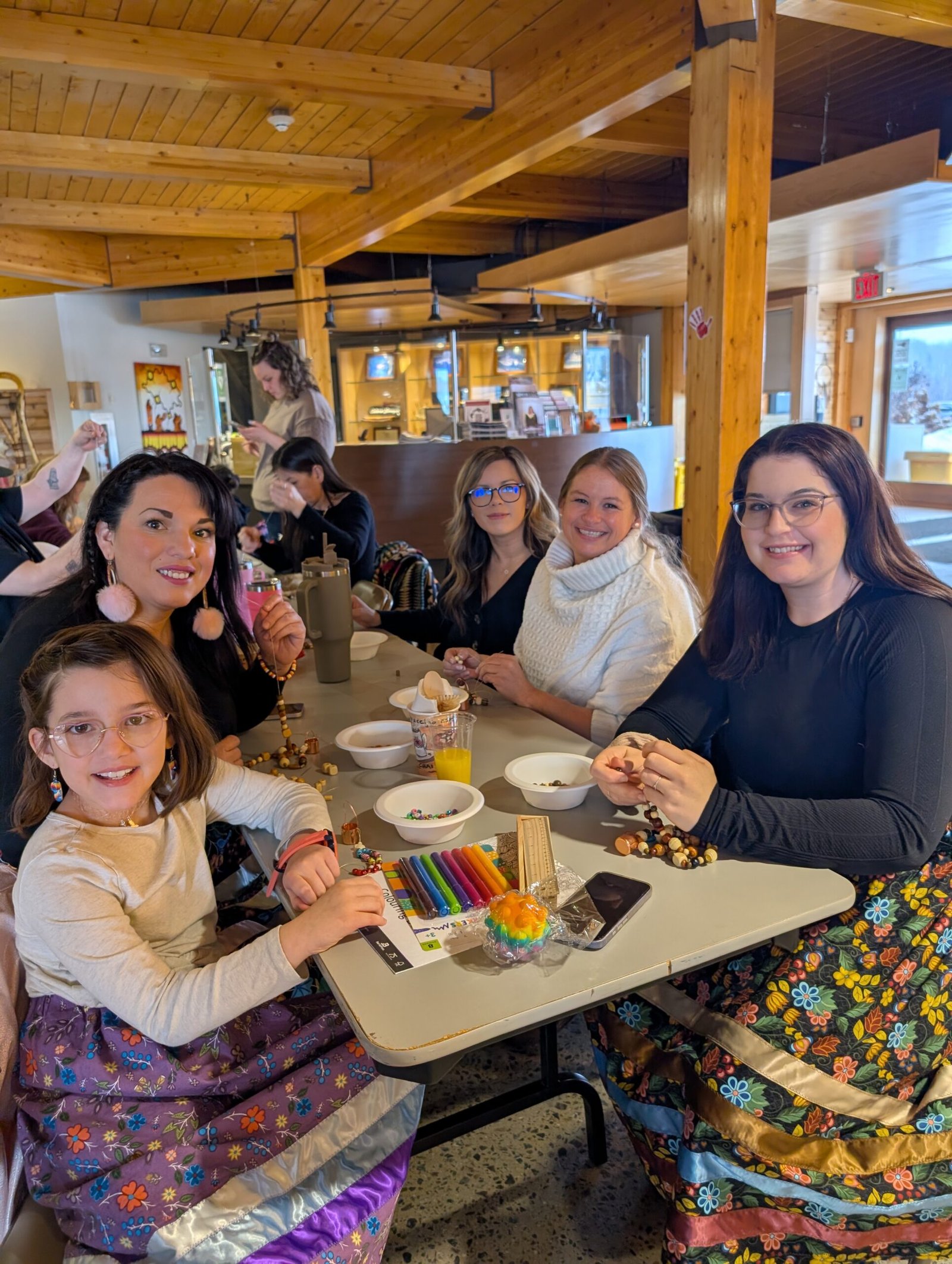
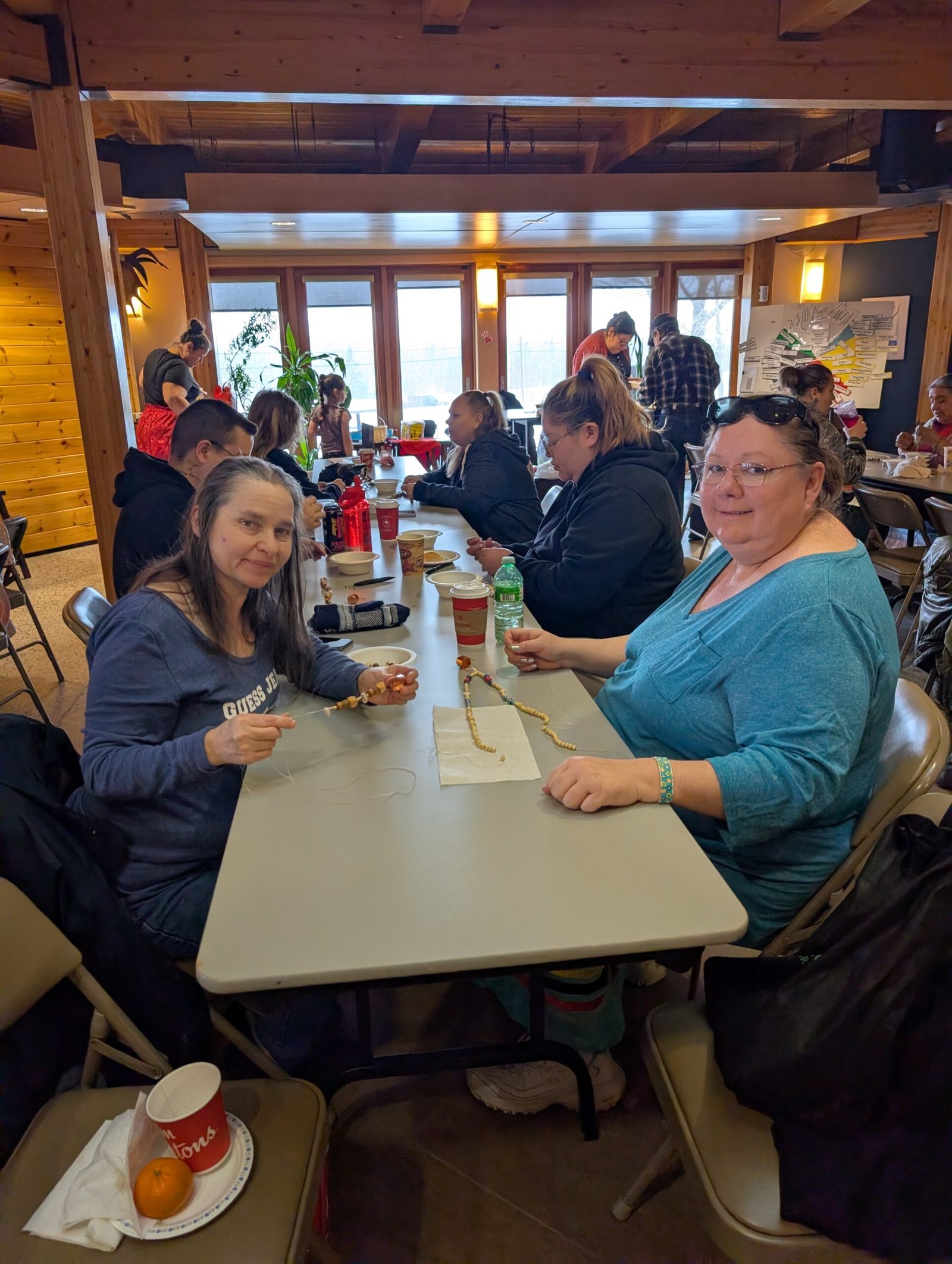
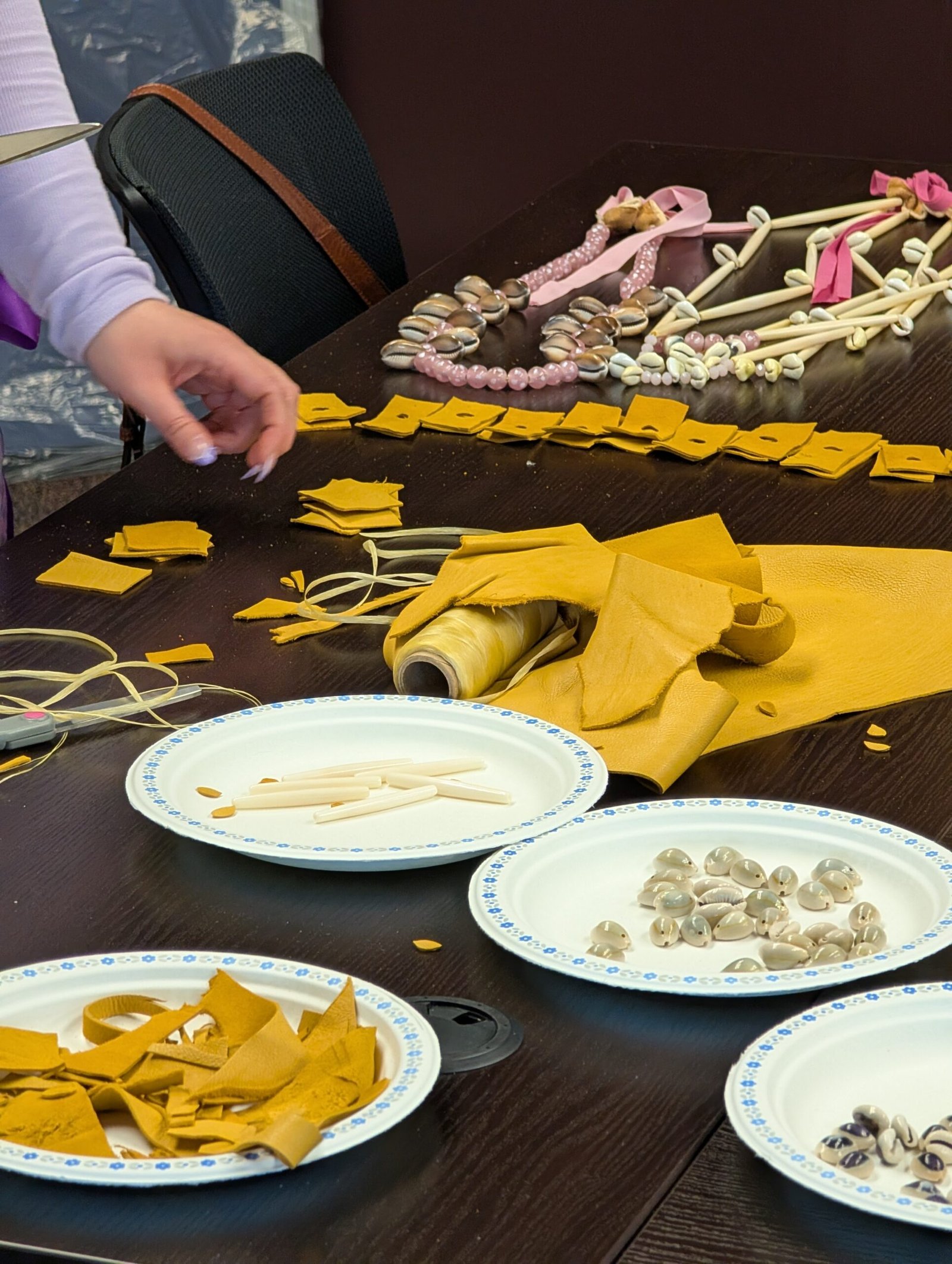
Land‑based activities included tree tapping, led by Laura Liberty and Tory Fisher, who took participants out onto the land to learn about harvesting sap in the spring. While participants were tapping trees, Tory Fisher demonstrated how to make maple butter over the fire, guiding learners through the process from start to finish. AEI alumni and instructor Kelsey Borgford also joined the camp to teach participants how to create bone necklaces, highlighting the importance of making and carrying personal items with intention.
A significant milestone for the camp this year was the formal adoption of an Indigenous language name. Through outreach to the Anishinabek Nation’s Anishinaabemowin Department, AEI worked with Anishinaabemowin Commissioner Barbara Nolan to select a name that reflected cultural accuracy and intent. Rather than using a direct translation of “Spring Medicine Camp,” the name Ziigwang Mshkikiikeng was chosen. The phrase translates more closely to “Getting Medicine in the Spring.” As Nolan explained, within the language the word camp is not required, as “it is understood that’s when you get or work with the medicine.” This naming reflects AEI’s ongoing commitment to language revitalization, cultural continuity, and land‑based education.
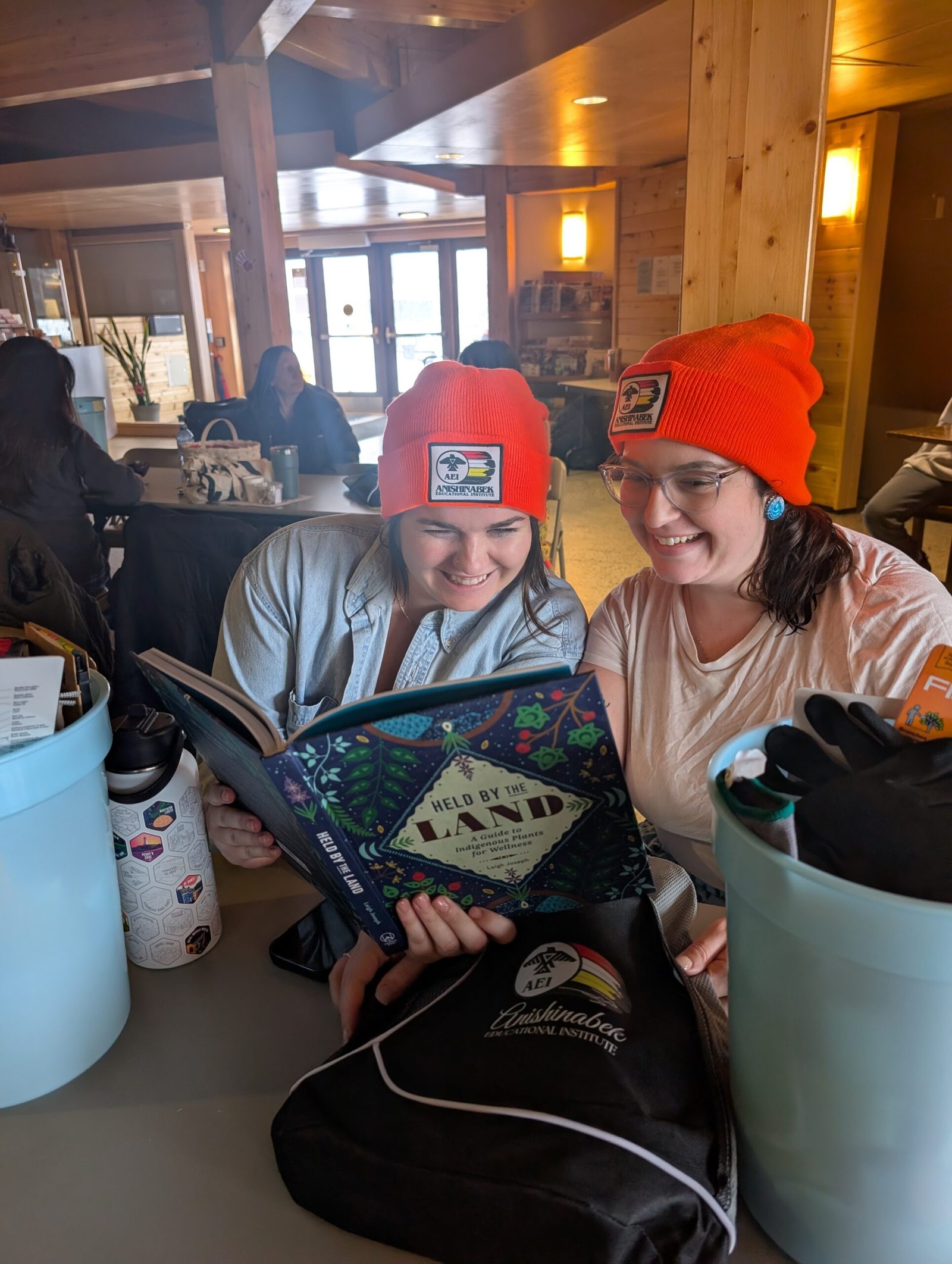
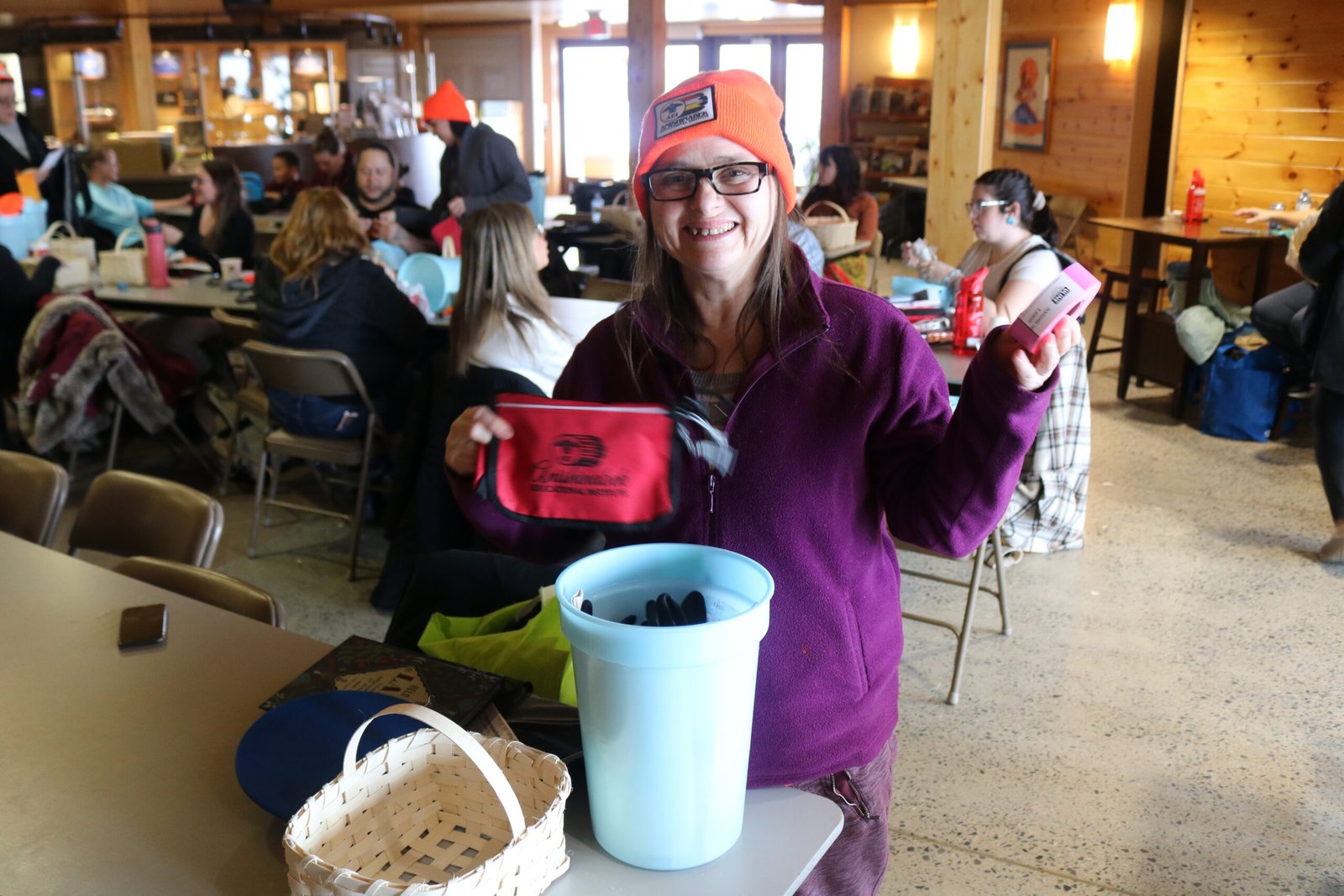
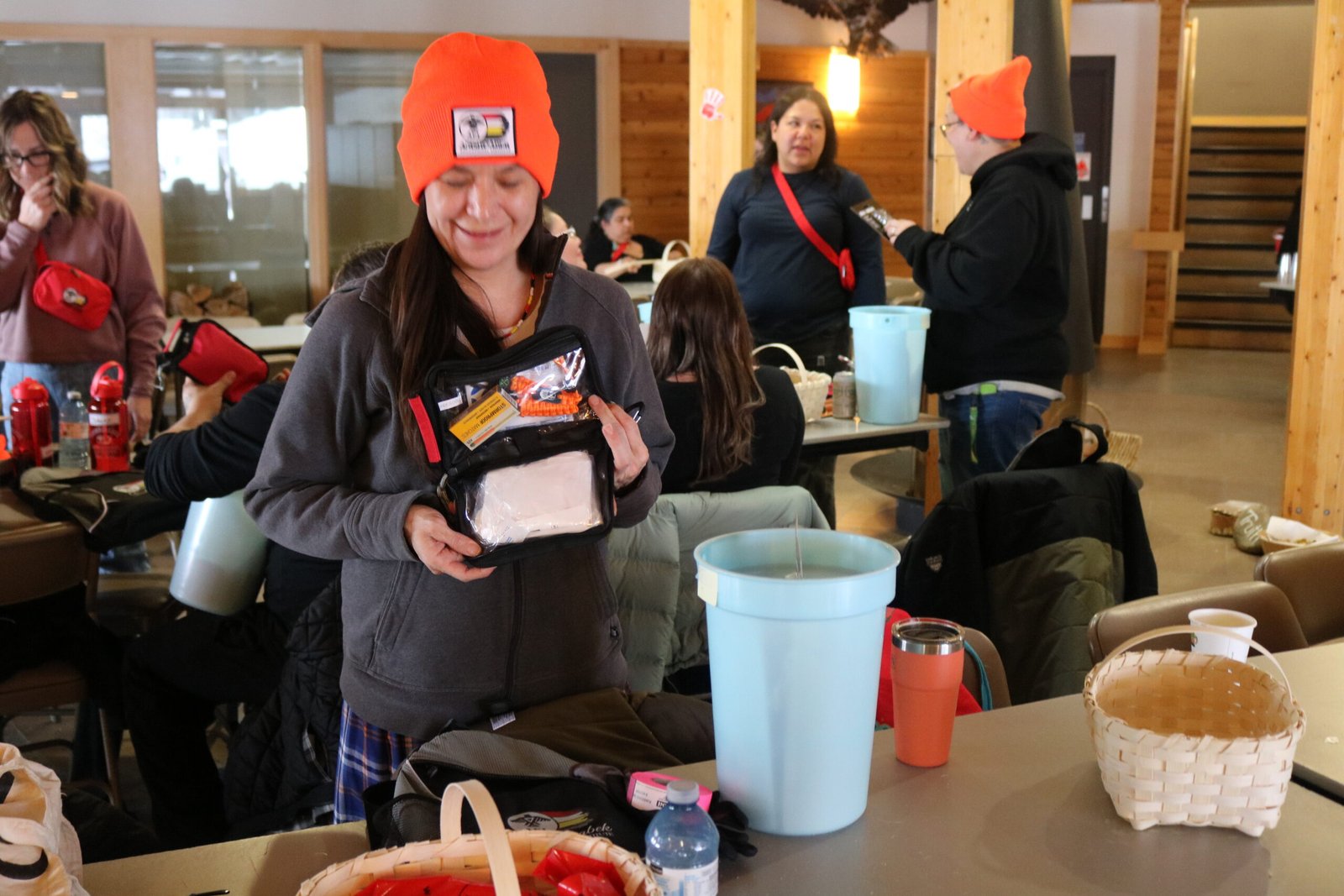
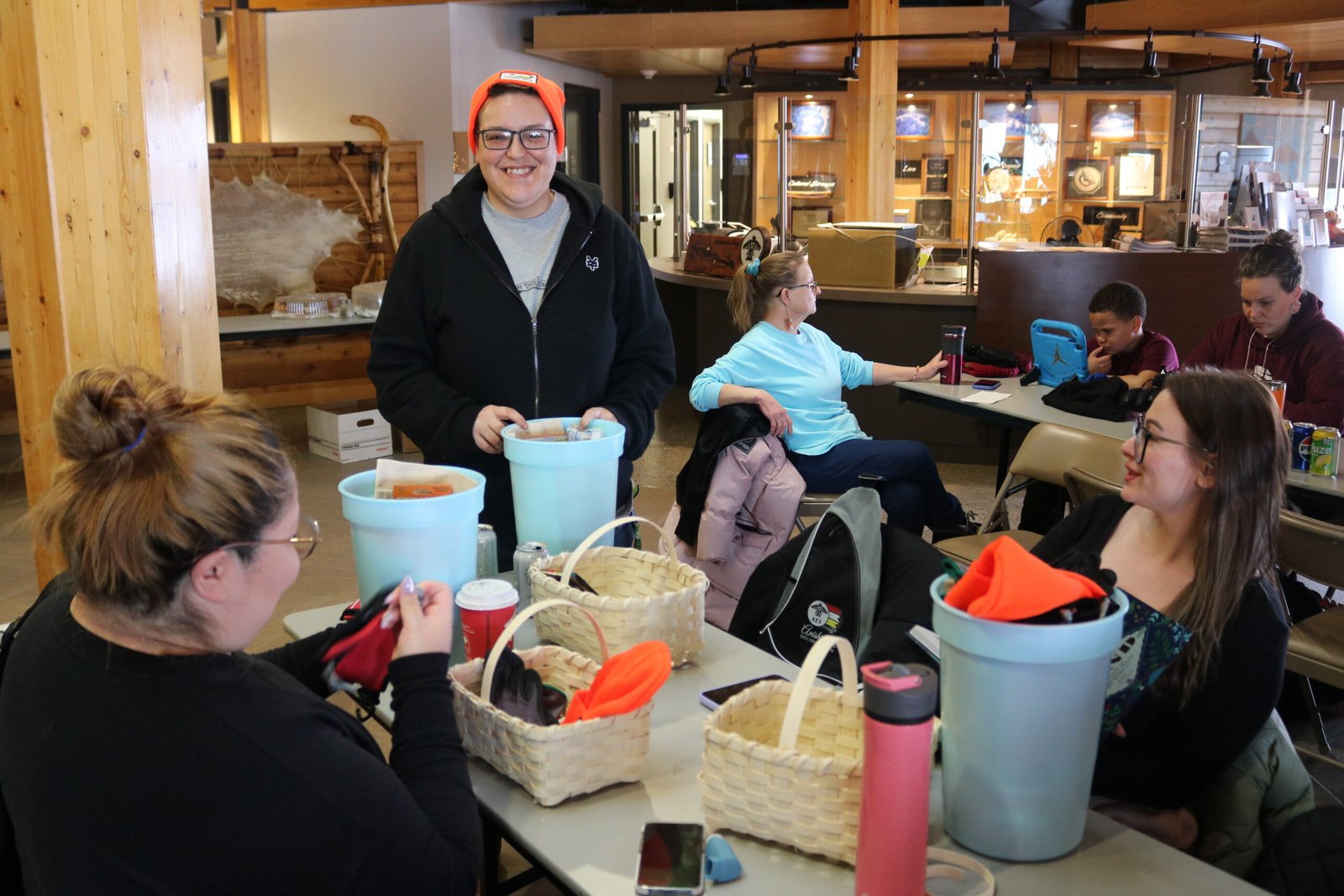
In addition to teachings and skill‑building, participants were supported through moments of rest and care. Learners took part in a cedar foot bath, created personalized foot soaks to take home, and received land‑based learning kits to support continued learning beyond the camp.
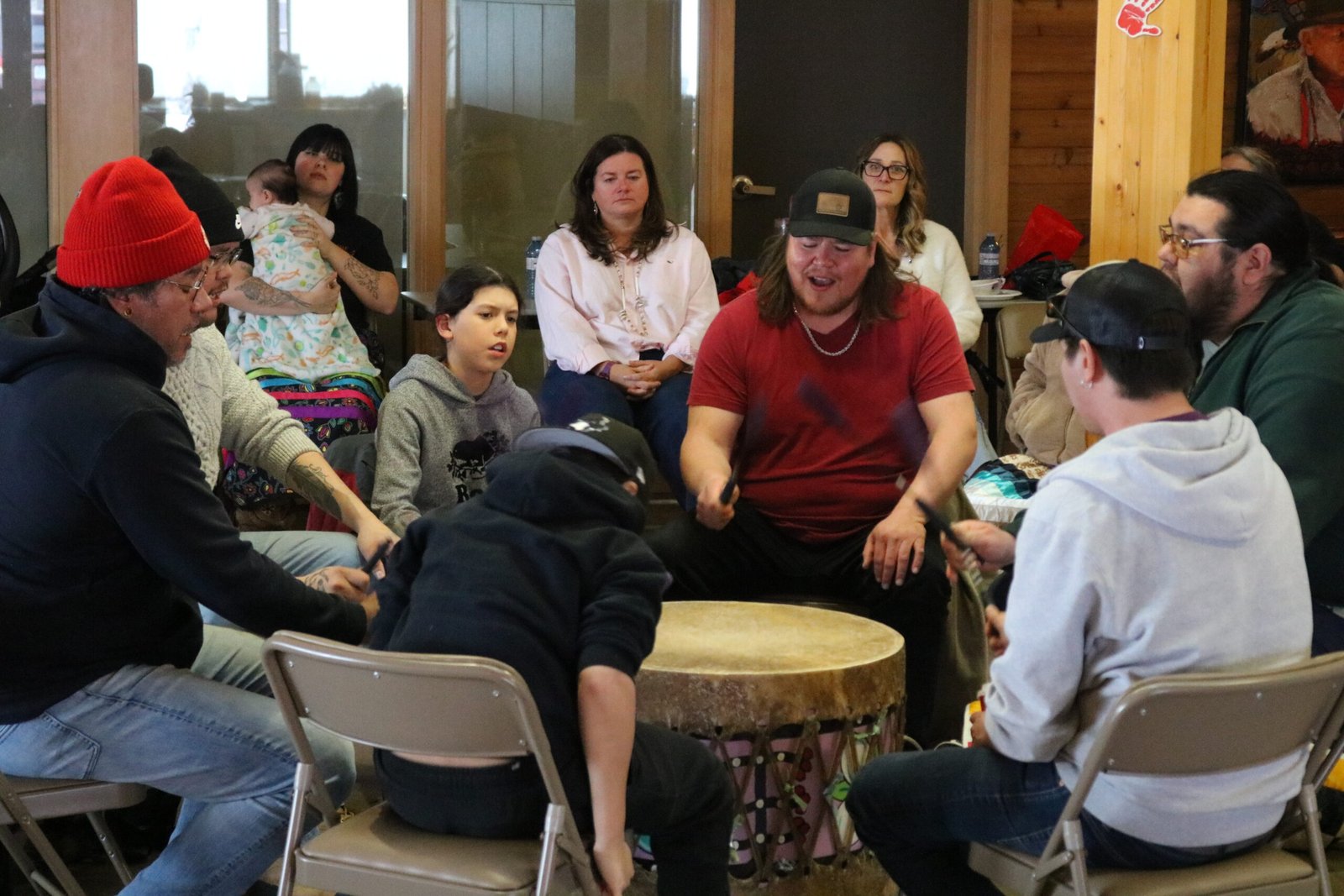
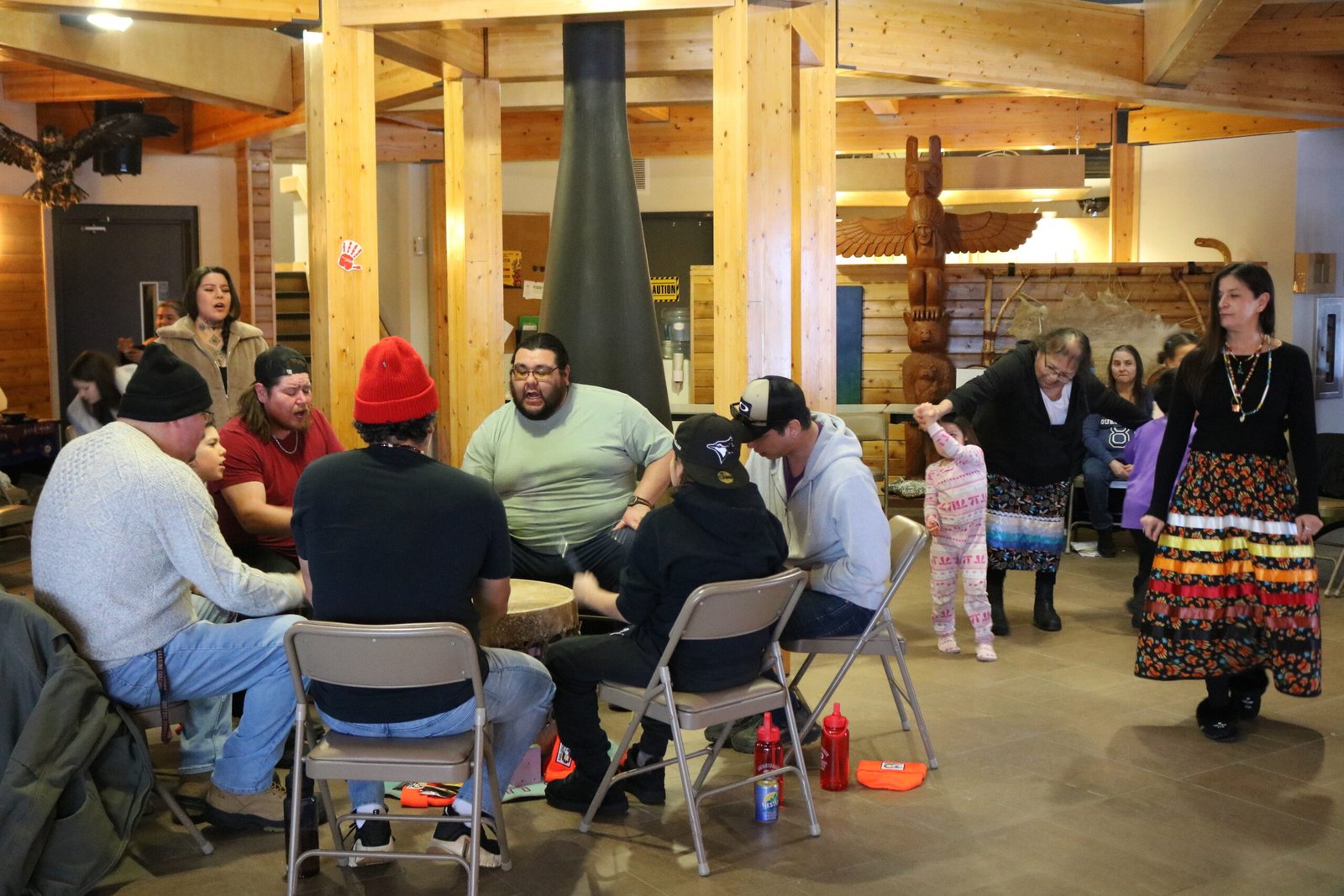
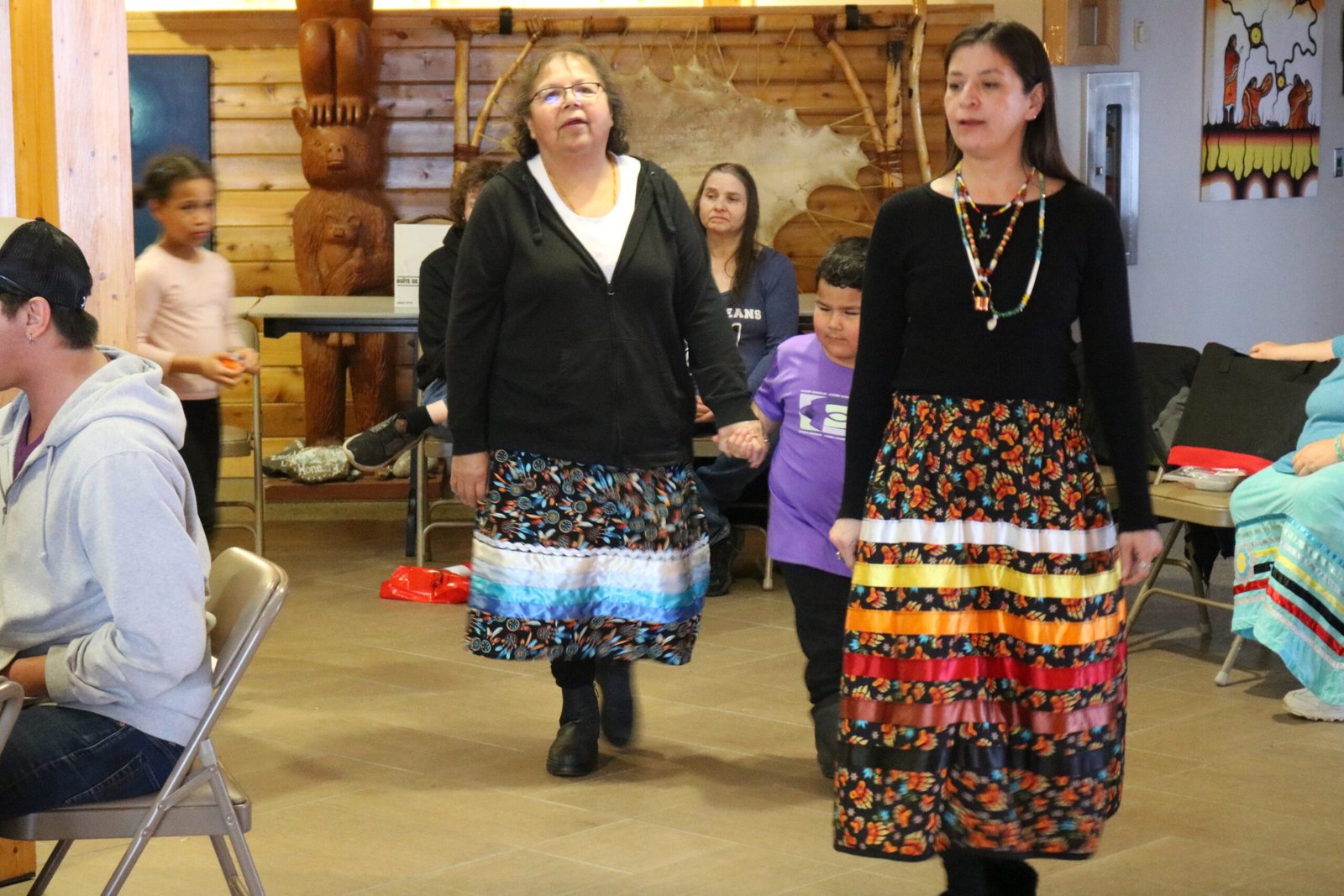
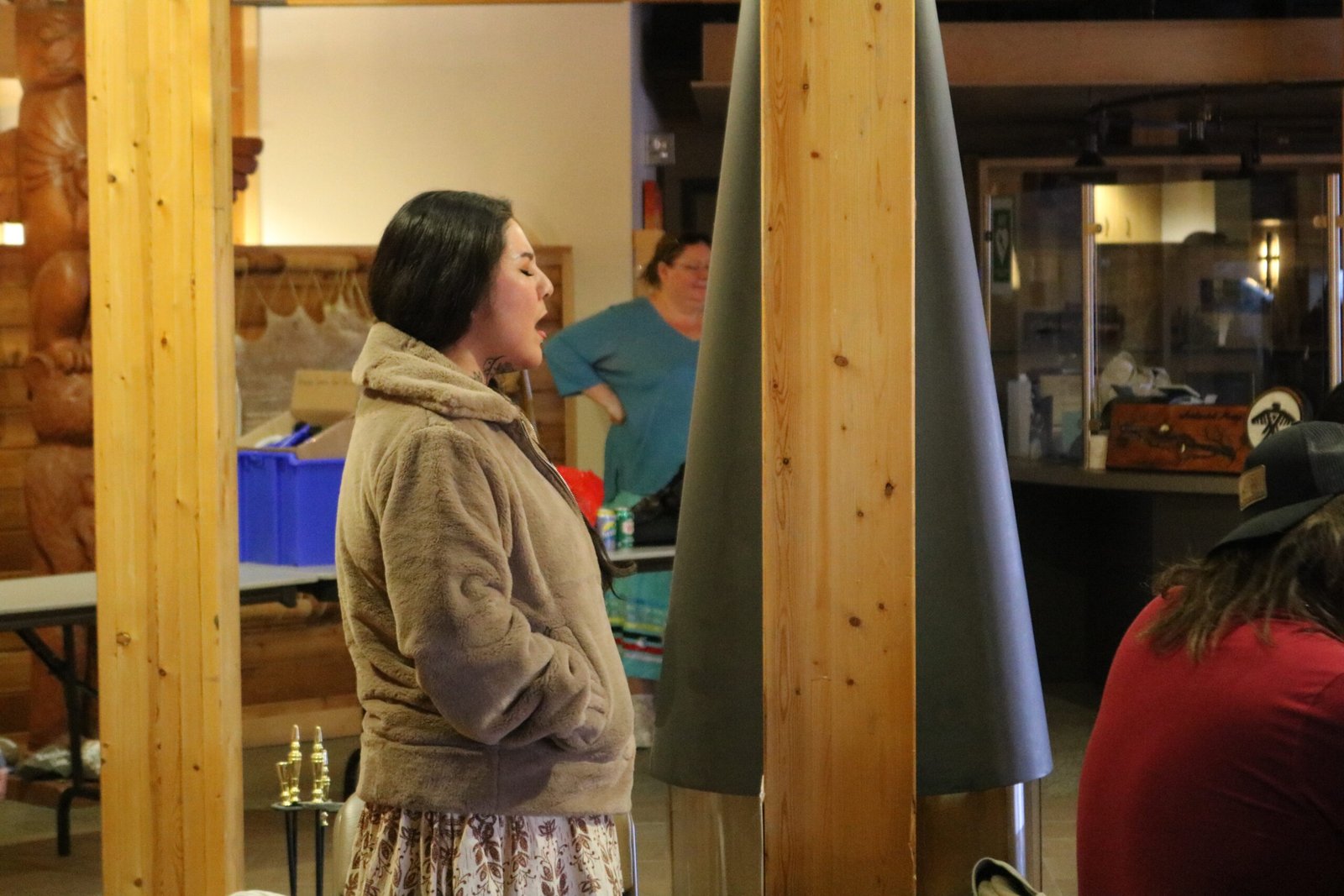
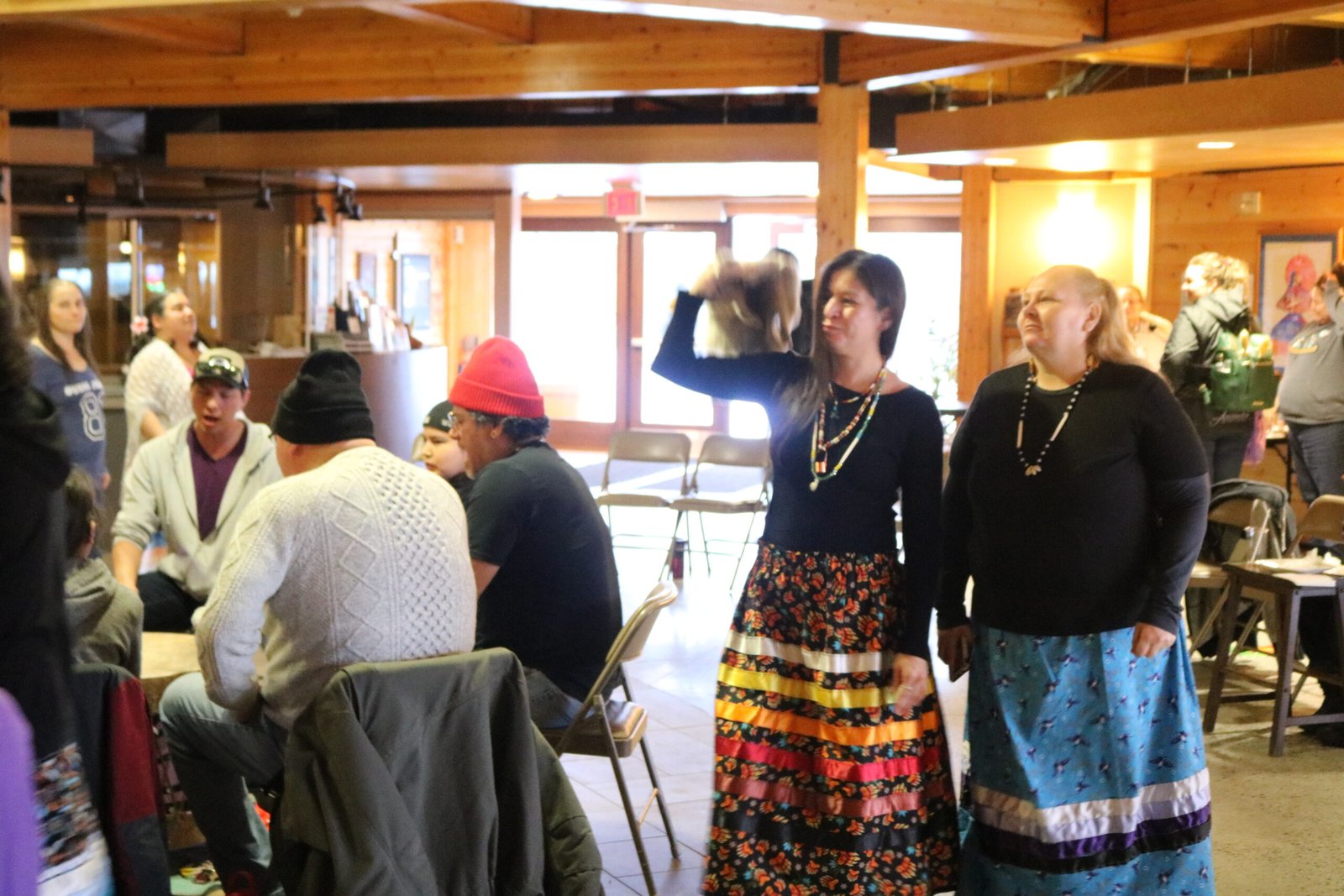
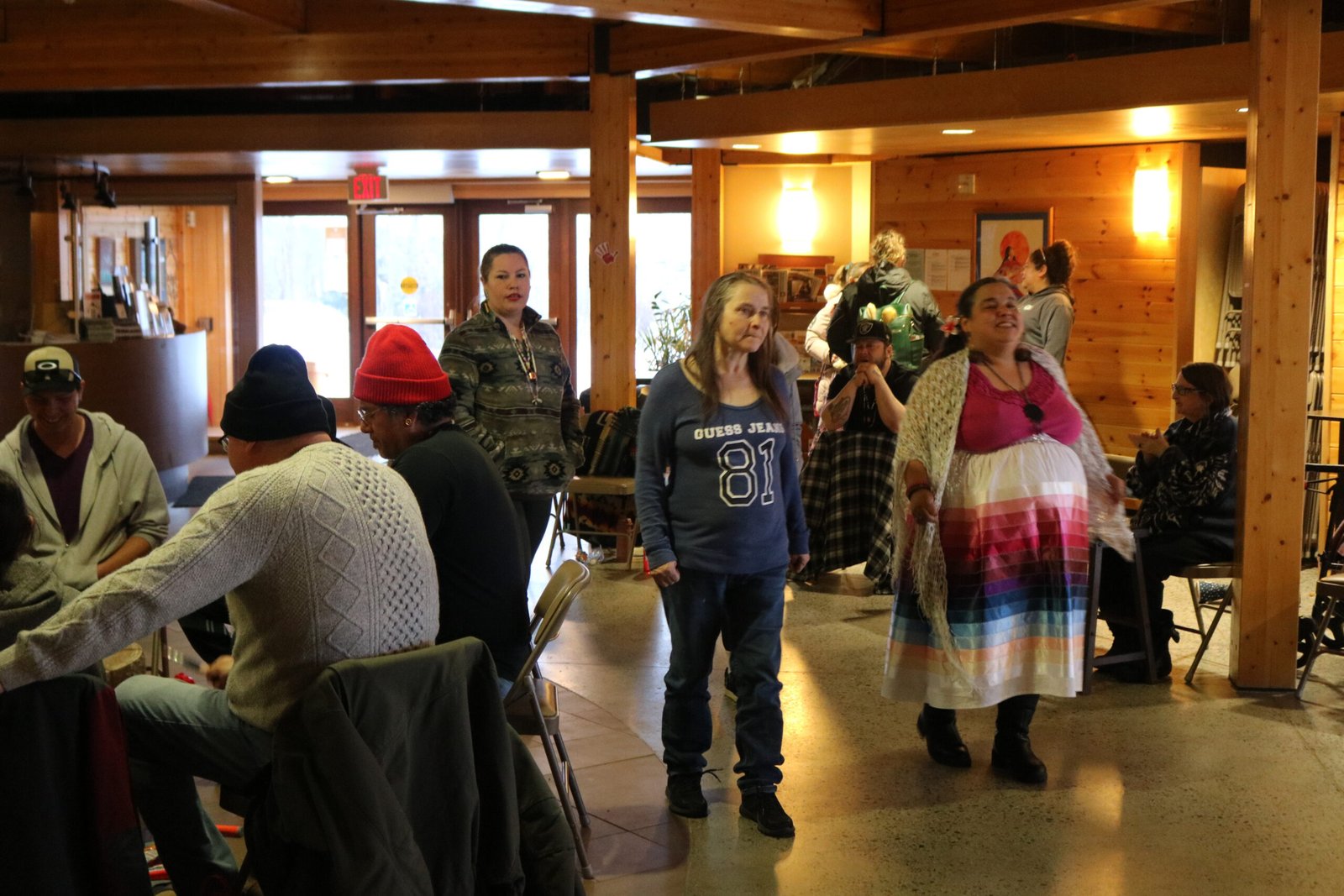
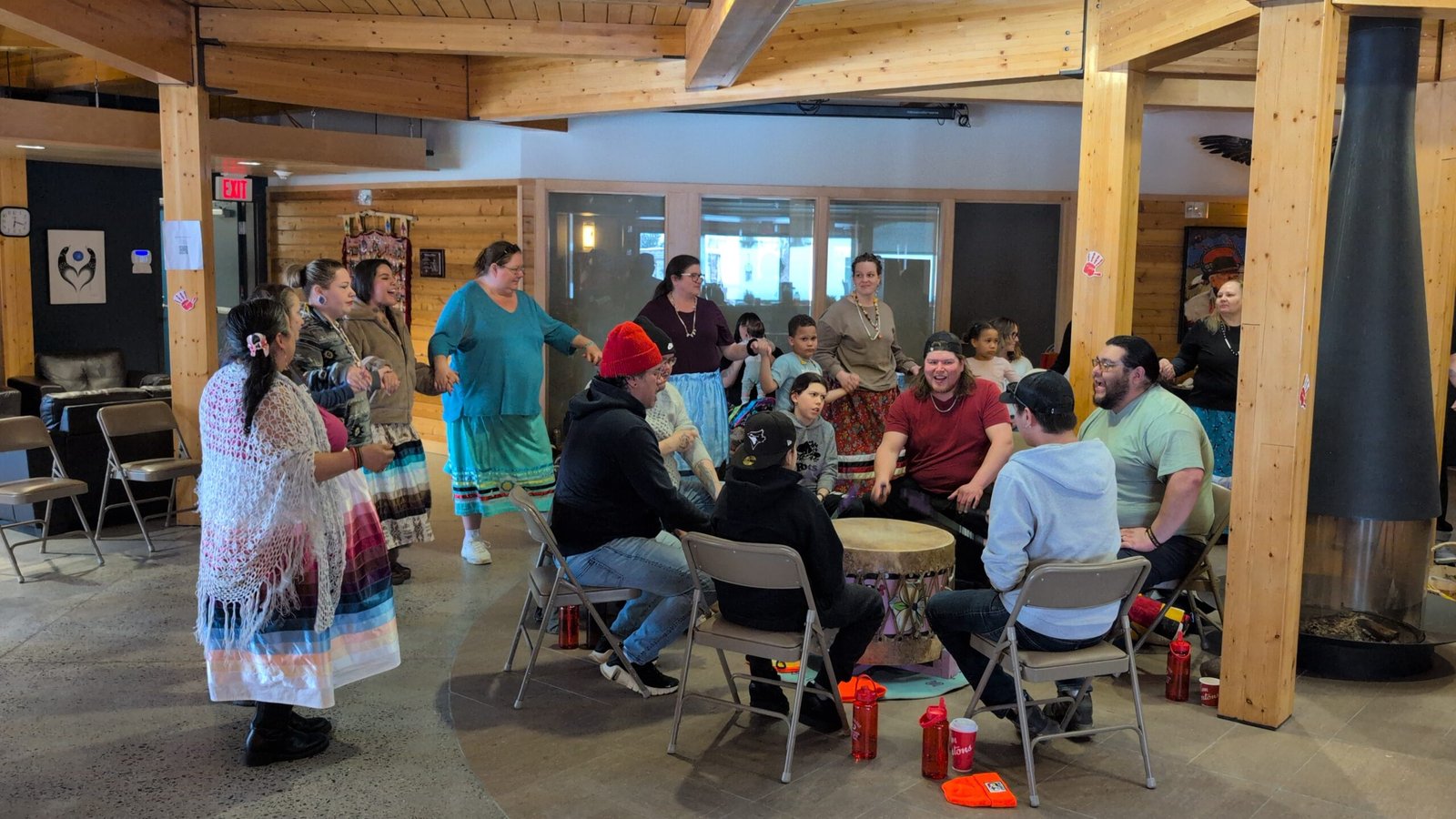
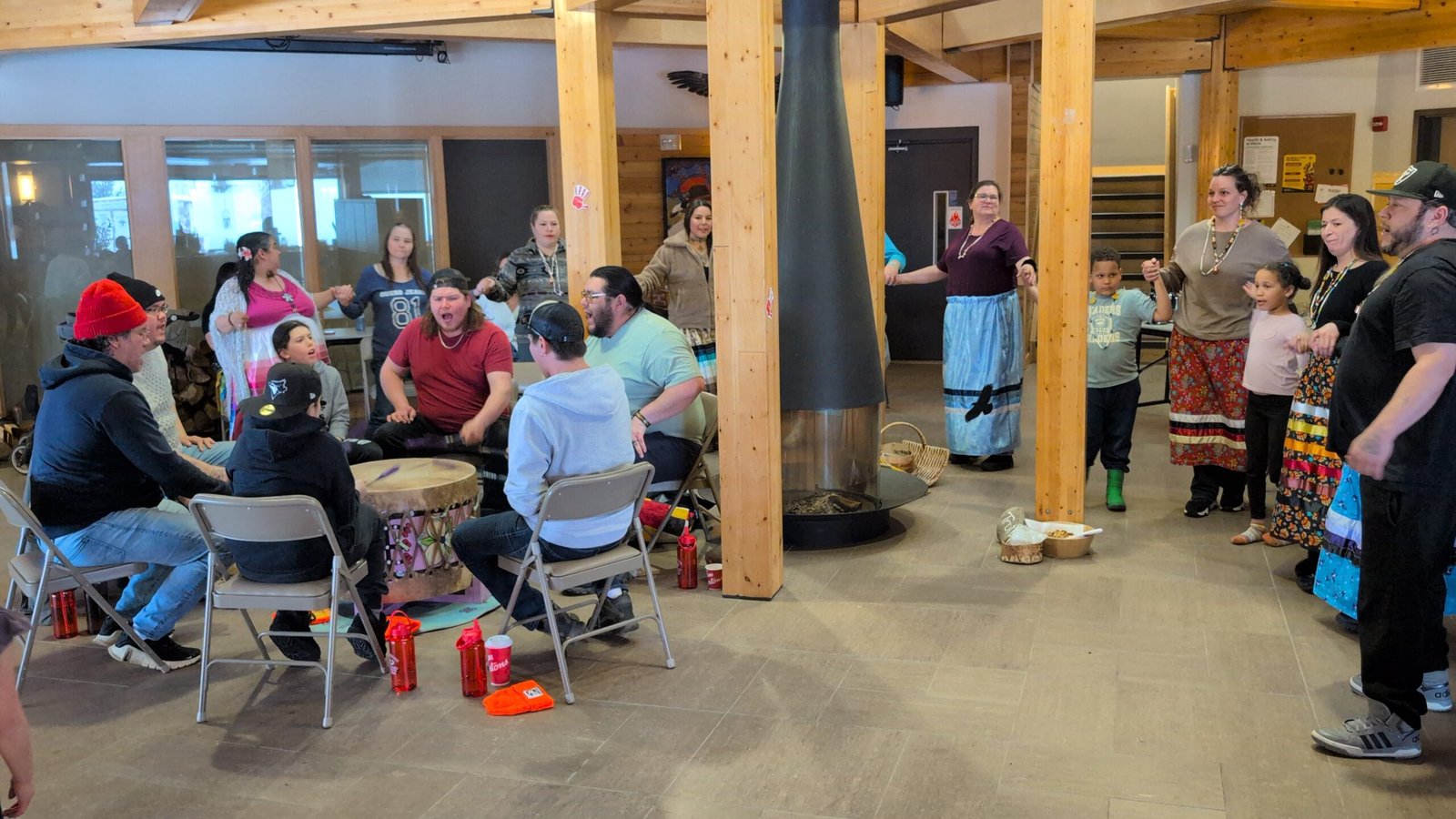
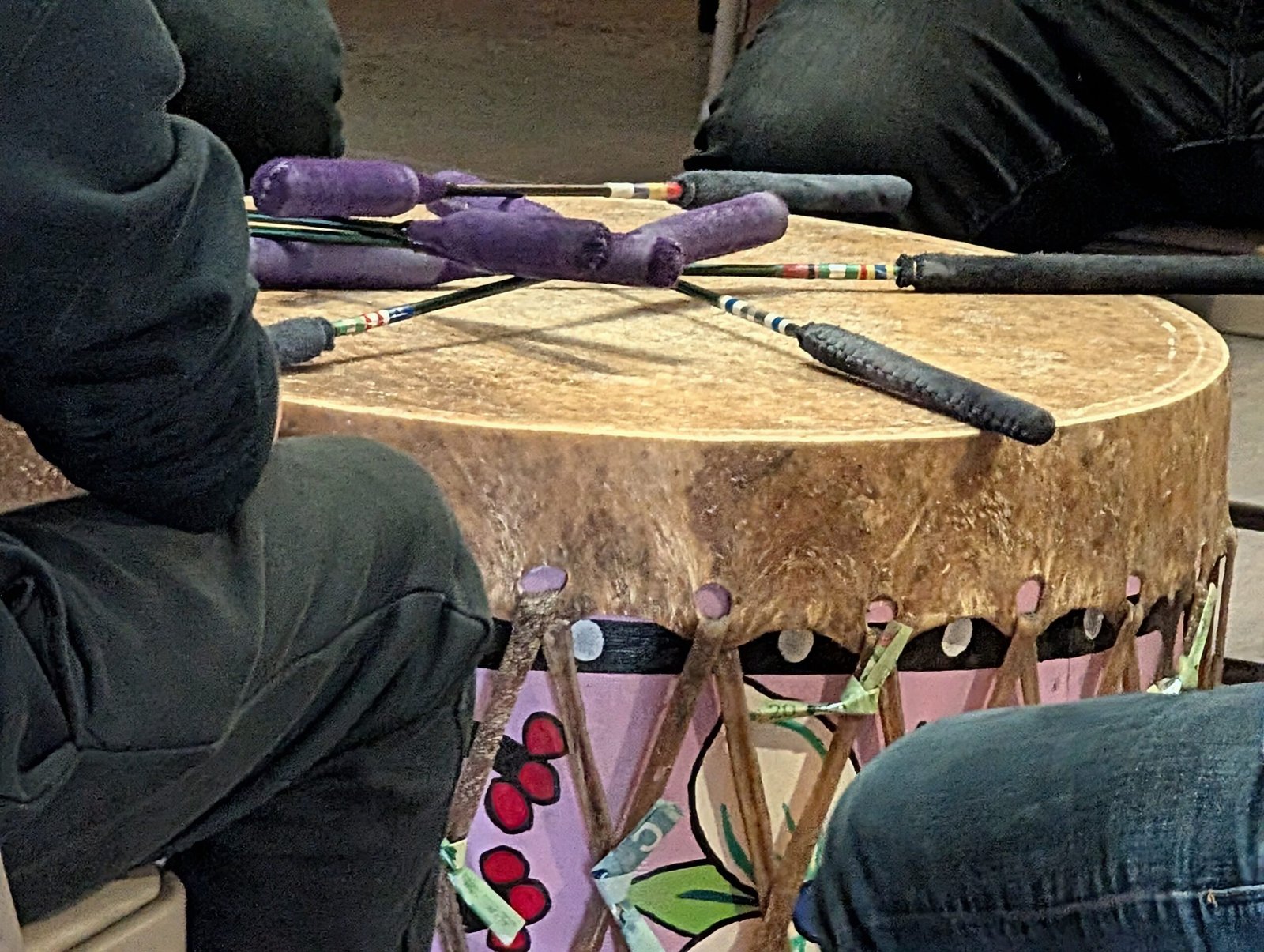
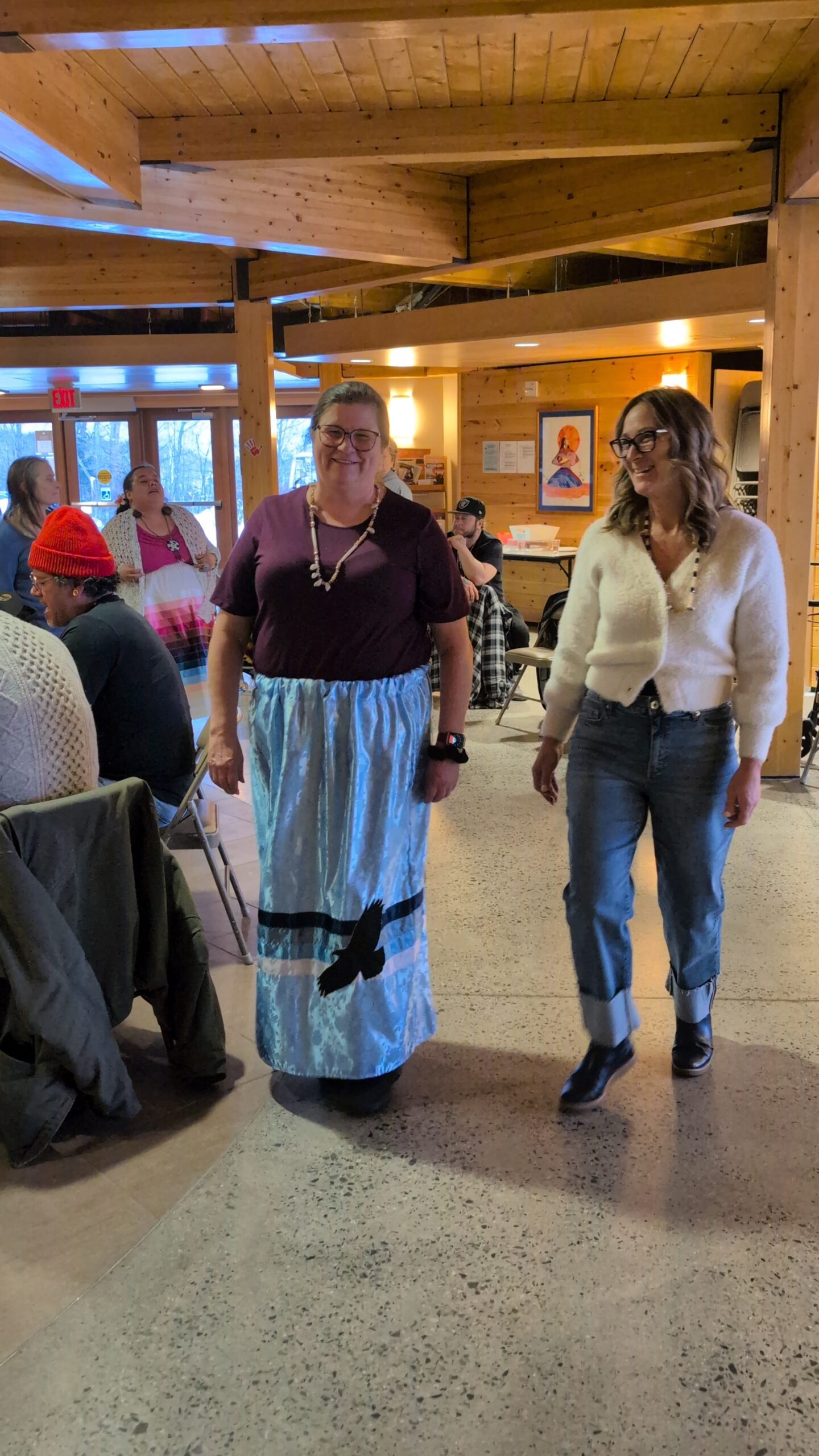
Ziigwang Mshkikiikeng concluded with a Drum Social led by the Juniper Singers, who shared songs, stories, and teachings with participants. The evening brought together students, families, facilitators, and staff, and ended with a round dance; a cathartic expression of connection, joy, and community.
AEI extends heartfelt thanks to all participants who attended, to the facilitators and singers who generously shared their knowledge and skills, and to the AEI staff whose care, coordination, and commitment made Ziigwang Mshkikiikeng possible.